When travelers compare overwater bungalows vs beach villas, most assume the bungalow is automatically the upgrade. It is the iconic image, after all: a thatched roof, a private deck, and turquoise water below. But the pricier choice often delivers less space and less convenience than a beach villa, and many guests only realize this after paying a premium for it.
The numbers tell part of the story. Overwater bungalows typically cost 30-80% more than comparable beach villas at the same resort, yet most span just 50-110 square meters, often smaller than entry-level beach villas. Add in ladder access instead of a sandy shore, and the trade-offs become clear. In this article, we break down what you actually get in each category, why beach villas often win on space and comfort, what drives the price gap, when to book, and how to decide before you pay the premium.
What You Actually Get in an Overwater Bungalow
The core appeal of an overwater bungalow comes down to one thing: the water is directly beneath you. Most designs give you a private deck with a ladder or set of steps leading straight into the lagoon, typically dropping you into water around 2-4 meters deep. You can roll out of bed, walk a few meters and be swimming before breakfast, without ever touching sand or walking to a beach entry point.
Inside, expectations should be calibrated carefully. Most overwater bungalows span 50-110 square meters, which is comfortable for two people but often smaller than an entry-level beach villa at the same resort. The layout usually centers on the bed facing a large window or sliding doors toward the ocean, with the deck doing much of the living-space work. Glass floor panels, outdoor showers and sun loungers are common features, though you should check the specific resort’s floor plan rather than assume all three come standard.
Privacy is generally excellent. Bungalows sit on stilts over the water, separated from the main island and its foot traffic. The main exception is your neighbors along the same jetty: depending on the resort’s layout, adjacent bungalows can be close enough that conversation carries, so deck positioning matters if that concerns you.
The trade-off is simple: you give up a sandy beach at your doorstep in exchange for water below you. If your ideal day involves alternating between loungers and swims, that works well. If you want to read on the shore, walk along a beach or let kids dig in the sand, you will need to head back to the island each time.
- Ladder entry takes some getting used to. Swim-up access usually means 3-5 steps down a ladder into open lagoon water, not a gradual sandy slope, so entering and exiting is more deliberate than wading from a shore.
- Water depth under the deck varies by tide. The 2-4 meter drop generally means you can swim or float comfortably below your deck, but shallower spots at low tide may make snorkeling off the deck less appealing than it looks in photos.
- Outdoor showers are semi-open by design. They typically face the lagoon with partial screening, which feels liberating for most guests but is worth knowing about if you value full enclosure.
- Jetty walks become part of your routine. Reaching your bungalow usually involves walking the resort’s jetty from the main island, so meals, spa visits and activities all start with that walk rather than stepping outside onto sand.
- Glass floor panels are a feature, not a guarantee. Some bungalows have them over a section of the floor, others skip them entirely, so confirm with the resort if viewing fish from your living room is a priority.
Why a Beach Villa Often Wins on Space and Comfort
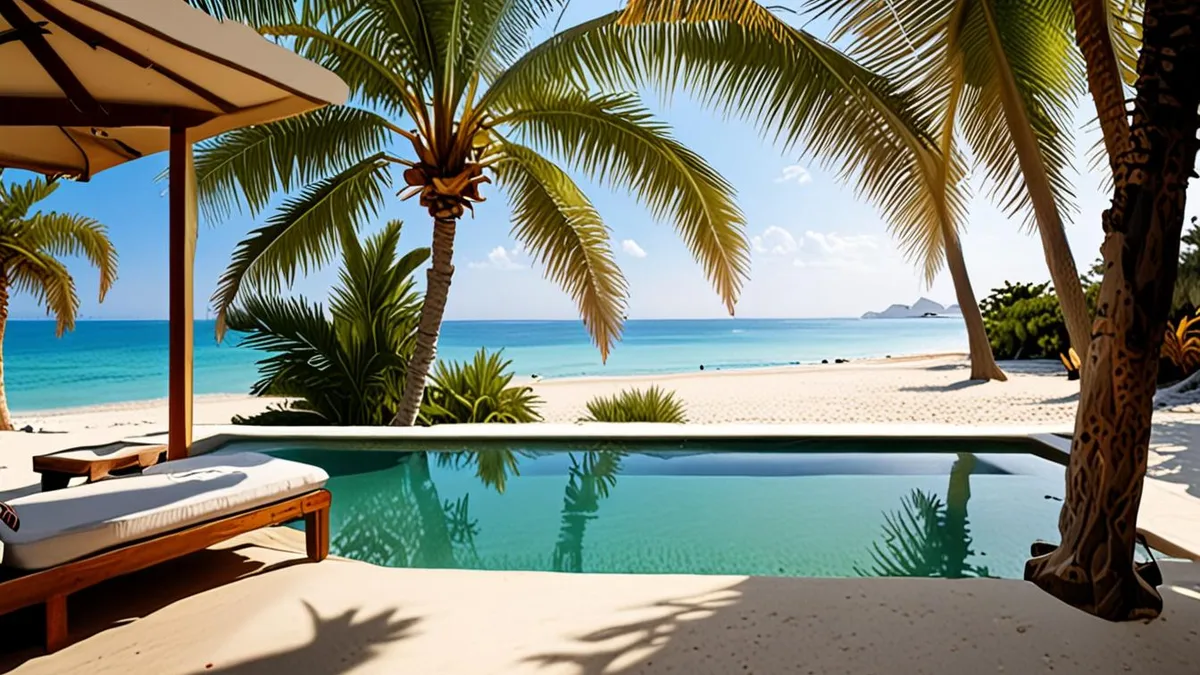
Beach villas trade the drama of sleeping above the lagoon for something many travelers end up appreciating more: room to spread out. They typically sit just 20-80 meters from the shoreline, and their layouts often rival or beat overwater categories on square meters, with generous bedrooms, outdoor bathrooms, private gardens and frequently a private pool thrown in.
That proximity matters more than it sounds on paper. If you are traveling with small children, older parents or anyone who likes a midday nap, being steps from your door makes the day easier. Forgotten sunscreen, a second towel, a quick snack: all quick errands instead of a walk down a jetty. You can also come and go between the beach, the restaurant and your villa without planning around it.
Built for long beach days
A beach villa puts shade, loungers and soft sand right at your doorstep, which suits a full day by the water far better than a fixed deck over the lagoon. You can move between sun and shade, wade in and out, and settle in for hours without being confined to one platform.
Swimming can be a pleasant surprise too. Many guests find the lagoon entry over sand calmer and clearer than stepping off a ladder into deeper water, especially at low tide or for less confident swimmers. If your ideal day involves alternating between a lounger, a book and a gentle swim, the beach villa format usually delivers it with less effort and more comfort.
Price Gap and What Drives It
At most island resorts, expect overwater categories to run 30-80% above comparable beach villas. That premium can feel steep once you see the floor plans side by side, because overwater bungalows often span 50-110 square meters and can be smaller than an entry-level beach villa on the sand.
So what are you actually paying for? Novelty and views, mostly. The overwater premium buys the experience of stepping onto your deck with the lagoon below, not extra square meters or a better-equipped interior. In many cases the beach villa has the larger living area, a bigger outdoor space and more amenities for the money.
How to shrink the gap
Timing matters. Shoulder-season dates can narrow the price difference considerably, since overwater stock that commands peak-season rates becomes far more attainable when demand dips. If your dates are flexible, comparing the same two categories across a few different weeks often reveals an overwater upgrade that costs only slightly more than the beach villa would in high season.
Compare the true total
Before committing to either category, look past the nightly rate. Resort fees, transfer costs and mandatory extras can shift the math, and some resorts add category-specific charges or minimum-stay requirements on overwater stock. Read up on what resort fees really cover and how to budget for them so you can compare the full cost of each category, not just the headline price. A beach villa that looks cheaper per night can end up closer in total than you expect, and an overwater bungalow quoted at a modest premium can balloon once the add-ons land on your folio.
When to Book Each Category
Overwater bungalows are the scarcest rooms at any island resort, and scarcity shapes how you should book them. For peak season dates, most resorts see their overwater categories sell out 6-12 months ahead, while beach villas typically still have openings 3-6 months out. If your heart is set on a bungalow over the lagoon, book early and treat your dates as fixed.
Beach villas, by contrast, reward flexibility. Because inventory is larger and demand is a bit softer, you can often wait for flight deals or schedule changes without losing the room type you want. That flexibility alone has real value if your travel dates are not locked in yet.
Timing matters as much as category. Shoulder months often bring lower rates across the board, which can shrink the price gap between the two room types considerably. For a deeper look at seasonal patterns and booking windows, this guide on how to time your resort booking for lower rates breaks the strategy down further.
Before you commit, keep these booking tactics in mind:
- Target shoulder months for value: In many Indian Ocean and Pacific destinations, May-June and November fall between peak and off-peak seasons, often bringing softer rates and thinner crowds without fully unreliable weather.
- Watch for resort-wide promotions: Offers like stay-four-pay-three or free half-board usually apply across categories, while discounts limited specifically to overwater stock are rare because that inventory sells itself.
- Ask about waitlists: If your preferred overwater category shows sold out for your dates, some resorts keep a waitlist and will release rooms when plans change, so it costs nothing to ask.
- Book the refundable rate first: When reserving far ahead, a flexible rate lets you rebook if a promotion appears later, turning early planning into a price advantage rather than a risk.
Matching the Stay Type to Your Trip
The overwater premium makes the most sense for couples and honeymooners, who get the full romantic payoff of waking up over the lagoon. Two people paying for novelty, privacy and that glass-floor view is a fair trade. Families, on the other hand, usually fit beach villas better: more space, a garden for kids to run in, and sand at the doorstep instead of a ladder over open water.
Child policies matter more than most travelers realize. Many resorts restrict children under 12-16 in overwater sections for safety reasons, since the decks and lagoon access points are not designed with small kids in mind. Check the specific age rule for your resort before booking, because it varies widely and can quietly rule out your preferred category.
Water lovers should think twice as well. If your days revolve around snorkeling or diving, a beach villa near the house reef entry often beats a deck ladder, since you can gear up and slip into the water over sand whenever you like. And if your trip is all-inclusive, confirm which room categories the plan actually covers before assuming both qualify. Our comparison of all-inclusive versus a la carte resorts explains why the meal plan and the room category do not always line up neatly.
- Ask about connecting or adjacent beach villas: Some resorts place family units side by side on the beachfront, which solves the space problem that a single overwater bungalow cannot.
- Confirm supervised swimming rules: Even where children are allowed in overwater sections, resorts often require adult supervision at the deck ladder, which changes how freely kids can use the water.
- Check dive-center distance: A beach villa near the dive or snorkel center saves daily walks with gear, a practical perk that overwater jetties rarely offer.
- Verify meal-plan category limits: Some all-inclusive packages apply only to beach categories or add a surcharge for overwater rooms, so get the exact coverage in writing before you pay.
How to Choose Before You Pay the Premium
Before you commit to the higher category, a little homework goes a long way. The differences between resorts are bigger than most travelers expect, and the category name on the booking page tells you surprisingly little. Two resorts can use the same label for very different rooms, and photos on booking sites rarely show the full picture. A “deluxe overwater villa” at one property may feel cramped compared to an entry-level beach villa at another, even within the same price band. Work through these steps in order:
- Compare floor plans and deck photos, not just names. Layouts vary widely, so look at actual square meters and real guest photos rather than marketing labels. Check whether the deck faces sunrise or sunset, since that shapes when you will actually use it.
- Ask about jetty position. End-of-jetty bungalows offer the most privacy and often the best views, but they also mean the longest walk to your room, the restaurant and everything else. Mid-jetty positions trade some privacy for convenience, which matters more than you might think on a rainy afternoon.
- Decide where your days will center. If you picture yourself swimming off your deck and watching fish from the deck, the overwater premium pays off. If you want loungers, shade and easy trips back to the room, the beach around you matters more than the water below you.
- Run a full budget before committing. Include transfers, resort fees, taxes and any meal-plan extras for both categories. The gap between the two totals is often different from the headline room-rate gap, and sometimes smaller than you expected.
Doing this takes an hour at most, and it turns an emotional upgrade decision into a practical one. Email the resort directly with two or three specific questions rather than relying on the booking page, as reservations teams can usually confirm jetty position, deck orientation and exact floor plans on request. Travelers who skip these steps often discover after arrival that the room they paid extra for does not match how they actually spend their days. A short comparison now protects both your budget and your experience, and it makes the category you finally choose feel earned rather than gambled on.
The Bottom Line on Overwater Bungalows vs Beach Villas
So which one should you book? An overwater bungalow delivers novelty, privacy and that ladder-into-the-lagoon feeling, but it comes at a 30-80% premium and often with less space than a beach villa. Beach villas usually win on square meters, sandy doorstep access and family fit, which makes them the more practical pick for many trips.
Timing matters too. Overwater stock often sells out 6-12 months ahead for peak season, while beach villas stay available closer to your dates. In the end, the right choice depends on your trip style, budget and who is traveling, not on which category sounds more luxurious. If this helped you decide, leave a comment or share the article with a fellow traveler.