You want a romantic escape under canvas or glass, but most glamping listings look identical: the same styled photos, the same string lights, the same promise of a “one-of-a-kind” night in nature. It is hard to tell which one will actually feel intimate rather than just expensive, especially when you are booking from a distance and cannot see how close the neighboring units really are.
This guide to glamping for couples walks you through the decisions that matter. We will help you match the stay type to your style, judge how secluded a site truly is, pick the right season and booking window, decide which comfort features are worth paying for, set a realistic budget, and vet a site before you commit. Work through each part and you will end up with a shortlist of places that promise real romance, not just a good photograph.
Glamping for Couples: Matching the Stay Type to Your Style
The first decision shapes everything else: what kind of structure do you actually want to wake up in? For glamping for couples, the stay type sets the mood before you even unpack, so it is worth matching it to your style rather than booking whatever looks good in the photos.
Stargazing in a dome
Geodesic domes with skylights suit couples who want a modern, enclosed feel with the night sky overhead. Lying in bed and watching the stars through the window above you is the whole point, so check that the skylight is positioned over the sleeping area, not the entryway. Domes also insulate well, which makes them a strong pick outside high summer.
Classic canvas and elevated escapes
Safari tents and yurts deliver the classic under-canvas romance: soft walls, lantern light and the sound of the outdoors just beyond the fabric. That charm works best in warm months, when canvas feels airy rather than chilly. Treehouses and elevated cabins add a different kind of magic, with genuine seclusion and a sense of escape from the ground below, though they often sit at the top of the price range. If your trip is in the cooler months, A-frames and tiny cabins work year-round and pair beautifully with a wood stove, giving you a crackling fire to return to after a day outside.
Privacy and Setting: How Secluded Should You Be?
Nothing kills romance faster than hearing your neighbors’ playlist through the tent wall. Before you fall in love with a listing, work out how secluded the site really is, because privacy is the difference between an intimate escape and a campsite with nicer furniture.
Start with the layout. Check whether units are spaced apart or clustered around a shared fire pit and lodge; both can be lovely, but only one gives you a quiet evening for two. As a rule of thumb, sites 30+ minutes from the nearest town usually mean darker skies and quieter nights, since remote locations naturally attract fewer passersby. Waterfront, ridge-top and forest-edge settings also screen neighbors better than open meadows, where sound and sightlines travel freely. The season you visit changes the picture too, so it helps to think about timing alongside setting, as explained in this month-by-month guide to glamping seasons in the US.
When scanning listings, let the wording do some of the screening for you:
- Adults-only: these sites filter out family groups, which typically means quieter evenings around the fire and no early-morning activity near your unit.
- Private deck: a deck of your own gives you an outdoor space for morning coffee or evening wine without sharing it with other guests.
- Standalone unit: this phrasing usually signals a freestanding structure rather than a tent inside a larger compound, which often translates into better sound separation.
- Shared fire pit or lodge: spotting these terms tells you the site is social by design, so look elsewhere if your priority is time alone together.
Put those keywords together with the setting and layout, and you will have a fairly accurate picture of how private a stay will feel before you ever message the host.
Timing the Trip: Season and Booking Window
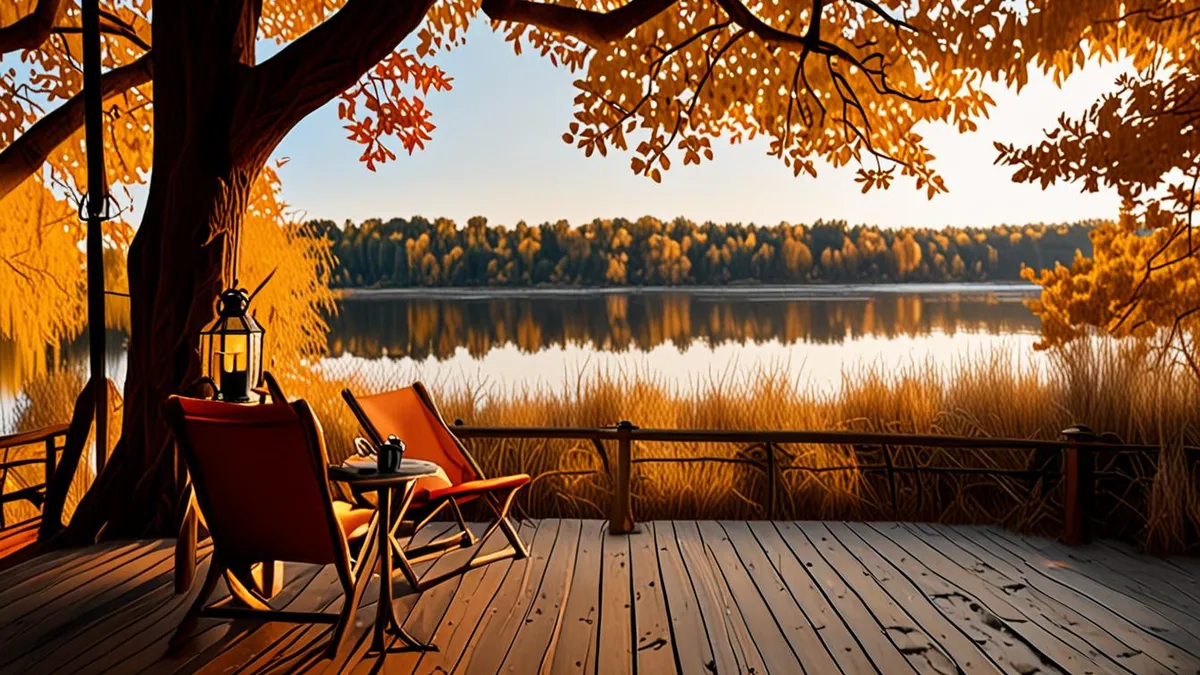
Even the most romantic site can disappoint if you visit at the wrong time. Season affects price, crowd levels and, crucially, whether your chosen structure actually suits the weather.
Picking your window
May through October is peak season in most of the US, which means the widest choice of sites and the most reliable weather for canvas stays. If you want the same experience for less, aim for the shoulder months of April–May and September–October, when prices often drop by 20–30% and the crowds thin out noticeably. Early fall is a sweet spot for couples: warm days, cool evenings and fire pits that finally feel inviting.
Booking ahead
For peak-season weekends, reserve 3–6 months ahead, because the most private and best-located units go first. Midweek trips offer far more flexibility, and many sites are quieter then too, which doubles down on the seclusion you are paying for.
Finally, match the season to the stay type. Canvas tents and yurts shine in warm months, while insulated domes and cabins are the right choice for cooler escapes, especially those with a wood stove. Deciding the season first narrows your structure options and saves you from booking a beautiful tent into a cold snap.
Comfort Features Worth Paying For
When you are paying a premium for a romantic escape, comfort is where the money should show up. Not every glamping site delivers the same level of ease, and the differences matter far more for a couple’s trip than for a family camping weekend. If you want a clear picture of how glamping compares to a standard campsite, this breakdown of glamping versus camping comfort and costs is a helpful starting point.
The feature that separates a true luxury site from a dressed-up campground is the bathroom situation. An en-suite bathroom means no midnight walks across a dark field and no queuing at a shared washhouse. For many couples, this single detail is the difference between a hotel-like escape and a campout with nicer furniture, so treat it as a non-negotiable if comfort is the priority.
Heating matters more than most listings admit. A wood stove or propane heater lets you travel in the shoulder months and even winter, when sites are quieter and often cheaper. And for a two-night stay, a small kitchenette or a simple breakfast service is far more useful than an on-site restaurant, which you may only use once anyway.
- Private hot tubs, saunas or outdoor baths: these are the most requested romantic add-ons, and they typically add $50–$150 per night. Check whether the tub is on your own deck or shared with other units before you count it as a perk.
- Wood stoves versus propane heaters: a wood stove adds atmosphere and a fire to tend together, but you will need a steady supply of seasoned firewood. Propane heats instantly with no effort, which suits couples who arrive late after a long drive.
- Kitchenette basics to look for: a small fridge, a kettle or coffee maker, and a two-burner cooktop cover most short-stay needs. Some sites add a welcome basket or breakfast delivery to your deck, which is a low-effort romantic touch.
- Blackout and bedding quality: skylights are wonderful for stargazing but rough for late risers. Ask whether curtains or blinds are provided, and whether bedding is a proper mattress with hotel-style linens rather than a camp pad.
Setting a Realistic Budget
Couples-focused glamping in the US spans a wide price range, and knowing where you want to sit within it makes the whole search easier. Treehouses and geodesic domes usually sit at the upper end because they are expensive to build and always in demand. Canvas tents and simple cabins tend to be more affordable, especially outside the busiest weeks.
The easiest lever you control is timing. Midweek dates in the quieter stretches of the season are the simplest way to reach the lower half of the price range, since hosts discount to fill units that would otherwise sit empty. Aim for the weeks just before and after peak summer, when rates often drop by a fifth or more and you get thinner crowds as a bonus. If your hearts are set on a peak-season weekend, book 3–6 months ahead to avoid paying last-minute premiums for whatever is left.
Decide your one splurge
The trap with romantic trips is stacking add-ons until the bill doubles. Before you book, agree on the single upgrade that matters most to you both, usually a private hot tub, and skip the rest. Extras like catered dinners, welcome hampers and guided experiences sound lovely but can each add a meaningful chunk to a two-night total.
A practical approach: pick your base rate, add your one splurge, then set that as your ceiling and filter listings accordingly. You will book faster and with far less second-guessing.
Vetting the Site Before You Book
Listings flatter themselves. Photos are shot at golden hour, descriptions lean on words like “secluded,” and star ratings average out the complaints that matter most to couples. Before you commit to a romantic stay, spend twenty minutes vetting the site properly. It is the cheapest insurance you will ever buy: a few careful questions now can save you from a weekend that looks nothing like the listing. The steps below, plus the broader advice in this guide to choosing the right glamping site for a first trip, will help you separate genuinely romantic sites from cleverly photographed ones.
- Read recent reviews with a filter, not a scorecard. Ignore the overall rating and search reviews for mentions of noise, privacy and cleanliness. A 4.8 average can still hide three recent complaints about thin walls or a highway you can hear all night. Pay special attention to reviews written by other couples, since they notice different things than families do.
- Study the photos like a detective. Look at how far apart the units appear, which way the decks face, and what is actually visible through the windows. A photo showing the neighboring tent’s deck tells you more than any paragraph of marketing copy.
- Message the host with two direct questions. Ask how far apart the units are in practice, and whether the hot tub or fire pit is private or shared. A host who answers clearly and quickly will usually run a well-managed site; vague answers are a warning sign worth taking seriously.
- Confirm exactly what is included. Linens, towels, firewood, cooking basics and parking can all be charged separately at some sites. Get the full list in writing so the advertised price matches what you actually pay at checkout.
Once you have honest answers to these four points, you can book with real confidence. You will know what the site actually offers, what you will actually pay, and whether the romance on the website survives contact with reality. The couples who end up disappointed are rarely the ones who asked too many questions before reserving. They are the ones who trusted a golden-hour photo and a well-written description without checking any of it.
Bringing It All Together
So how do you pick a romantic glamping site when every listing promises the same sunset views? Start with the stay type that fits your style as a couple, then prioritize privacy and setting over a long amenity list. Those two choices do more to determine whether a trip feels intimate than anything else.
From there, let your budget set the timing: aim for shoulder-season dates if cost leads, or book 3–6 months out for peak-season weekends. Spend on one meaningful comfort upgrade rather than spreading your money thin, vet the site through recent reviews and a couple of direct questions to the host, and book with confidence. If this helped you plan your own escape, leave a comment or share the article with someone you’d like to travel with.