Planning a lodge wedding can feel overwhelming from the start. You are juggling venue capacity, seasonal weather, catering rules and group logistics all at once, and every decision seems to affect the others. How many guests can the lodge actually sleep? What happens if it rains during your ceremony? These are the questions that trip up most couples.
This guide breaks the process into manageable steps. We will look at why a lodge wedding works so well for groups, how to choose the right venue and location, and which season and dates make the most sense. You will also find practical advice on budgeting and booking timelines, coordinating food, lodging and guest logistics, and planning entertainment and activities around the main event. By the end, you will have a clear checklist for wrapping up your lodge event plan with confidence.
Why a Lodge Wedding Works for Groups
The biggest advantage of a lodge wedding is that everything happens in one place. The ceremony, the reception and your guests’ rooms all sit on the same property, so there is no shuttling people between a church, a banquet hall and a hotel across town. Nobody gets lost, nobody arrives late because of traffic, and the celebration keeps its momentum from the first toast to the last dance.
Lodges also come with shared common spaces that do a lot of the work for you. Fire pits invite lingering conversations after dinner, dining halls become natural gathering points at breakfast, and decks give guests a place to catch sunset together. These informal moments between the formal events are often what people remember most.
Built for multi-day celebrations
A lodge wedding suits a longer format than a single-afternoon venue. You can open with a casual welcome dinner on Friday, hold the ceremony and reception on Saturday, and close with a relaxed farewell brunch on Sunday morning. Because guests are already staying on site, extending the celebration costs them no extra travel and gives everyone more time to actually connect.
Choosing the Right Lodge Venue and Location
Start by matching the setting to your style as a couple. Lakefront lodges give you water ceremonies, dock photos and a naturally romantic backdrop, while mountain lodges deliver dramatic peaks and crisp air. If a waterside setting appeals to you, browsing a guide to lakefront lodges in America for peaceful trips is a good way to see what different properties offer before you start narrowing things down.
Capacity is the next filter, and it matters more at lodges than at conventional venues. Most lodges host weddings between 20 and 120 guests, but small lodges often cap at 40-60, so check your headcount against both sleeping rooms and event space before you fall in love with a property. A lodge that fits your ceremony crowd may not have beds for everyone, and that gap changes your lodging plan quickly.
Whenever possible, visit in person. Walk the ceremony sites at the time of day you plan to marry, sit down in the dining space, and ask to see the indoor backup areas. If travel is not practical, request a video walkthrough and ask the coordinator to pan across each space slowly. Come prepared with questions like these:
- Ask how the indoor backup room is normally used, since a space that doubles as the dining hall may need a flip between ceremony and dinner.
- Confirm the lodge can host at least 80% of guests indoors if weather turns, and note whether that includes standing room or only seated capacity.
- Check cell coverage and Wi-Fi strength during your visit, especially at remote properties where guests may need to coordinate arrivals.
- Look at the distance between sleeping rooms and the ceremony site, since guests in dress shoes appreciate knowing whether the walk is short or steep.
Picking the Best Season and Dates
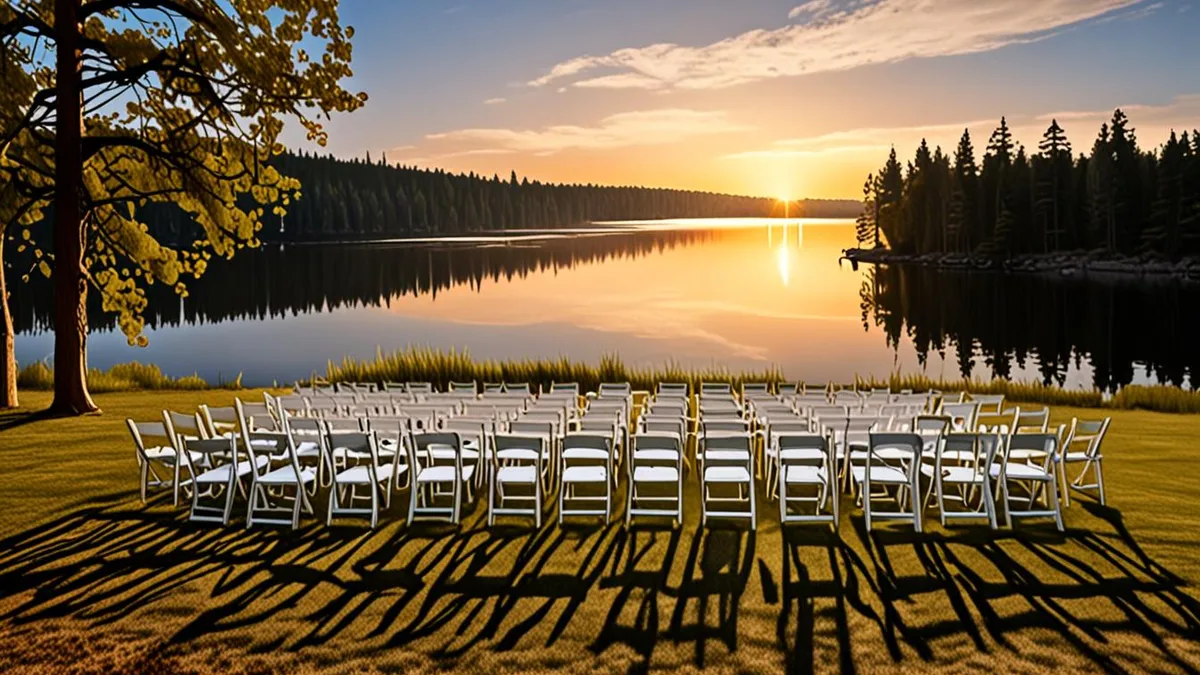
Season shapes everything at a lodge wedding, from the scenery in your photos to the price on your contract. At northern lodges, peak wedding season runs May to October, when trails are open and lakes are warm. Ski lodges work differently: they shine December to March, when snow-covered slopes and roaring fireplaces create a completely different but equally memorable atmosphere.
Why shoulder dates save money
If your budget has limits, aim for the edges of peak season. Shoulder months like May, early June, September and October often cut venue costs by 15-30%, and you still get pleasant weather at most properties. Early fall in particular combines colorful foliage with cooler temperatures that guests tend to appreciate. For a deeper look at how conditions change through the year, this guide to the best time of year to visit lodges by season and region is a helpful reference.
One more caution: avoid holiday weekends if you can. Lodge rates spike around major holidays, availability is tightest, and traveling guests often face higher flights and busier roads. A regular Saturday in a shoulder month usually gives you better pricing and a calmer experience for everyone.
Budgeting and Booking Timeline
A lodge wedding budget works differently from a traditional venue because you are paying for lodging, meals and event space in one package. That can make costs easier to predict, but only if you understand how lodges structure their group pricing before you sign anything. Some properties quote a flat site fee, others bundle everything into a per-person rate, and many use a mix of both. Ask for a sample quote from a recent group event so you can see how the numbers actually break down.
- Set a per-guest budget early. Lodge weddings typically run $150 to $400 per guest once you combine the venue, meals and lodging. Use that range to build a realistic total, then adjust upward or downward based on meal style and room type. A plated dinner with premium rooms lands near the top of the range, while buffet meals and shared cabins keep costs down.
- Book 12-18 months ahead. Popular summer Saturdays at scenic lodges are the first dates to disappear, often more than a year out. Earlier booking also gives you leverage when negotiating room blocks and minimum spends, and it leaves time to plan around rate changes.
- Plan for buyout or minimum-stay terms. Many lodges require a full-property buyout or a minimum stay of 2-3 nights for group events, so a weekend celebration may cost more than the wedding day itself suggests. Ask whether off-peak dates come with softer minimums.
- Get a written list of inclusions. Tables, chairs, linens and staffing vary widely between lodges. Some include everything; others charge separately for setup, cleanup and bar service. Compare quotes line by line and ask about service charges and gratuity policies, which can add a meaningful percentage to the final bill.
If you want a deeper walkthrough of rates, seasonal pricing and reservation strategies, the guide on how to book a lodge stay covers the booking process in detail. Reading it before you contact venues will help you ask sharper questions and spot hidden fees faster, especially when comparing packages that look similar on the surface but include very different services underneath.
Coordinating Food, Lodging and Guest Logistics
Food and lodging logistics make or break a lodge event, and they work differently than at a hotel or banquet hall. Many lodges operate their own kitchens and require in-house dining for groups, while others maintain a short list of approved outside caterers. Ask about this early in your venue search, because it shapes your menu, your budget and your caterer choices all at once.
Room blocks deserve the same early attention. Remote lodges sometimes run limited check-in windows, and a group of guests arriving at scattered times can create real problems if staff cannot accommodate them. Collect arrival times from your guest list and pass them to the lodge so everyone can be checked in smoothly.
A shared itinerary solves most guest confusion before it starts. Consider including these details when you build yours:
- Meal times and locations with a note about which dinners are formal and which are casual, so guests pack appropriately.
- Activity sign-up deadlines for things like guided hikes or canoe trips, since lodges often need headcounts days in advance.
- Downtime blocks clearly marked as free time, which helps older relatives and parents with young children plan their energy.
Send the itinerary with your invitations or save-the-dates, then post a printed copy at the lodge entrance. Guests of all ages relax when they know exactly what is coming next.
Entertainment and Activities Around the Event
One of the best reasons to choose a lodge is the time between formal events. Instead of guests scattering to separate hotels, everyone stays together, and that creates natural openings for shared activities. Build a guided hike, canoeing outing or campfire evening into the schedule, and the celebration stretches across the whole weekend rather than compressing into a single evening.
Give guests a reason to stay longer
If you want the weekend to feel like a mini vacation, choose a lodge near a national park or an established trail network. Guests who love the outdoors can tack on an extra day or two of exploring, and you get photos with dramatic scenery as a bonus. Check what park entrances, trailheads or lake access points sit within a short drive before you book.
End the weekend gently
A relaxed day-after brunch or a low-key group outing is the simplest way to thank guests who traveled far. Keep it casual: coffee, a cold breakfast spread and no formal program. It gives everyone a final chance to talk, lets out-of-town visitors say proper goodbyes and softens the Sunday-morning checkout rush. Many couples find this unhurried morning becomes their favorite memory of the whole event, precisely because nothing is scheduled beyond it.
Wrapping Up Your Lodge Event Plan
A lodge wedding or group event can feel overwhelming at first, because you are juggling venue capacity, seasons, catering and guest logistics all at once. The good news is that these pieces fit together naturally when you handle them early. A lodge wedding succeeds when venue, season, budget and guest logistics align from the start, so lock in your priorities before signing anything.
Two habits make the whole process easier. Booking 12-18 months out and choosing shoulder dates keeps costs manageable, even at sought-after properties. And since one property hosts your ceremony, meals and lodging, the celebration feels effortless for everyone, with no shuttles or scattered schedules to worry about. If this guide helped you start planning, leave a comment or share it with someone else getting ready to book their lodge.