You know you want a memorable stay, but you can’t tell whether a lodge or a resort will actually match your trip style, budget and plans. It’s a common dilemma: both promise comfort and great locations, yet they deliver completely different experiences. The lodge vs resort question matters more than most travelers realize, because the wrong pick can leave you paying for amenities you never use or missing the ones you needed.
This guide breaks down the real differences between the two, from setting and atmosphere to meals, amenities and total cost. You’ll see what you actually pay at each, which stay type fits hiking trips, family beach weeks or romantic getaways, and how far in advance to book. By the end, you’ll be able to match your stay to how you want to spend your days, not just how a property looks in photos.
Lodge vs Resort: The Core Differences at a Glance
At first glance, lodges and resorts can look similar in photos: both promise comfort, food and a beautiful setting. The differences show up in scale, design and where the experience actually happens.
What defines a lodge
Lodges are smaller, nature-focused properties, typically with 20 to 60 rooms. They’re often built with timber and stone, and they sit in scenic settings like forest edges, lake shores or mountain valleys. The architecture usually blends into the landscape rather than standing out from it.
What defines a resort
Resorts are larger, self-contained properties, sometimes exceeding 300 rooms. They come with pools, spas and multiple restaurants on site, and everything is designed so guests can enjoy a full vacation without leaving the grounds.
The simplest way to frame it: lodges center the destination outside the door, while resorts center the property itself as the destination. At a lodge, the trailhead or lake is the main attraction and the building is your base. At a resort, the property is the attraction, and the surrounding area is optional.
Setting and Atmosphere: Where Each Stay Type Shines
Setting is where the lodge vs resort difference becomes obvious the moment you step outside your room. Lodges put you close to the wild stuff: national parks, lakes, mountains and hiking trails usually sit minutes away from your door. You wake up to birdsong or a valley view, and you can often start a hike before breakfast.
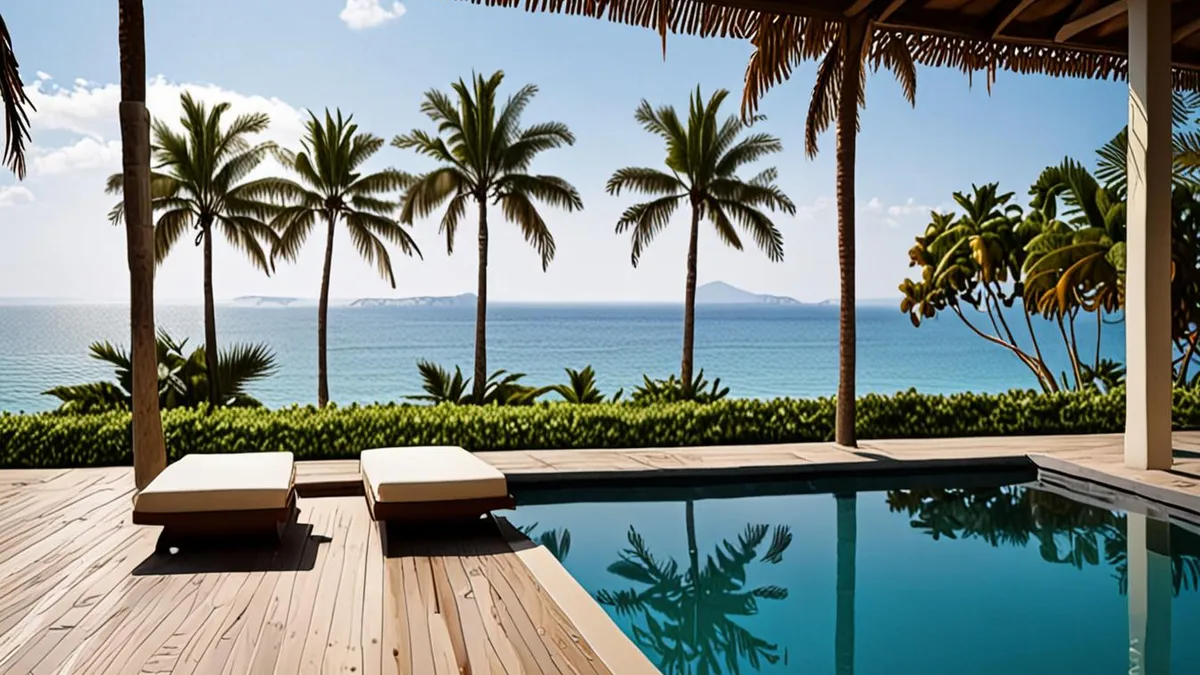
Resorts, on the other hand, are built around beachfront locations or curated grounds. You rarely need to leave the property, because everything from the water to the loungers to the bars is right there. The setting is designed for staying put rather than heading out.
Who each setting suits
Lodges suit travelers seeking quiet and local character. The pace is slower, the staff often know the area intimately, and the atmosphere feels tied to the landscape. If that sounds like your kind of trip, browsing lodges near America’s national parks is a good starting point.
Resorts suit travelers who want polish and predictability. You know what you’re getting: manicured grounds, reliable service and a familiar rhythm to each day. Neither approach is better; they simply serve different moods and trip styles.
Amenities, Meals and Daily Experience Compared
The daily experience at a lodge and a resort differs more than the room photos suggest. Lodges commonly include breakfast and dinner in the rate, often served in a single dining room where guests share tables and stories. Guided activities like hikes or canoe trips are usually organized by the lodge itself, led by people who know the terrain.
Resorts offer multiple restaurants, pools, gyms, kids’ clubs and spas, but meals are usually paid separately unless you book an all-inclusive package. The range of options is wider, but the experience is less personal: you’re one of hundreds of guests rather than one of a few dozen.
A useful way to think about it: expect fewer but more personal services at a lodge, and more options but less intimacy at a resort. If you want a fuller picture of what a lodge stay involves day to day, this overview of lodge amenities, meals and activities walks through the details.
Details that shape your day
- Dinner timing: Lodge kitchens often serve one fixed dinner seating, so your day is structured around it rather than the other way around.
- Activity sign-ups: Resort activities like water sports or fitness classes typically run on published schedules you join on a whim, while lodge excursions often need to be reserved with a guide in advance.
- Evening entertainment: Resorts may offer shows, bars and organized events after dark, whereas a lodge evening usually means a fire, a book and conversation.
- Housekeeping rhythm: Smaller lodges may offer daily housekeeping with a lighter touch, such as flexible timing, compared with the standardized full-service routine of a large resort.
Cost Breakdown: What You Actually Pay at Each
Sticker prices can be misleading when you compare lodges and resorts side by side. A lodge rate of $150–$400 per night usually bundles meals into the price, most commonly breakfast and dinner under a modified American plan. A resort room starting around $250 and climbing past $600 in high season often covers only the bed, with dining billed separately across several à la carte restaurants.
The fees that sneak onto the bill
Resorts frequently add a daily resort fee of $25–$50 on top of the room rate, covering everything from pool towels to gym access whether you use those facilities or not. All-inclusive packages look expensive at first glance, typically costing 20–40% more than room-only rates, but they can work out cheaper once you add up what you would otherwise spend on meals, drinks and activities at a resort.
The smartest move is to compare the total trip cost rather than the nightly rate. Add up the room, meals, mandatory fees and paid activities for each option over your full stay. A $300 lodge with two meals included may end up cheaper than a $250 resort room that quietly grows by $50 a day in fees and another $100 in dinners. If you want a deeper walkthrough of budgeting a lodge trip, this guide on how to book a lodge stay, from costs to seasons breaks the process down step by step.
Which Stay Type Fits Your Trip Style
The right stay type depends less on the property and more on what you plan to do each day. Hiking, wildlife and nature trips favor lodges, and shoulder seasons like May–June and September–October make them even better value: trails are quieter, wildlife viewing is often at its best, and small lodges fill up less quickly than in peak summer.
Family beach weeks and big celebration trips are resort territory. Kids’ clubs, pools and organized activities keep children occupied for hours, which matters when parents want an actual vacation rather than a logistics job. For milestone birthdays, anniversaries or reunions, having multiple restaurants and entertainment on site removes the need to coordinate a large group off property.
The classic split comes down to couples versus groups. Here’s how the two trip styles tend to sort out:
- Couples who want quiet: a 20–60 room lodge means fewer neighbors, communal dinners with other guests who chose the same remote spot, and evenings shaped by the landscape rather than a schedule of shows.
- Groups who want options: a resort’s multiple pools, bars and evening entertainment mean a party of ten with different energy levels can each find their own pace without anyone compromising.
- Mixed-age family trips: resorts handle grandparents, teenagers and toddlers in one property, while a lodge’s guided hikes and intimate dining suit families whose kids are old enough for the trail.
If your days revolve around the outdoors, a lodge fits. If your days revolve around the property itself, book the resort.
How to Decide and When to Book
Timing matters more for lodges than most travelers expect, because small properties simply run out of rooms. A lodge with 20–60 rooms has far less inventory than a 300-room resort, so the same wave of demand clears it out much faster. That also means you have less flexibility once the calendar fills: your preferred room type, view or bed configuration may already be gone even when the booking site still shows availability. A few simple steps will get you the right property at the right price.
- Count back from your travel dates. For peak season trips, book lodges 3–6 months ahead so you can still choose room types and dates; resorts, with their larger inventory, generally need 2–4 months of lead time.
- Read the minimum-stay rules before you fall in love with a property. All-inclusive resorts often require stays of 2–3 nights in high season, which can force you to pad your itinerary or pick a different property. Check these terms before committing, not after.
- Map your itinerary against the property. If you plan daily excursions to parks, trails or towns, a lodge base near the action beats paying resort rates for a pool you’ll barely use.
- Check what the rate actually includes before comparing prices. A lodge rate with breakfast and dinner included competes differently against a resort room that excludes all dining, so line up the totals, not just the nightly figures.
Do this before you book anything, and the lodge-versus-resort question usually answers itself. If your dates are fixed and fall in high season, start with the lodge options first, since those windows close earliest. If your schedule is flexible, you can afford to wait for deals at larger properties. Either way, the property that matches your itinerary and your booking window is almost always the right one, and the one that merely photographs well rarely is. A short phone call or email to confirm availability and inclusions can save you from an expensive surprise at check-in.
Wrapping Up: Lodge or Resort for Your Next Trip
So which one fits your trip? If your days revolve around trails, wildlife and quiet evenings, a lodge wins on nature access, included meals and intimate scale. If you want pools, dining variety and family facilities all in one place, a resort delivers.
Three factors settle the lodge vs resort question: total cost, trip style and booking lead time. Compare what you’ll actually pay across the whole stay, match the property to how you plan to spend your days, and book early enough for the smaller inventory. The right choice isn’t the one that photographs best — it’s the one that matches how you want to spend your time. If this helped you decide, leave a comment or share the article with a travel partner.