You have one free weekend, a craving for fresh air and a bed that is not a sleeping pad on rocky ground. The idea of a luxury camping escape sounds perfect, but between choosing a site, figuring out what to pack and making the most of limited time, planning a two-night glamping weekend can feel more complicated than it should. Book the wrong site or over-schedule your Saturday, and the whole trip feels rushed instead of restful.
This guide walks you through the entire process, step by step. You will learn why two nights is the ideal length for a weekend escape, how to pick dates and a destination that fit your schedule, and how to choose between a safari tent, yurt, cabin or dome. We will also cover when to book, what to pack for two nights and how to build a relaxed itinerary that leaves room for lazy mornings and campfire evenings. By the end, you will have everything you need to plan a glamping weekend that actually feels like a break.
Why a Two-Night Glamping Weekend Is the Sweet Spot
If you have ever tried to squeeze a camping trip into a single night, you know the problem: by the time the tent is up and dinner is cooked, it is time to pack up again. Two nights solve that. You arrive Friday evening, wake up Saturday with zero setup to do, and enjoy one full, unhurried day on-site before a relaxed Sunday departure. Best of all, you do not need to burn a single vacation day to make it happen.
There is also a practical reason two nights works so well: most glamping sites require a minimum 2-night stay on weekends. Rather than fighting that rule, a Friday-to-Sunday booking fits naturally with how these properties operate, and you will often find it easier to book than a one-night stay.
What a Two-Night Glamping Weekend Costs
Budget expectations matter before you fall in love with a site. A typical two-night glamping weekend runs $300-800 total for two people, including the stay. Where you land in that range depends on the region, the type of structure and whether meals or extras are included. Knowing this number up front helps you filter listings quickly.
Setting the Right Comfort Expectations
Glamping covers a wide spectrum. Some safari tents are essentially furnished canvas rooms with real beds and electricity; others are a step up from a tent with little more than a mattress and a shared bathhouse. Before booking, compare what is offered against traditional camping: do you get heating, linens, a private bathroom, a kitchen setup? Reading the amenities list carefully is the difference between a cozy escape and a camping trip with better views.
Pick Your Dates and Destination
Timing is the biggest factor in whether your glamping weekend feels effortless or like a battle for a reservation. In most of the US, peak glamping season runs May through October, and that window gives you the widest site availability and the most reliable weather. Book within it and you can expect warm evenings, dry trails and fire pits you will actually want to sit around.
Next, think about distance. Keep the drive under 3 hours so that a Friday evening arrival still feels relaxed rather than like a second commute. A site three hours away means leaving work slightly early, grabbing a quick dinner and still settling in by the fire before bed. Push past that, and Friday disappears into the windshield.
For better rates and quieter surroundings, target the shoulder-season months. May, September and early October often mean lower rates and fewer crowds, while still offering pleasant conditions in many regions. To match the right month to the right destination, it helps to consult a month-by-month guide to glamping seasons in the US, since the ideal window in the desert looks very different from the mountains or the coast.
A few regional patterns worth knowing as you narrow down dates:
- Desert destinations like the Southwest are at their best in spring and fall; summer heat can make canvas structures uncomfortable, so aim for the edges of the season.
- Mountain sites often have a shorter comfortable window, with chilly nights even in midsummer, so pack for temperature swings no matter the month.
- Coastal areas tend to be breezy and mild through summer but busier in July and August, making September an especially good value.
- Fall foliage regions in the Northeast and upper Midwest peak for a short stretch in early-to-mid October, and those weekends book out fastest of all.
Choose the Right Site and Stay Type
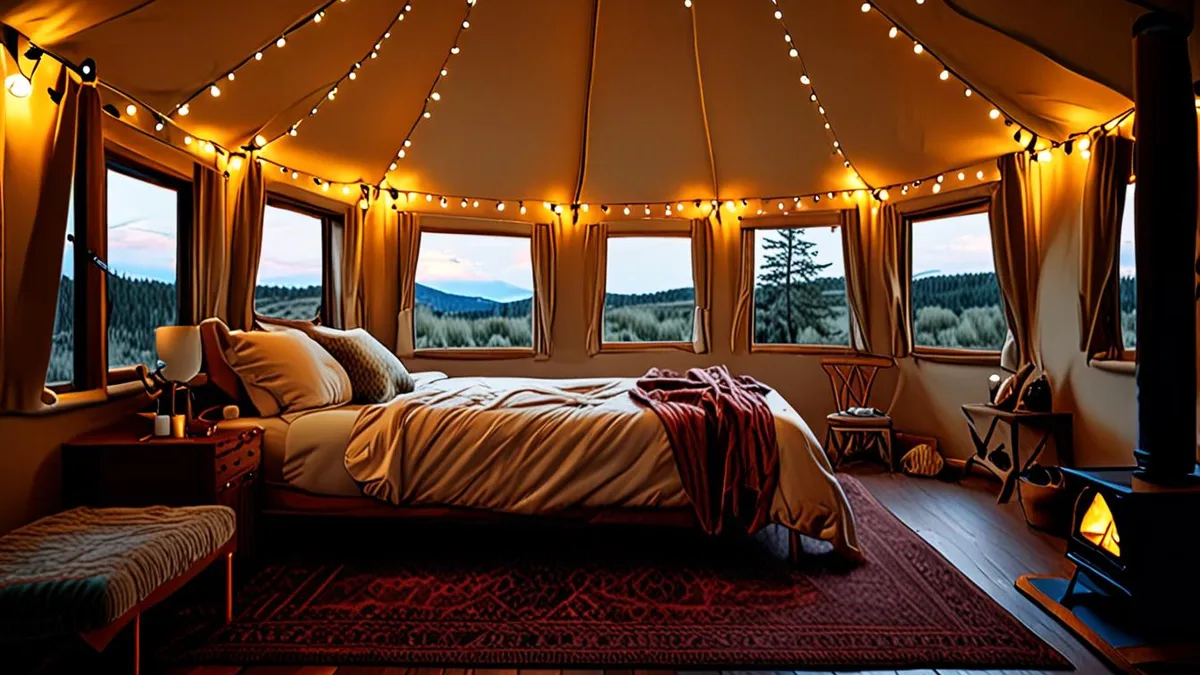
Not all glamping stays are created equal, and the structure you choose shapes the whole experience. Safari tents offer a canvas-walled feel with real furniture, yurts are round and cozy with a distinctive atmosphere, and cabins, domes and A-frames generally provide the most solid, weatherproof shelter. Your choice comes down to comfort needs: if you want the camping feel with soft edges, go safari tent or yurt; if you want something closer to a boutique hotel in the woods, a cabin or dome is the safer bet.
Once you have a structure in mind, scrutinize the amenities before committing. Does the unit have a private bathroom, or do you share a bathhouse? Is there heating for chilly nights, a kitchenette for simple meals, and enough cell coverage to stay reachable if you need to? These four details matter more than almost anything else on the listing page.
Reviews are your best filter. Read recent ones specifically for cleanliness, host responsiveness and noise levels, since a beautiful tent next to a busy road or a slow-to-respond host can undo the whole restful vibe. First-timers should prioritize established sites with on-site hosts, so there is someone to help if the heater fails or the firewood runs out. For a deeper walkthrough of this decision, this guide to choosing the right glamping site for your first trip covers the vetting process in detail.
Beyond the basics, a few less obvious details deserve a spot on your checklist:
- Water situation: confirm whether the unit has running water or you will be carrying jugs, which changes how you plan cooking and cleanup.
- Power access: some tents have outlets and lighting; others rely on solar or lanterns, which affects charging phones and running a cooler.
- Wildlife storage: ask whether food needs to be stored in a locked box or vehicle, common in bear country and worth knowing before you pack the cooler.
- Fire policy: some sites provide firewood and fire pits, while others ban open flames during dry spells, so check what is allowed if a campfire is central to your plan.
Book at the Right Time
Glamping sites are small, and the most popular tents and cabins book out fast. Unlike a big hotel with dozens of rooms, a site might only have six units, so a single weekend can sell out well before you start thinking about packing. Timing your reservation right makes the difference between getting the safari tent you want and settling for whatever is left. The good news is that the booking process is simple once you know the rhythm: lock your dates early, choose a stay window that fits the weekend, and read the fine print before you pay. A little planning here protects the whole trip, because a glamping weekend lives or dies on the quality of the unit and the ease of your arrival. Here is how to book smart.
- Reserve 2-3 months ahead for peak-season weekends. Most sites run their busiest season from May through October, and weekend dates in those months go first. Booking two to three months out gives you real choice in unit type and position on the property.
- Book a Friday-to-Sunday stay. This is the classic two-night rhythm: you arrive after work Friday, get a full day on-site Saturday, and head home Sunday afternoon. Many sites require a two-night minimum on weekends anyway, so this fits naturally.
- Read the cancellation and weather-flexibility terms before you pay. Policies vary widely between hosts. Some offer refunds up to a set window, others issue credit for a future stay, and a few are strict. If rain is a real risk in your chosen month, favor hosts with flexible rebooking options.
- Confirm check-in and check-out windows. Ask what time you can arrive Friday and when you need to leave Sunday. If check-in starts at a time you cannot reach before dark, plan a simple no-cook dinner for your first night.
Once your dates are locked, set a reminder to message the host a few days before arrival. A quick confirmation of access details, parking and any firewood availability saves you from surprises at the gate and lets you start relaxing the moment you arrive. It is also a good moment to ask about anything the listing does not cover, such as whether the fire pit has cooking grates or whether early check-in might be possible on a quiet Friday. Hosts generally appreciate the heads-up, and you arrive with fewer unknowns. With the booking confirmed and logistics settled, the only thing left to do is pack and count down the days to your first evening by the fire.
Pack Smart for Two Nights
Packing for glamping sits somewhere between a hotel stay and a camping trip, and the biggest mistake first-timers make is guessing wrong about what the site provides. Many safari tents and yurts come with real beds, linens and towels, while others expect you to bring a sleeping bag. The fix is simple: email the host before you pack and get a clear list of what is included, then build your bag around it.
Clothing is where most people overpack. Days can be warm while nights drop noticeably cooler, especially in spring and fall, so layers beat bulky single-purpose items. Sturdy shoes matter more than a second pair of sandals, since even luxury sites usually involve gravel paths, grass and uneven ground between your tent and the bathroom.
- Layered clothing: think t-shirts for the day, a fleece or hoodie for the evening fire, and a light rain shell in case weather turns. One duffel is usually enough for two nights.
- Headlamps or lanterns: even sites with string lights have dark stretches between the tent and the facilities, and you will want hands-free light for nighttime trips.
- A cooler with two days of easy meals: plan food that needs minimal cooking, like pre-made dinners, breakfast basics and snacks, plus reusable water bottles so you are not buying cases of plastic.
- Bedding and towels: skip these entirely if the site provides linens, but confirm in writing before you leave home so you are not stuck sleeping on a bare mattress.
To make sure nothing essential gets left behind, work through a complete glamping packing checklist as you pack. It takes ten minutes and reliably catches the small items, like phone chargers and bug spray, that are easy to forget.
Build a Relaxed Itinerary
The whole point of a two-night glamping trip is that it feels like a break, not a schedule. You have one full day on-site, and the temptation is to cram it with activities until it resembles a workday with better scenery. A good plan does the opposite: it gives each day a single focus and leaves plenty of room to simply sit by the fire and do nothing at all. Think of it as a loose skeleton rather than an itinerary, with one anchor point per day and everything else left flexible.
- Friday: arrive, settle in and keep dinner simple. Get to the site in the evening, unpack the essentials, and cook something easy or bring a no-cook meal. Then let the night be about the fire, the stars and switching off, not about organizing tomorrow.
- Saturday: plan one local activity, then come back slow. Pick a single outing, whether that is a nearby hike, a kayak rental or a wander through a small town, and give it the middle of the day. Return in the late afternoon for a long dinner and an early night by the fire.
- Sunday: enjoy a lazy morning and a scenic stop home. Make a real breakfast, drink your coffee slowly, and pack at an unhurried pace so you leave by checkout. On the drive back, pick one scenic stop, a viewpoint, a lake or a roadside café, so the trip ends gently instead of in traffic.
The common thread here is buffer time. Leave gaps between everything, and resist the urge to add a second activity or a detour that adds an hour to the drive. If the weather turns or an activity falls through, a loose plan absorbs the change instead of collapsing around it. Check sunrise and sunset times before you go so you know how much daylight you actually have for that one outing, and ask your host about trailheads or launch points close to the site to cut down on driving. The trips people remember fondly are rarely the packed ones; they are the ones where there was still time on Sunday morning for one more cup of coffee outside the tent, watching the mist lift off the trees before you head home.
Your Two-Night Glamping Weekend, Wrapped Up
Planning a restful luxury camping escape in a single weekend comes down to a few simple choices. Pick a site within a 3-hour drive, book it 2-3 months ahead for May-October dates, and budget $300-800 for two people. Pack layers and easy meals, and you have covered the essentials without overthinking any of it.
The real secret is keeping the itinerary loose. Arrive Friday evening, give Saturday one unhurried adventure, and let Sunday fade out with a lazy morning before the drive home. Two nights is enough to feel like a genuine break rather than a checklist. If this helped you plan your own glamping weekend, leave a comment or share this article with a friend who needs a getaway.