A snowmobile and winter lodge trip sounds simple in theory: ride all day, sleep somewhere warm. But many travelers hesitate to book one because they don’t know what the stay actually involves, what it realistically costs or how far in advance they need to reserve. Will you need your own gear? Can non-riders enjoy the trip too? And how do you pick a lodge that actually works for snowmobiling?
This guide walks through the whole picture. We’ll cover what a typical day at a snowmobile lodge looks like, when the season offers the best snow, how to choose the right property, and whether a guided tour or a rental makes more sense for you. You’ll also find a practical packing list and a clear breakdown of costs and booking timelines, so you can plan a winter trip with confidence instead of guesswork.
What a Snowmobile and Winter Lodge Trip Actually Looks Like
A day at a snowmobile lodge follows a comfortable rhythm. Mornings start with a hearty breakfast served at the lodge, because you’ll want real fuel before a few hours in the cold. After that, most guests head out on a guided ride that typically lasts two to four hours, long enough to cover serious distance without exhausting anyone new to the sport.
The afternoons are where these trips win people over. Back at the lodge, you can thaw out by the fireplace, sit in the sauna or soak in the hot tub while the snow keeps falling outside. There’s no pressure to fill the time; the contrast between an active morning and a slow afternoon is part of the appeal.
Lodges built for riders
Not every winter lodge handles snowmobilers well, and the good ones make it obvious. Look for properties with trail access directly from the grounds, so you can ride from the door without loading machines onto a trailer. Practical touches matter too: gear drying rooms keep boots and gloves usable day after day, and heated garages protect both the lodge’s rental fleet and any machines you bring.
Great for mixed groups
These trips also work well when your group has mixed interests. Riders can head out for the morning loop while non-riders snowshoe, cross-country ski or simply relax at the lodge with a book. Everyone reunites for lunch or dinner, and nobody spends the day feeling like the odd one out.
When to Go: Season Windows and Snow Conditions
Timing makes a bigger difference on a snowmobile trip than on almost any other lodge stay, because the whole experience depends on snow depth and trail grooming. The season typically runs December through March, but the quality of your ride varies a lot within that window.
December offers early-season snow and quiet trails, though the days are short and coverage can be thin at the start of the month. January and February deliver the most reliable powder of the season, with deep snowpack and fully groomed trail networks. If riding is the main goal of your trip, these two months are the safest bet.
Why March works for beginners
March is an underrated choice, especially for first-time riders. You get noticeably longer daylight and milder temperatures, which makes a full day outside far more comfortable. The snow is often still excellent early in the month, and learning the basics feels much easier when your fingers aren’t numb.
One timing mistake to avoid
Avoid booking before mid-December in most regions. Trails may not be fully groomed yet, and some operators haven’t opened their full schedules. If you want to compare conditions across different months and destinations, this guide to the best time of year to visit lodges by season and region breaks down how each season plays out.
Choosing the Right Lodge for a Snowmobile Trip
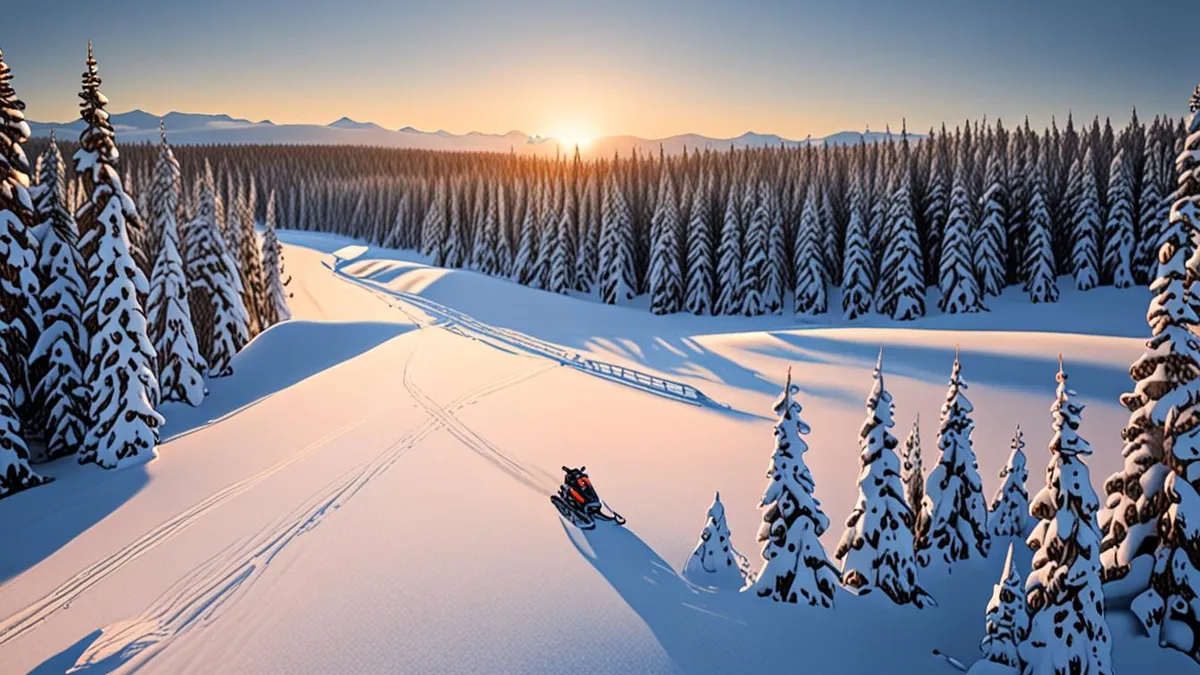
The single biggest factor in choosing a lodge is trail access. Properties with direct access to groomed trails let you ride straight from the door, which saves you the hassle of trailering machines and adds an hour or more of actual riding to every day. In popular regions like Minnesota, Michigan and Maine, trail-side lodges book up early for a reason.
Beyond location, think about how the lodge supports the sport itself. You want a place that treats snowmobilers as core guests, not an afterthought, and the difference shows in the details.
- Gear storage and drying rooms: warm, ventilated space where boots, gloves and helmets dry overnight, so you start each morning with usable gear instead of frozen liners.
- On-site or nearby rental fleets: useful if you’re flying in or don’t own a sled, and a sign the lodge is set up for riders of all experience levels.
- Trail-condition updates: lodges that post daily grooming reports or have staff who ride can point you toward the best routes for the day’s conditions.
- Fuel and basic service nearby: on remote routes, knowing where the next fuel stop is can shape how far you comfortably ride.
Finally, match the lodge type to your trip style. Remote fly-in or drive-in lodges offer deep-wilderness riding with hardly another track in sight, ideal for a full week focused on the sport. Roadside lodges suit shorter weekend trips, with easier arrivals and restaurants or towns within reach. If you’re considering a mountain destination, Whistler ski lodges for winter holidays show how a resort town pairs lift-served skiing with guided snowmobile terrain nearby, which works well for mixed groups.
Guided Tours vs Renting Your Own Snowmobile
For most first-time riders, a guided tour is the easiest way to enjoy snowmobiling. A guide sets the pace, picks a route that matches the group’s ability, and handles navigation so you can focus on riding. Tours typically run $150-$500 per person depending on length, and they include a safety briefing, a lead snowmobile, and route planning through terrain the guide knows well.
When a guided tour makes sense
If you have never ridden a snowmobile before, or you are traveling in an unfamiliar region, book a guided trip. The guide knows where the trails connect, where the ice is safe, and where to stop for the best views. Groups with mixed experience levels also do better on guided rides, since the pace can be adjusted without anyone getting lost.
Renting your own sled is a different experience entirely. It suits experienced riders who already know the area and want flexible timing, whether that means an early-morning ride on fresh groomed trails or a long loop that would slow down a larger group. Check that your rental includes a helmet, since most operators provide one, and confirm the rental company’s insurance and damage policies before you sign.
Age rules matter when planning for families. Most guided tours require drivers to be at least 16 years old with a valid driver’s license, but younger passengers are usually allowed to ride as a passenger with a parent or guide. Always confirm the specific requirements with your operator before booking, as rules can vary between companies and regions.
What to Pack and How to Prepare
Snowmobiling puts unique demands on your clothing. You generate plenty of heat while riding, but every stop for photos, fuel or a trailside break exposes you to cold almost immediately. The right gear keeps you comfortable through both, and the good news is you do not need to buy everything.
Helmets are almost always provided by lodges and tour operators, so leave yours at home unless you own one you trust. What you do need to bring is a solid layering system, starting with insulated base layers and topped with a waterproof outer shell. Goggles and heated gloves round out the essentials, since fingers and eyes suffer first when you are moving at trail speed in sub-freezing air.
Dress in removable layers so you can adjust at every stop. A typical setup looks like this:
- Moisture-wicking base layer: avoid cotton, which stays wet and chills you; synthetic or merino wool tops and bottoms work best under a riding suit.
- Insulating mid-layer: a fleece or light down jacket you can pull off and stash in a pack when the riding warms you up.
- Waterproof outer shell: a snowmobile suit or separate jacket and bibs that block wind and trail spray, which is the layer that does most of the work at speed.
- Goggles with good ventilation: tinted lenses for sunny days and a spare clear lens for overcast weather or evening rides.
- Heated gloves or glove liners: battery-heated gloves are a worthwhile upgrade if your hands get cold easily, and chemical hand warmers make a cheap backup.
If it is your first time on a sled, ask about a short skills session before committing to a full-day ride. Learning throttle control, braking and body positioning in a field or on a short loop makes the rest of the day far more enjoyable, and most operators are happy to arrange one.
Costs and How to Book Your Winter Lodge Stay
Winter lodge trips are easier to budget than many travelers expect, once you break the trip into its two big line items: where you sleep and how you ride. Most winter lodges charge a few hundred dollars per night, while luxury properties start at $500 and climb from there. Guided snowmobile days add a meaningful per-person cost on top of that, so a two-night weekend for two can grow quickly once riding is included. Plan it step by step:
- Set your nightly lodging budget first. Standard winter lodges sit at the lower end of the market, while reserve the $500+ per night tier for luxury properties with extras like full spas, private hot tubs or chef-prepared dinners.
- Add your snowmobile costs per person. Half-day guided rides cost less than full days, so decide how long you want to ride, then multiply by the number of riders in your group before comparing lodges.
- Book on the right timeline. Regular winter weekends need 2-4 months of lead time, while Christmas and Presidents’ Day weeks require 4-6 months because those dates sell out first.
- Ask about package deals. Many lodges bundle lodging with guided rides, and these packages often come in cheaper than booking the same elements separately.
Once you have your dates and a realistic total, it pays to understand how lodge pricing works across the season. Rates often shift between early winter, peak holiday weeks and late season, and the same room can vary noticeably depending on when you book. Our guide on how to book a lodge stay, including costs and booking tips walks through the details, so you can lock in the right room at the right time.
Wrapping Up Your Snowmobile and Winter Lodge Trip Plan
A snowmobile and winter lodge trip comes together quickly once you know the basics. Aim for January or February riding when snow is most reliable, pick a lodge with direct trail access so the trails start right at your doorstep, and book 2-4 months ahead for regular winter weekends. If you’re targeting Christmas or Presidents’ Day week, push that reservation out to 4-6 months.
Choose between guided tours and self-guided rentals based on your experience level, and budget for both sides of the trip: nightly lodge rates plus per-person tour costs. Adding those two numbers together gives you a realistic total before you commit. If this helped you plan your winter getaway, leave a comment or share the article with a fellow traveler.