You know you want a glamping trip, but you are stuck choosing between a rustic canvas tent cabin and a polished retro Airstream trailer. Both promise fresh air and a real bed, yet they deliver very different experiences once the sun goes down. This guide to tent cabins vs Airstream stays breaks down exactly what each option looks like, how they compare on comfort, and what you will actually pay per night.
We will walk through the setup of each stay type, compare amenities like climate control and kitchen access, and cover the best seasons to book. You will also find advice on which option fits couples, families, and national park trips, plus a clear bottom line to help you decide. By the end, you will know whether your next getaway should come with canvas walls or an aluminum shell.
What a Tent Cabin Stay Actually Looks Like
A tent cabin is a step up from sleeping on the ground, but it is still close to the outdoors. Most are canvas or wood-frame structures set on a raised wooden platform, which keeps you off the dirt and away from damp ground. Inside, you will usually find real beds with mattresses and some basic furniture like a small table or a dresser.
What you will not find is much insulation. Canvas walls do little to hold in warmth or block heat, so expect the interior temperature to track closely with the outdoors. Pack layers for the evening, even on trips where days feel warm, since nights can cool off quickly.
Bathrooms and What to Pack
Bathrooms and showers are typically located in a shared bathhouse a short walk from your cabin. It is a small trade-off for the atmosphere, but it means a flashlight trip if you need the restroom at night.
Setups vary widely from site to site, so check what is included before you go. Some cabins provide linens and towels, while others expect you to bring your own bedding layers. A flashlight, toiletries, and warm socks are smart additions to any tent cabin packing list.
What an Airstream Stay Actually Looks Like
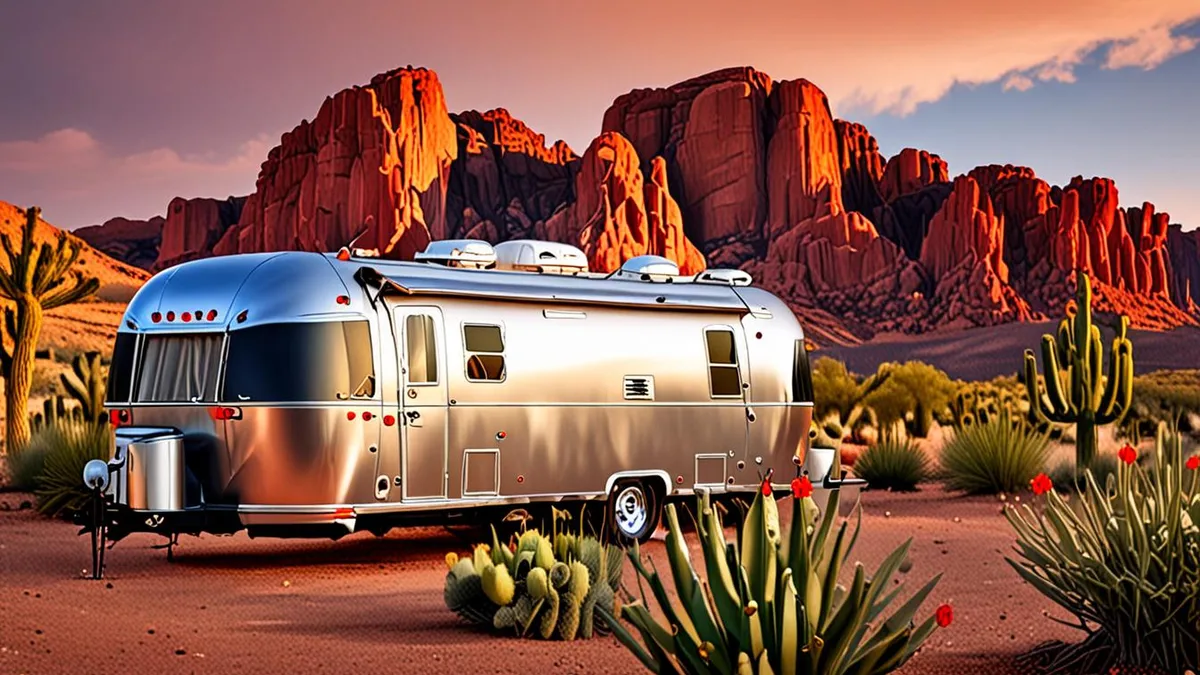
An Airstream stay puts you inside a fully enclosed aluminum trailer rather than under canvas. Most units offer about 180–200 sq ft of living space, which is compact but thoughtfully arranged. You get a real mattress, a small kitchenette, and often a private bathroom, so you can skip the walk to shared facilities entirely.
The metal shell is insulated, and many units include heating or air conditioning. That means the interior stays comfortable across a wider range of weather than a canvas structure can manage, from chilly mornings to hot afternoons.
Style and Space Trade-Offs
Step inside and the retro styling, polished surfaces, and panoramic windows make it feel closer to a boutique hotel room than a campsite. Waking up to a wide window view without leaving your bed is a big part of the appeal.
The trade-off is space. A couple fits comfortably, but families may find the single-room layout tight, especially compared with a multi-room tent cabin. If you are traveling with kids, think about whether everyone can share one enclosed space for several nights before you book.
Comfort and Amenities Compared
When comparing these two stays side by side, climate control is the biggest gap. Airstreams often include heating or air conditioning, while tent cabins usually do not, so your comfort level depends heavily on the weather during your dates. That single difference shapes almost everything else about the experience, from how you pack to how well you sleep. Privacy is the next difference: an Airstream is an enclosed unit with your own bathroom, while a tent cabin means walking to a shared bathhouse, day or night. Some travelers love that ritual and see it as part of the adventure; others would rather not lace up shoes at midnight.
Kitchen access follows the same pattern. Airstreams commonly include a small kitchenette where you can brew coffee and cook simple meals, while tent cabin guests rely on communal cooking areas or dining options nearby. If you like preparing your own breakfast, that detail matters more than you might expect. Before booking, consider these additional differences:
- Morning light: canvas walls brighten early with the sunrise, which early risers love but light sleepers may want to plan around with a sleep mask.
- Outside sound: canvas lets in birdsong, wind, and neighboring conversations, so light sleepers might pack earplugs while others find the soundscape part of the charm.
- Nighttime bathroom trips: in a tent cabin, a flashlight walk to the bathhouse is part of the routine, so keep one within arm’s reach of your bed.
Cost Breakdown: Which Option Fits Your Budget
If you’re comparing glamping options on price, tent cabins are usually the entry point. Most sites charge somewhere in the $100–200 per night range, which gets you a raised platform, real beds and a roof over your head without paying for a full hotel room.
Airstream stays typically run $120–250 per night. That premium buys you the things a tent cabin can’t offer: climate control, a private bathroom and an insulated shell that keeps the interior comfortable regardless of what the weather is doing outside. If your travel dates overlap with hot afternoons or chilly nights, the extra $20–50 per night can be money well spent.
Don’t forget the extras
Neither option is all-inclusive by default. Firewood bundles, meal plans, kayak rentals and guided activity fees can add $20–50 per day at either type of property. Ask the site what’s included before you book, and budget for those add-ons so the final bill doesn’t surprise you.
Timing matters, too. Midweek dates and shoulder-season weekends can cut 20–30% off peak rates at both tent cabin ranches and Airstream resorts. If your schedule is flexible, shifting your stay from a Friday to a Tuesday is often the single easiest way to save. For a broader look at how these stays compare to traditional camping costs, our guide to glamping versus camping costs and comfort breaks it down in detail.
Best Seasons and Weather for Each Stay Type
Timing your trip well matters more with a tent cabin than with almost any other type of glamping stay. Canvas walls have little to no insulation, so the interior temperature tracks closely with the outdoors. That works beautifully when nights are mild and less beautifully when they’re not.
Tent cabins shine in the May–October window, when evenings stay comfortable in most US regions. Spring and late fall can get genuinely cold without heating, so if you’re booking outside peak season, pack warm layers and check whether the site offers any heating options at all.
Why Airstreams stretch the calendar
Airstreams extend the season considerably. The insulated aluminum shell plus heating or air conditioning in many units makes them workable from early spring through late fall in most regions. You lose some of the raw outdoor feel, but you gain usable comfort in months when a tent cabin would be a shivering proposition.
Desert destinations flip the pattern. Airstream stays in places like the Southwest stay popular October through April, when summer heat makes both canvas and metal uncomfortable. If you’re dreaming of a desert escape, aim for the cooler months. For help picking the right window for your destination, our month-by-month guide to glamping seasons in the US walks through each region.
One last weather note: rain is a bigger deal in a tent cabin. Pack waterproof bags for your gear, bring extra footwear and check the site’s drainage and ground conditions before booking wet-season dates. An Airstream shrugs off a storm; a canvas cabin does not.
How to Choose Based on Your Trip Style
The right choice depends less on the hardware and more on what kind of trip you’re planning. A tent cabin and an Airstream can sit on neighboring sites and deliver completely different experiences, so start by asking what you actually want from your nights.
First-time glampers who want a true outdoor feel should pick a tent cabin and lean into it. The canvas walls, the sounds of the forest, the campfire-and-stars evenings — that’s the whole point. You trade some comfort for atmosphere, and for many people that trade is exactly right.
Couples who want hotel-like comfort in a scenic setting get the best comfort-to-scenery ratio from an Airstream. You get a real mattress, a private bathroom and climate control, all wrapped in retro styling with panoramic windows that frame the view. The polished interior feels a world away from roughing it, and it’s hard to beat for a two-person getaway.
Matching the stay to your group and destination
Group size and destination push the decision in different directions. Tent cabins often sleep 4–6 people, while most Airstreams comfortably fit only 2, so families and friend groups usually land on canvas. National park trips add a booking-timing wrinkle: Airstream sites cluster near parks and fill up fast, while tent cabin ranches and forest sites tend to offer more last-minute availability. A few specific scenarios worth weighing:
- Trips with mixed comfort needs: some sites let you book a tent cabin and an Airstream side by side, so heat-sensitive family members get climate control while everyone shares the same campfire.
- Park-heavy itineraries: if your days revolve around trailheads and shuttle stops, prioritize Airstream sites near the park entrance to cut early-morning driving time.
- Longer stays: a kitchenette in an Airstream makes multi-week trips easier, since you can cook most meals instead of relying on nearby dining or communal cooking areas.
- Special occasions: for anniversaries or proposals, the Airstream’s enclosed, styled interior photographs better and feels more celebratory than a rustic cabin.
If you’re still weighing options for a first trip, our guide to choosing the right glamping site covers location, amenities and booking questions in more depth.
The Bottom Line: Tent Cabin or Airstream
So which one should you book? Tent cabins win on price, typically running $100–200 per night, and they offer more group capacity plus that authentic campfire-and-stars atmosphere many glampers are chasing. Airstreams win on comfort: climate control, a private bathroom and a longer usable season, all wrapped in a stylish 180–200 sq ft aluminum shell.
Whichever you choose, book 2–3 months ahead if you’re aiming for a May–October peak weekend at a popular site. The real question comes down to your priorities: rustic immersion under canvas, or enclosed comfort with hotel-like touches. Match the stay to the trip you actually want, and either option delivers a memorable night outdoors. If this helped you decide, leave a comment or share the article with a travel friend.