Choosing between a lodge vs cabin vs chalet trips up more travelers than you might think. The words get used interchangeably on booking sites, so people end up somewhere with the wrong level of service, space or remoteness for their trip. You book a cabin expecting a restaurant on site, or reserve a chalet in July hoping for a cozy ski base, and the mismatch only shows up after you have paid.
This guide clears up the confusion. We start by defining what actually makes a lodge, a cabin and a chalet different, then look at when each one is the right choice. You will also find a comparison of typical prices and booking lead times, advice on matching the stay type to your travel style, and a short checklist for choosing with confidence before you hit that reserve button.
What Defines a Lodge, a Cabin and a Chalet
The three stay types look similar in photos, often all wood and views, but they work very differently once you arrive. Knowing the core differences helps you match the property to the trip you actually want.
The lodge: service built in
A lodge is a larger property with on-site services like a restaurant, front desk and often guided activities. Think of it as a full-service base: someone cooks your meals, cleans your room and arranges your excursions. Lodges are common in remote wilderness areas, national parks and safari regions, where their staff and local knowledge are a big part of what you are paying for.
The cabin and the chalet
A cabin is a small, self-contained wooden unit, usually self-catered and set in nature. You get privacy, a kitchen or kitchenette and quiet surroundings, but you handle your own meals and planning. Cabins suit travelers who want a simple, independent base rather than a staffed property.
A chalet is an alpine-style house, traditionally ski-focused, often rented whole with self-catering or staffed options. A whole chalet gives a group shared living space, gear storage and often genuine ski-in access. Some come fully staffed with a cook and host, while others are self-catered, so check what is included before booking.
When a Lodge Is the Right Choice
A lodge is the right choice when you want the trip handled for you. Meals, housekeeping and organized excursions are typically included in the rate, so you can spend your energy on the experience rather than logistics. After a long day of hiking or game drives, having dinner prepared and your room refreshed is worth a lot.
Remote areas where self-catering is impractical
In remote wilderness areas, a lodge is often the only practical option anyway. There may be no grocery store for hours, no reliable kitchen in a simple room, and roads that require local knowledge. Lodges solve this by bringing in food, staff and supplies, which is exactly why they cost more than a self-catered stay.
Trips where guides add real value
Lodges suit wildlife and hiking trips especially well, because local guides add real value. A guide who knows where animals gather, which trail is quiet and when the light is best can transform a few days in nature. For example, travelers heading into the rainforest often choose an Amazon rainforest lodge for wildlife travel precisely because the included excursions and expert guiding make spotting elusive species far more likely.
If your itinerary is built around guided activities rather than independent exploring, the lodge premium usually pays for itself.
When a Cabin Fits Your Trip Better
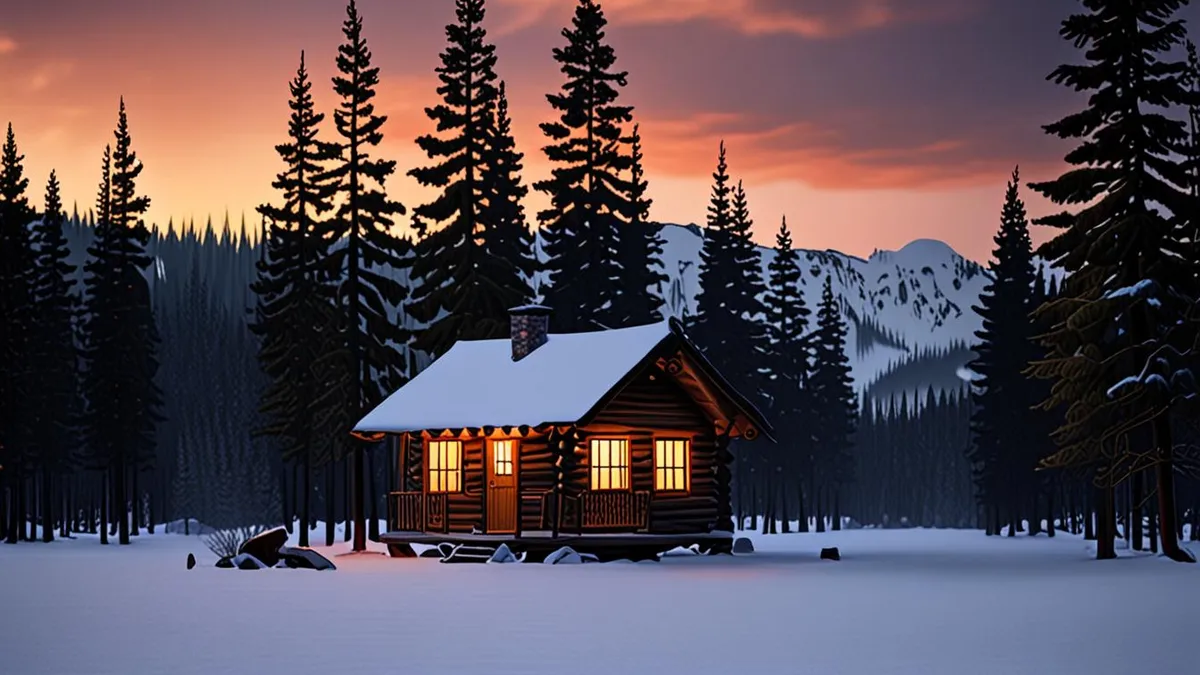
Cabins are the budget-friendly option of the three, with nightly rates typically $80–$250 depending on region and season. That lower price, combined with a kitchen, means you can also save on food by cooking your own meals instead of paying for restaurant dinners every night.
They suit couples and small families who want privacy and space of their own. Instead of sharing walls with other guests, you get a standalone unit, often with a porch or fire pit, and room for kids to spread out without disturbing anyone.
Cabins also work well for lake and forest getaways where you plan your own days. There is no activity schedule to follow; you decide when to swim, paddle, hike or simply read on the deck. If that sounds appealing, browsing options like Muskoka lake lodges for peaceful weekends shows how rewarding a self-planned waterside stay can be.
A few practical details worth checking before you book:
- Kitchen equipment: confirm whether the kitchen has full cookware and basics like oil and coffee, or just a microwave and mini fridge, so you can plan meals realistically.
- Water and access: some remote cabins run on well water or solar power and sit down unpaved roads, which matters if you are arriving in a rental car after dark.
- Firewood and heating: if a wood stove is the main heat source, ask whether firewood is provided or whether you need to bring or buy your own.
- Cell coverage: many cabins in forest areas have weak signal, so download maps and entertainment before you arrive.
When to Pick a Chalet
Chalets were built with one season in mind: ski season. Between December and March, the features that matter most are the ones that save you time on the snow, like ski-in access, a boot room with proper drying racks, and secure gear storage. If you wake up, clip into your skis at the door, and are on the first lift minutes later, the chalet is doing its job.
Chalets also shine for groups. Renting one whole property with a shared living room, dining table and hot tub often costs less per person than booking several hotel rooms, and you get a common space hotels simply cannot offer. Many larger chalets can be booked with a cook or host if you would rather not handle meals yourselves.
Timing is the catch. Peak winter weeks sell out early, so book four to six months ahead if you have fixed dates over the holidays or February half-term. If your dates are flexible, summer opens up the same mountains at a fraction of the price, with rates typically 30–50% lower than winter. For inspiration on where to go, see this guide to ski lodges in Whistler for a winter holiday.
- Check the distance to the lift, not just the village: a chalet labeled “ski-in” may still sit above a steep path that is easy on skis but awkward with boots and poles at the end of the day.
- Ask how beds are configured: group chalets often mix doubles, twins and bunk rooms, which matters if your group wants couples paired up rather than split across shared rooms.
- Confirm catering levels before you pay: chalets range from fully self-catered to staffed with a private chef, and the difference in both price and effort is significant.
Lodge vs Cabin vs Chalet: Price and Booking Lead Times Compared
Price differences between the three stay types are real, and understanding where your money goes helps you spot a fair deal. A lodge’s higher nightly rate usually reflects what’s bundled in: meals, housekeeping and guided activities in often remote locations. Cabins keep costs down by stripping services away, while chalets command their highest rates during the busiest weeks of the ski season, when demand in resort towns peaks.
If your schedule is flexible, shoulder seasons are where the savings live. Late spring and early fall bring noticeably lower lodge and cabin rates, thinner crowds at trailheads, and better availability on short notice. A cabin that commands top dollar in midsummer can be a bargain in late September, often with the same lake or forest setting and far quieter mornings on the porch.
- Compare total trip cost, not the nightly rate: a lodge with meals and guided hikes included can undercut a cheaper cabin once you add restaurant bills and paid excursions to the tally.
- Watch for minimum-stay rules: peak-season chalets often require a full week, typically Saturday to Saturday, which can quietly change the math for a shorter trip.
- Midweek nights cost less almost everywhere: shifting a lodge or cabin stay to Sunday–Thursday nights can trim the rate meaningfully in busy periods, especially near popular parks.
- Ask about seasonal pricing before you book: some properties quietly adjust rates between high and low season, so confirming the exact rate for your dates avoids surprises at check-in.
Matching the Stay Type to Your Travel Style
The right stay type depends less on the destination and more on who is traveling and what your days look like. A family of four, a couple celebrating an anniversary and a group of eight skiers all need very different things from the same mountain town.
Families with kids
Lodges take the pressure off parents: included meals mean nobody has to shop or cook after a long day out, and housekeeping keeps the room livable. Cabins win on space and practicality instead. A kitchen lets you handle picky eaters and early breakfasts, and kids get room to spread out without the noise of a hotel corridor.
Couples and active groups
Couples seeking quiet should look past busy chalet resorts and choose a lakefront cabin or a remote lodge, where evenings are about the view and the fire rather than lift queues and apres-ski crowds. For active groups, the choice follows the season: a whole chalet is hard to beat for a winter ski trip, with shared space and ski-in access, while a wilderness lodge with guided hikes suits summer trekking groups who want local knowledge and meals handled after long days on the trail.
Choosing With Confidence
The fastest way to avoid booking the wrong stay is to match the property type to what your trip actually needs. Pick a lodge when you want meals, housekeeping and guided excursions handled for you, especially in remote wilderness areas. Pick a cabin when budget and privacy come first and you’re happy to cook and plan your own days. Pick a chalet when you’re traveling as a group during ski season and want everyone under one roof.
Timing matters just as much as the choice itself. Reserve chalets 4–6 months ahead for peak winter weeks, and book lodges or cabins near parks 2–3 months out for summer. And when comparing options, look past the nightly rate: a lodge that includes meals and activities can cost less overall than a cheaper stay where you pay for everything separately. If this helped you decide, share it or leave a comment below.