Here’s the thing about Mallorca villas: the island is small, but the experience of staying here changes dramatically depending on where you base yourself. A villa near the marinas of the southwest feels like a completely different holiday from a stone finca in the Tramuntana foothills or a family rental on the shallow beaches of Alcúdia Bay. Pick the wrong area, and you can spend your whole trip driving against traffic to reach the kind of holiday you actually wanted.
This guide breaks the island down by area, from the southwest coast near Palma to the mountain villages of Deià and Sóller, the family-friendly north around Alcúdia, and the quieter coves of the east and southeast. For each region, you’ll find who it suits, what the drives are like, and what villas typically cost. We’ll also cover when to book and how to match your base to your trip, so the villa you choose actually delivers the holiday you had in mind.
How to Pick the Right Area for Your Mallorca Villa
Before you fall in love with a particular villa photo, work out what kind of trip you’re actually taking. Nightlife and beach clubs point firmly to the southwest. Shallow, safe swimming for kids points to the north. Hiking, mountain views and quiet rural escapes point to the Tramuntana and the island’s interior. Each of these trip styles suits a different corner of Mallorca, and no single area does all of them well.
Think about transport and group size
Car needs vary more than most travelers expect. Rural fincas and mountain villas almost always require a rental car, since restaurants and shops are rarely walkable. By contrast, some Palma-area stays let you manage without one, which can simplify things if you’d rather not drive on holiday.
Group size matters too. Large groups often find better value in inland fincas, where space is generous and prices per person drop, than in compact coastal towns where bigger villas are scarcer and pricier. And if you’re traveling with young children, factor in transfer times from Palma airport: a long, winding drive after a flight is nobody’s idea of a good start. Matching these practical points first will narrow your search to the areas that genuinely fit.
Southwest Coast: Palma, Portals and Santa Ponsa
The southwest coast is the island’s convenience zone. Villas around Palma, Portals and Santa Ponsa sit roughly 20-30 minutes by car from Palma airport, the shortest transfers on the island. That makes this stretch ideal for short stays, late arrivals, or anyone who wants to be unpacked and by the pool before lunch on day one.
The marina scene around Portals Nous
Around Portals Nous, the atmosphere turns distinctly upscale. The marina draws yachts, high-end dining and beach clubs, and the surrounding hills are filled with polished villa developments. If your idea of a good evening involves a long dinner and a cocktail with a sea view, this is your patch of the island.
The southwest is also the best fit for travelers who want restaurants, nightlife and everyday services within a short drive. Supermarkets, medical facilities and beaches are all close at hand, so you’re never far from anything.
The trade-off is price. In peak season, villa rates here sit at the top of the island’s range, often €500-€1,000+ per night. You’re paying for location and polish, and in July and August, demand keeps those figures firm.
Tramuntana Mountains and Northwest Coast: Deià, Sóller and Pollença
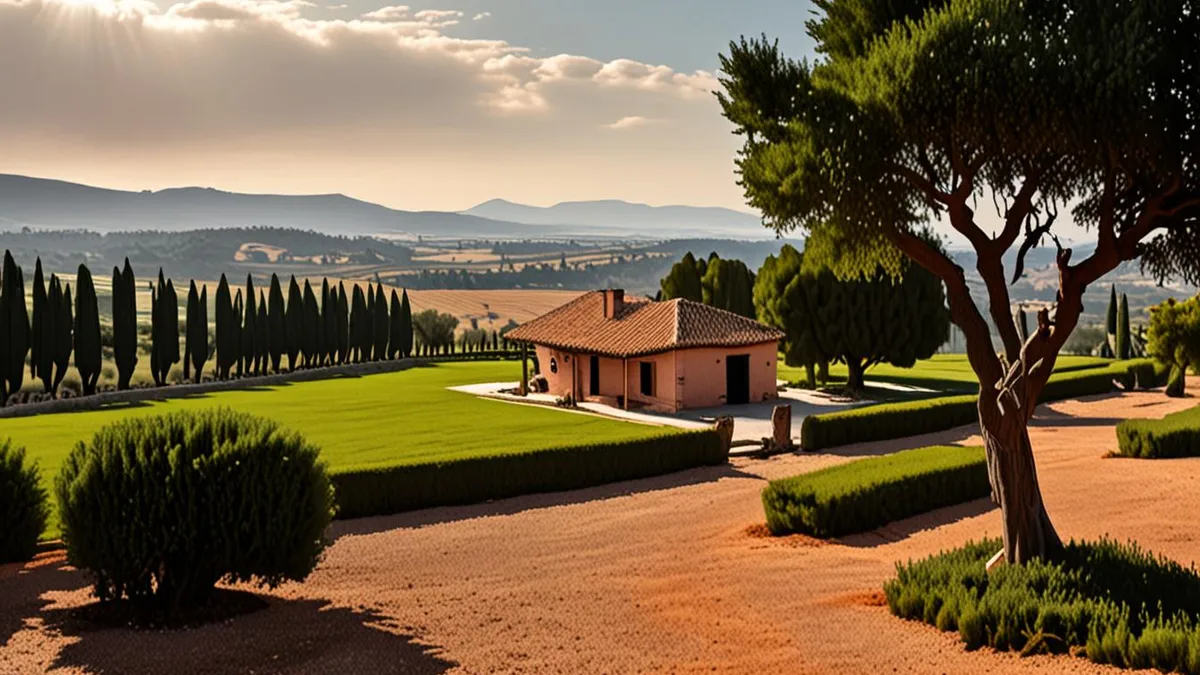
The Tramuntana range stretches about 90 km along Mallorca’s northwest coast, and it delivers the island’s most dramatic scenery: limestone peaks dropping toward a deep blue sea, terraced olive groves and stone villages clinging to hillsides. Villas here are often stone-built and set into the slope, with views that justify every switchback you drive to reach them.
Who this area suits
These hillside properties tend to suit couples and hikers rather than large families. Terraces are often stepped, access roads are narrow, and pools can be some distance from village amenities. If you want space for children to roam and walkable beaches, other parts of the island fit better.
Within the region, the character differs. Sóller and Port de Sóller offer a vintage tram link between town and coast plus a sheltered bay, which adds a rare walkable, low-car element to a mountain stay. Deià stays quieter and more exclusive, drawing writers, artists and travelers who prize seclusion over services.
One practical note: winding coastal roads mean longer drives than the map suggests. Allow 45-70 minutes from Palma airport, and expect the same care on every day trip along the coast.
North Mallorca: Alcúdia and Pollença Bay for Families
If your trip revolves around children building sandcastles for hours, north Mallorca is hard to beat. Alcúdia Bay is known for shallow, family-friendly beaches that shelve so gently you can wade out a long way before the water reaches waist height. That makes supervision easier and gives toddlers a safe splash zone that deeper coves elsewhere simply cannot match.
The walled old town of Alcúdia adds genuine charm to a family stay. Narrow stone streets hold weekly markets, ice cream stops and plenty of restaurants, and many villa rentals sit close enough to walk in for dinner rather than drive. Pollença Bay, just along the coast, offers a similar sandy stretch with a calmer, more residential feel.
Prices here are typically mid-range by island standards, though exact rates vary widely with size, view and distance from the water, so check current listings before you commit. The drive from Palma airport takes roughly 45-60 minutes, manageable even with tired young children in the back seat. When comparing villa types, the same logic that applies to picking a coastal rental in our guide to choosing a villa rental in Mexico works here too: prioritize beach access and walking distance to amenities.
Families should also keep a few practical points in mind. Summer rentals in this area, like much of the island, usually run on a Saturday-to-Saturday changeover, which can help when coordinating flights for a group.
- Pollença’s Pine Walk is a flat, car-free promenade along the bay, ideal for evening strolls with a pushchair or scooter.
- Alcúdia’s street markets spill through the old town walls, selling local produce, ceramics and toys that keep kids entertained.
- Many north-coast villas come with fenced pools and lawned gardens, a common feature in this family-oriented market.
- Boat trips and glass-bottom excursions run from Alcúdia’s marina, an easy half-day activity when the kids tire of the beach.
East and Southeast: Porto Cristo, Santanyí and Cala d’Or
The southeast is Mallorca at its most understated. Instead of long sandy sweeps, this coastline is defined by rocky coves and pine-fringed calas, small sandy pockets tucked between limestone headlands. Cala d’Or is the best-known base here, a low-key resort built around several of these coves, with whitewashed, low-rise buildings and a pedestrian-friendly center.
Fincas Around Santanyí
Inland, the countryside around Santanyí offers some of the best space-per-euro on the island for groups. Rural fincas here tend to sit on generous plots with olive trees, almond groves and wide views, so a party of eight or ten often gets more bedrooms, a bigger pool and real privacy than the same budget would buy in a compact coastal town. Santanyí itself has an attractive sandstone old town and a well-regarded twice-weekly market.
Porto Cristo, further up the east coast, adds a working harbor town feel, and the region as a whole draws repeat visitors who have already done the southwest and want somewhere quieter with more local character. Restaurants lean toward mallorquín classics rather than international beach-club menus, and evenings stay calm.
Plan on transfer times of roughly 50-70 minutes from Palma airport by car. A rental car is essential for most villas in this area, since calas and fincas are spread out and public transport is thin on the ground outside the main resorts.
When to Book Mallorca Villas and What to Pay
Timing your booking matters as much as picking the right area. For stays between June and early September, aim to book 4-6 months ahead, and earlier still if you are a large group targeting the southwest, where the best properties are snapped up first. July and August are the busiest and most expensive months, so flexibility on your exact week can make a real difference. If your dates can shift by even a few days at the edges of the season, you widen your choice of villas considerably.
One practical detail to plan around: most villa rentals on the island run Saturday-to-Saturday changeovers in summer. That locks in your flight days and can push flight prices up if everyone else is flying the same Saturday, so book flights soon after securing the villa. If flights look expensive on your changeover date, compare nearby airports and flexible-date search tools before settling.
The shoulder months of May, late September and October offer warm sea temperatures with far fewer crowds, and villa rates drop noticeably. Swimming conditions are generally still excellent, and restaurants and beaches feel relaxed rather than packed.
- Off-peak rural fincas can be found for roughly €150 per night, a fraction of what the same property commands in summer.
- Luxury coastal villas in peak summer carry a serious premium, so splitting a large property between two families can halve the per-person cost.
- Shoulder-season stays often come with flexible changeover days, since owners are less bound by peak-season turnover schedules.
- Booking early also gives you first pick of features that matter, such as heated pools for May stays or shaded terraces for July.
Wrapping Up: Matching Area to Trip
Mallorca is not one villa destination but several, and the area you choose shapes the whole trip. The southwest coast works best for convenience, restaurants and nightlife, the north around Alcúdia suits families who want shallow beaches, the Tramuntana mountains reward scenery seekers and hikers, and the east and southeast appeal to travelers chasing quiet coves and rural fincas. Picking the wrong base can leave you with long drives every day or an atmosphere that does not match your group.
Keep two things in mind when deciding. Booking windows and price expectations vary mainly by area and season, so a southwest coastal villa in August demands far more planning and money than an inland finca in May. And remember that the right base matters as much as the villa itself on this island. If this guide helped you narrow down your choice, leave a comment or share it with your travel group.