Your partner just booked a golf resort for a week, and you don’t play. Now you’re picturing seven days of sitting on a balcony while someone else chases a little white ball, wondering if you’ll spend the trip watching grass grow. It’s a common worry, and honestly, it’s usually the wrong picture.
The truth is that golf resorts for non-golfers are often a better deal than they look. These properties are built on big, open plots with spas, pools, restaurants and activity programs designed to keep every guest happy, not just the ones carrying clubs. In this article, we’ll look at why these resorts are underrated, what to expect from the spa and dining scene, which activities you can do beyond the course, how to pick the right property, and how to time and budget your stay so it works without a single round of golf.
Why Golf Resorts for Non-Golfers Are Underrated
Golf courses need room, and that’s exactly why these resorts feel so different from a standard city hotel. Instead of being squeezed between office buildings, a golf resort spreads out across a large open plot, which means wider grounds, more distance between rooms, and views over fairways and greenery rather than a parking lot. The quiet is noticeable too; there’s no street traffic, just the hum of maintenance carts in the early morning.
The second reason non-golfers do well here comes down to money. Golf resorts court affluent travelers who expect more than a bed and a breakfast buffet, so the properties typically invest heavily in spas, swimming pools and serious restaurants. The key point is that these facilities aren’t reserved for players; every guest can use them. You’re essentially getting a high-end leisure resort with a golf course attached.
The shoulder-season advantage
Golf demand is strongly seasonal. In most temperate regions, peak golf season runs from April to October, and that’s when resort rates climb highest. If you travel in the quieter months around that window, you’ll often find the best value of the year, because the resort still needs to fill its rooms but the golfing crowds have thinned out. For a non-golfer, that means the same pools, spas and restaurants at a friendlier price, with more lounge chairs actually free by the pool.
Spa, Pools and Wellness Facilities
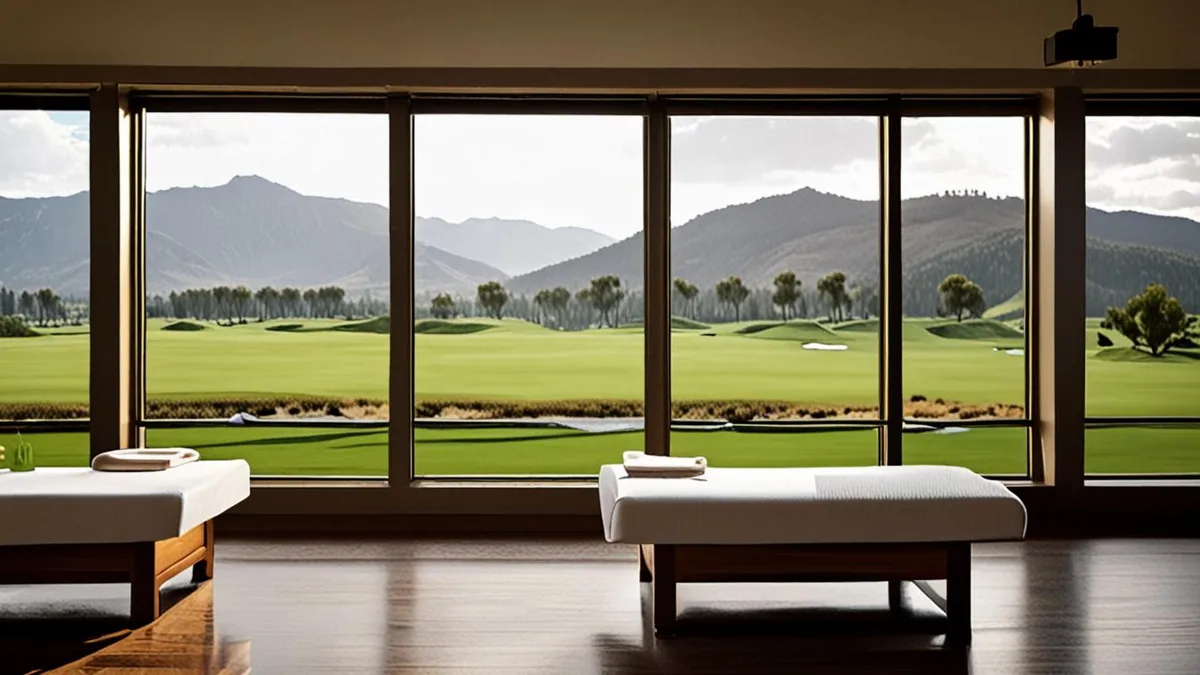
The spa is usually the heart of a golf resort’s non-golfing appeal, and these are rarely afterthoughts. Expect a full-service facility with massage, facials, body treatments and often extras like saunas or steam rooms. Spa treatments at golf resorts commonly range from $120 to $250 per session, depending on the length and type of treatment, so it’s smart to check the current menu and prices before you arrive and maybe book one or two sessions in advance for popular times.
You don’t have to spend extra to relax, though. The resort pools, hot tubs and fitness centers are open to all guests, not just the golfers returning from eighteen holes. In practice, this means you can claim a lounger in the morning, swim while the course is quiet, and hit the gym or hot tub in the afternoon without paying anything beyond your stay.
Wellness that comes included
Many golf resorts have added wellness programming to appeal to guests who never touch a club. That often means yoga classes on a terrace or lawn, stretching sessions, or guided wellness activities woven into the weekly schedule. Whether these are included varies by property, so ask at booking what’s part of your stay versus what carries a fee. If morning yoga and an afternoon massage sound like your kind of vacation, a golf resort can deliver it with far more calm than a busy city spa ever could.
Dining and Evening Entertainment
Food is where golf resorts quietly outperform many other resorts. Because their business model centers on a signature restaurant plus a more casual clubhouse venue, the kitchens are often run with real ambition, and the quality is frequently above the resort average. The signature restaurant tends to handle the special-occasion dinners, while the clubhouse covers relaxed lunches and post-round drinks, giving you two very different moods without leaving the property.
Evenings have a natural rhythm here too. Sunset terraces facing the course usually double as the main social space, where guests gather for drinks as the light fades over the fairways. Even if you never picked up a club, it’s a pleasant place to end the day, and the open setting means you’re rarely fighting for a table.
Before you book: check the dining model
One detail can change your total budget significantly: whether dining is all-inclusive or a la carte. On an all-inclusive plan, meals and drinks are bundled into your rate; on an a la carte property, every dinner and cocktail lands on your final bill, and resort restaurant prices can add up fast over a week. It’s worth comparing the two approaches carefully before you commit, and our guide to all-inclusive versus a la carte resorts breaks down which model fits which kind of trip. A quick email to the resort asking about meal plans, half-board options and what’s included will save you an uncomfortable surprise at checkout.
Activities Beyond the Course
Golf resorts are built around wide-open land, and that space gets used for far more than fairways. Most properties with a serious guest program offer several ways to stay active without ever picking up a club, and the settings make these activities more enjoyable than at a typical city hotel.
The most common non-golf offerings are tennis and pickleball courts, cycling routes through the resort grounds, and marked hiking trails that often loop around the course perimeter. Because the terrain is open and well maintained, these trails tend to be easy to follow and pleasant even for casual walkers. Families benefit too: many resorts run supervised kids’ clubs and separate family pools, so a mixed-interest group can split up for the morning and reunite at lunch without anyone feeling bored.
One caution before you book: inclusions vary widely from property to property. Some resorts bundle everything into the nightly rate or resort fee, while others charge per session or per hour for courts, bikes and classes. Ask specifically which activities are included versus paid extras, and get the answer in writing if you can.
- Tennis and pickleball courts are usually lit for evening play, so you can book a slot after dinner rather than losing daytime hours to other plans.
- Resort cycling routes often connect to quiet country roads beyond the property, and some lodges offer guided rides or bike rentals by the day or week.
- Marked hiking trails frequently include viewpoint benches or water stations placed along the course, turning a short walk into a proper morning outing.
- Kids’ clubs typically run on a daily schedule with crafts, games and pool time, which lets adults book spa treatments without childcare worries.
- Family pools are usually separate from the quieter adult pool areas, so both age groups get the atmosphere they want.
Choosing the Right Property When You Don’t Play
When you don’t play golf, the course itself matters far less than everything built around it. That means your selection criteria should flip: instead of comparing course rankings and designer names, compare the guest experience. A property that leads with its spa, pool complex and activity program will keep a non-golfer happy, while a course-only operation may leave you with little to do between meals. It also pays to think about who the resort is really selling to. Properties that court serious golfers tend to reinvest in the facilities everyone shares, which works in your favor even if you never pick up a club. Before you book, spend time on the resort’s own website and recent guest reviews, looking specifically for comments from travelers who weren’t there to golf. Their impressions of the grounds, service and downtime options tell you more than any course photo gallery. The five steps below turn that research into a simple, repeatable process.
- Start with location. Golf resorts are often built on open land well outside town, so check how far you’ll be from restaurants, shops or sights you might want to visit on a non-resort day.
- Check the inclusions list carefully. Look for properties that advertise a full spa, a pool complex and a published activity calendar, and confirm which of these are covered by the rate rather than billed separately.
- Review dining options before committing. A resort with a signature restaurant plus a casual clubhouse venue gives you variety without leaving the grounds, which matters if you’re remote.
- Compare stay types, not just hotels. A villa rental on resort grounds can suit non-golfing groups better than a standard room, offering shared living space, a kitchen and often private outdoor areas.
- Measure the distance to nearby towns. If the nearest village is a short drive away, plan for rental car or shuttle costs; if it’s walkable, you gain flexibility for evenings out.
If you want a structured way to work through these questions, a practical checklist approach keeps the comparison honest. Our guide on how to choose a resort step by step walks through the same evaluation method for any property type, and it pairs well with the criteria above. Work through the list for two or three candidate properties, note where each one falls short, and the right choice usually becomes obvious. A little homework up front is what separates a relaxing stay from one where you’re counting the days until checkout.
Timing and Budgeting Your Stay
Non-golfers can save the most by picking their dates carefully. In most temperate regions, golf demand and resort rates climb between April and October. Travel in May or September instead and you’ll typically find rates 20-30% below peak summer pricing, with mild weather that still works perfectly well for pool time and outdoor activities.
When to book
Booking 2-3 months ahead typically secures the lowest shoulder-season rates. This window gives resorts enough lead time to fill rooms without you paying last-minute premiums, and it also improves your odds of getting the room category or villa you actually want rather than whatever is left.
What to budget beyond the room rate
Two costs catch travelers off guard. First, resort fees: most golf resorts charge a daily fee covering pools, fitness centers and activity programs, and you should budget that into your total before comparing prices, since a lower room rate with a higher fee can easily be the worse deal. It helps to understand what resort fees really cover and how to budget for them before you book.
Second, the transfer. Because golf resorts are built on open land, many sit 30-60 minutes from major airports. Factor that into both your budget, whether you’re arranging a shuttle, taxi or rental car, and your arrival-day plans, since a long transfer eats into your first afternoon on site.
Final Thoughts on Golf Resorts for Non-Golfers
If your partner booked a golf resort and you don’t play, a week there is unlikely to feel like watching grass grow. These properties reward non-golfers with open space, quiet grounds, serious spas and dining that often outshines a typical resort. You can spend your days by the pool, on the trails or at the spa while they chase their ball, then meet up for dinner on a sunset terrace.
The trip stays affordable with a bit of planning. Timing matters: shoulder-season months like May and September bring mild weather and rates noticeably below peak summer. Checking what’s included before booking matters just as much, since resort fees and activity inclusions vary widely. Match the property to your priorities rather than to the course, and the week works even without a single round. If this helped you plan your own stay, leave a comment or share the article with a fellow non-golfer.