The discounts look almost too good to be true: the same oceanfront room you priced in July suddenly costs a fraction of the rate, and the resort’s photos show empty pools and quiet beaches. But before you click book, the doubts creep in. Will the kids’ club be closed? Will a storm roll in off the Caribbean? Will half the restaurants be shuttered and the spa running on skeleton hours? That mix of temptation and uncertainty is exactly what stops most travelers from trying off-season resort stays.
This guide walks you through the whole picture. We’ll define what actually counts as off-season at beach and ski resorts, lay out the real savings and perks, and be honest about the downsides, from reduced service to hurricane risk. You’ll also learn what a typical low-season day looks like, how to book smart, and which destinations and trip types suit the quiet months best. By the end, you’ll know whether an off-season resort stay fits your travel style.
What Counts as Off-Season at Resorts
Off-season is simply the stretch of the year when demand at a resort is at its lowest, and that timing depends entirely on the type of destination. At beach resorts, the quiet months are typically May and then September through October, when school holidays are over and summer crowds have gone home. Ski resorts run on a reversed calendar: their cheapest, emptiest stretches come in early December before the snow base builds, and in April as the season winds down.
Between peak and low sits shoulder season, and for many travelers it’s the sweet spot. Prices fall well below high-season levels, but the weather and the resort’s operations are usually still close to normal. If your dates are flexible, shoulder weeks often deliver the best balance of cost and experience.
The hurricane season factor
Tropical destinations add one more layer to consider. In the Caribbean, hurricane season runs from June through November, with activity peaking between August and October. That doesn’t mean every low-season trip gets washed out, but it does mean you should weigh the risk, watch forecasts, and book flexible rates if you’re traveling in those months. The rest of this article shows you how to do exactly that.
The Pros of Off-Season Resort Stays
The biggest reason travelers consider the low season is money. On the same rooms, rates typically run 20-40% below high-season pricing, which can turn a splurge resort into something surprisingly affordable. That discount applies across room categories too, so the gap between a standard room and a suite often shrinks enough to make an upgrade worth considering in the first place. The savings compound quickly: a lower nightly rate on a longer stay, plus cheaper prices in the surrounding town for meals, taxis and excursions.
The second big perk is space. Resorts often see 30-50% fewer guests in low season, and that changes the feel of the whole property. You stop planning your day around other people, and the atmosphere shifts from busy resort to quiet retreat. For many travelers, that calmer rhythm is the real reason to return off-season year after year.
- Shorter waits everywhere. Restaurant tables, pool loungers and spa appointments that require booking days ahead in peak season are usually available on the spot.
- Better rooms within your category. With plenty of inventory open, front desk staff can often place you in a quieter corner, a higher floor or a room closer to the beach.
- Realistic upgrade chances. When occupancy is low, complimentary or discounted upgrades are far more common than in peak weeks, when every suite is sold.
- More staff attention per guest. Concierges, bartenders and activity teams have time to chat, remember your name and tailor recommendations to what you actually enjoy.
Finally, the destination itself benefits. Local towns lose the peak-season crush and the inflated prices that come with it, so restaurants, markets and shops feel more authentic and more relaxed. You get a version of the place that residents actually live in, not one staged for the summer rush.
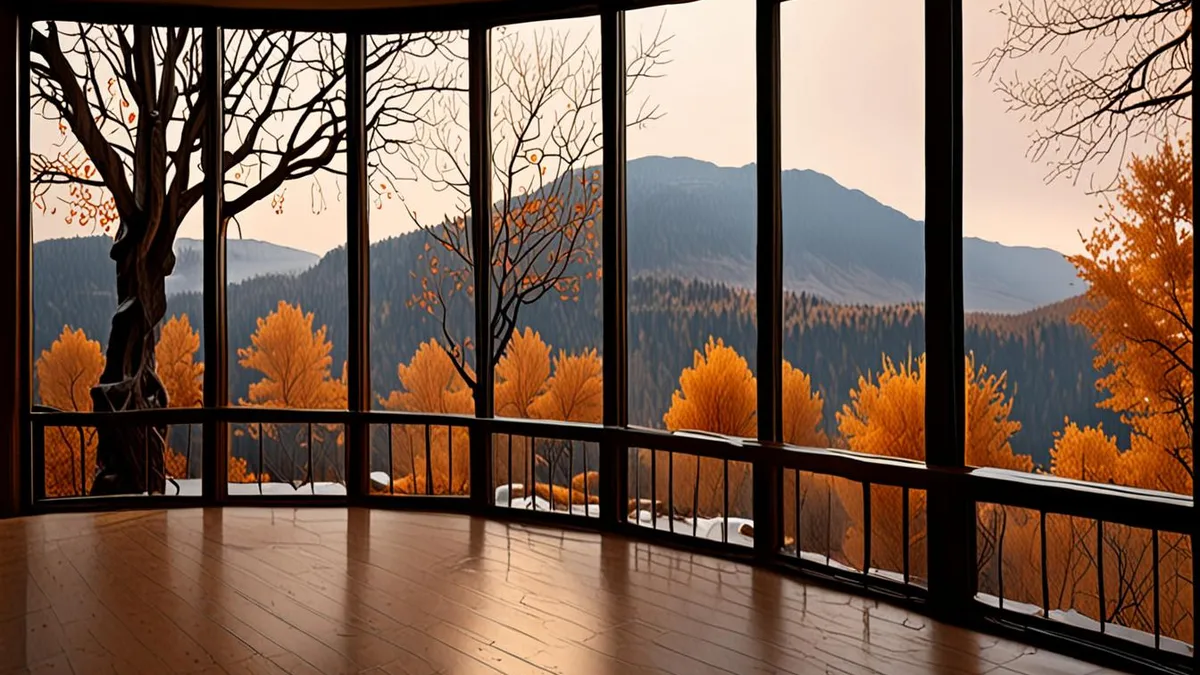
The Cons: Weather, Closures and Reduced Service
Now for the honest part: off-season savings come with trade-offs, and some of them matter a lot depending on who you’re traveling with. The most important is facility closures. Kids’ clubs and water parks may shut down entirely in low season, and some restaurants close too. For families with young children, that can be a dealbreaker rather than an inconvenience, so it needs to be checked before booking, not after arrival.
Weather risk in tropical months
Beach destinations in hurricane season, which runs June through November in the Caribbean and similar regions, carry a real chance of storms and choppy swimming conditions. A week of gray skies and rough surf can undo much of the value of a discounted rate. If you’re set on a tropical low-season trip, build flexibility into your plans and consider travel insurance.
Thinner service all around
Even away from the tropics, expect reduced operations. Spas, tour desks and shuttle services often run on reduced hours or limited schedules, so the massage you wanted on a Tuesday might only be available on weekends. All-inclusive resorts are a special case: when occupancy drops, some switch to limited menus or fewer a la carte options than they advertise in high season. If you’re weighing that style of stay, our article on all-inclusive versus a la carte resorts explains how the two models differ and which suits a quieter trip better. None of these downsides are hidden once you know to ask, which is exactly what the next section covers.
What to Expect Day to Day in Low Season
The first thing you notice in low season is the pace. There’s no morning scramble for pool chairs, no waiting list for the good tables, and no line at the swim-up bar. Staff tend to be more relaxed and more available, so it’s easier to get recommendations, book a last-minute treatment, or simply have a real conversation with the people running the place.
Beaches and grounds feel almost private. With far fewer guests sharing the property, you can walk to the water at peak hour and still find space to spread out. If you’ve ever visited a resort in high season and felt like you were sharing your vacation with a small town, the contrast is striking.
Know what’s actually open
Closures vary by resort and by month, so ask before you book rather than after you arrive. A kids’ club or water park that runs all summer may shut down entirely when occupancy drops. The same goes for restaurants, some of which rotate to limited menus or reduced hours. A quick email to the resort listing the facilities you care about will save you disappointment.
Have a plan for gray days
Low season often brings a better chance of overcast or rainy weather, so build in indoor options. A long spa afternoon, a cooking class, or a half-day trip into the nearest town can turn a washout into one of the more memorable parts of the trip. Also check whether the resort runs its full entertainment schedule or scales it back; nightly shows and activities may be trimmed to weekends only. If you’re happy entertaining yourself, none of this matters much. If you rely on the resort to keep everyone busy, it matters a lot.
How to Book an Off-Season Resort Stay
Booking an off-season stay isn’t complicated, but a few habits separate a good deal from a great one. Because off-season pricing typically runs 20-40% below high-season rates, it pays to be deliberate about when and how you book. Follow these steps in order and you’ll avoid the most common mistakes travelers make when chasing lower prices.
- Book 2-3 months ahead. Off-season inventory is limited because many resorts reduce the number of rooms and room types they open. Booking a couple of months out usually secures the lowest rates before the best categories disappear, and it gives you time to confirm what will actually be open during your stay.
- Compare the total cost, not the nightly rate. Resort fees, taxes and mandatory charges don’t take a vacation just because rates drop. A tempting base price can balloon once these extras are added, so read up on what resort fees really cover and how to budget for them before you commit. The final bill should match the price you saw advertised.
- Prioritize flexible cancellation. If you’re traveling to a tropical destination between June and November, weather is the main wildcard. Choose a rate that lets you change or cancel with reasonable notice, and read the fine print carefully on how close to arrival you can adjust. A slightly higher flexible rate often beats a locked-in bargain you can’t touch.
- Aim for the shoulder-season windows. For beach destinations, May and September-October often deliver the best price-to-weather ratio: rates have dropped, crowds have thinned, but the weather and most services are still close to full strength. You get much of the savings with far less of the risk.
One last tip: after you book, call or email the resort to reconfirm the facilities and services that matter to you. Ask specifically about restaurants, pools, spas and any kids’ facilities if you’re traveling with children, since closures vary by property and month. A two-minute conversation now beats a surprise at check-in, and it gives the resort a chance to flag anything that will be closed during your dates. If something essential to your trip won’t be running, you’ll still have time to adjust your plans or switch properties while availability remains reasonable.
Best Destinations and Trip Types for Off-Season Stays
Off-season travel doesn’t suit every trip, but for certain travelers and destinations it’s close to ideal. The key is matching the destination’s low season to what you actually want from the trip.
Couples and adults without kids
Adults without children tend to benefit most from low-season resort stays, simply because they lose the least. Family-focused facilities like kids’ clubs and water parks are typically the first to close or scale back, so travelers who never used them anyway sacrifice nothing. What they get in return is a quieter pool, easier dinner reservations and attentive staff with time to spare.
Mountain and wine destinations
Mountain resorts in early December or April suit skiers and riders who value quiet slopes and short lift lines over perfect snow. Conditions can be variable at the edges of the season, so go in with realistic expectations and check snow reports before you commit. Wine regions, on the other hand, shine in the shoulder months, when the harvest crowds have faded but the weather stays mild and the wineries are still welcoming visitors. If that appeals to you, relaxed escapes like Mendoza wine resorts show how rewarding the quieter months can be.
Beach trips, timed carefully
Beach destinations work best in May or September-October, which sit outside the August-October peak of Caribbean hurricane season. You trade a small amount of weather certainty for far smaller crowds and noticeably lower rates. Whatever destination you choose, the same rule applies: confirm what’s open before you book, and the low season will usually reward you.
Wrapping Up: Are Off-Season Resort Stays Worth It?
So, are off-season resort stays worth it? In most cases, yes — with a caveat. You’re trading some weather certainty and facility access for serious savings on the same rooms, plus far fewer crowds sharing the pool, beach and restaurants with you. For many travelers, that trade is an easy win.
The sweet spot is usually shoulder season, when prices drop but the weather and most services remain largely intact. If you’re eyeing deep low season instead, the single most important step is simple: check with the resort about what stays open before you book. One email can save you from arriving to a shuttered kids’ club or a reduced restaurant lineup. Have you tried an off-season resort stay? Share your experience in the comments, or pass this article along to someone planning their next trip.