You booked the all-inclusive resort, pictured yourself sipping cocktails by the pool all week, and assumed the drinks were simply covered. Then you spot the fine print: a daily cap on how many drinks you can order, surcharges for anything poured from a premium bottle, and a minibar that costs extra. All-inclusive drinks packages can still be a great deal, but the reality is usually narrower than the brochure suggests.
This guide walks you through how all-inclusive drinks packages actually work, from what counts as “included” to the hidden limits that quietly inflate your bar bill. You’ll learn how to read the fine print before booking, when it makes sense to pay for an upgraded tier, how to budget for drinks the package won’t cover, and how to pick a resort whose drinks policy matches the way you actually drink.
What All-Inclusive Drinks Packages Actually Cover
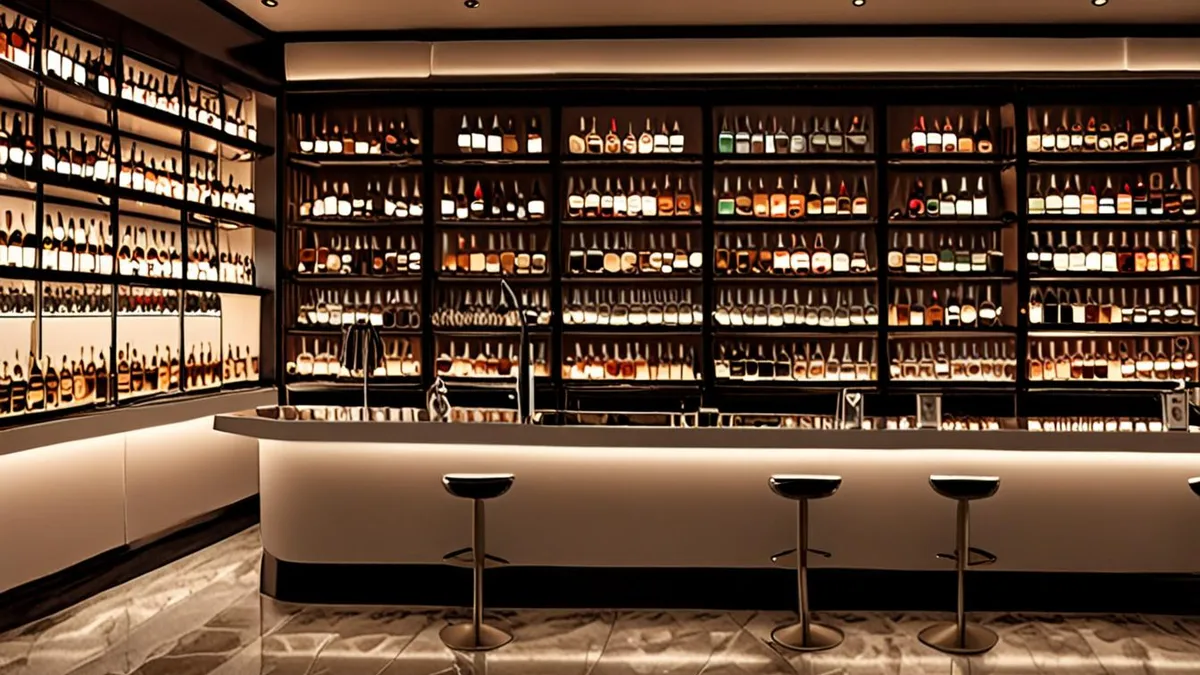
Most standard plans follow a similar pattern: they cover house-brand spirits, local beers, house wines and basic soft drinks. That means the rum in your piña colada comes from the resort’s own bulk supply, not the top-shelf bottle you can see behind the bar. If you want a specific name-brand gin or a single-malt whisky, expect to pay for it separately.
Cocktails: included, but with a catch
Yes, cocktails are usually part of the package, but they’re typically mixed with the included house liquors rather than the premium bottles displayed behind the bar. A margarita made with house tequila is covered; one made with a premium reposado usually isn’t. Some resorts offer a short list of signature cocktails on the plan, with everything else priced à la carte, so it pays to ask which is which on your first night.
The drinks people forget to ask about
Coffee drinks beyond basic brewed coffee, fresh juices and energy drinks are often excluded or only partly covered. A cappuccino at the lobby bar or a fresh orange juice at breakfast might land on your folio even though the rum and coke next to it is free. These small charges add up over a week, so ask at check-in exactly which beverages fall outside the plan before you order them by default.
The Hidden Limits That Raise Your Bar Bill
This is where the deal shrinks. Some plans limit guests to a set number of drinks per day, commonly somewhere in the range of 5-15 per person, and anything beyond that is charged at full bar prices. If you’re a couple spending all day at the pool, those caps can arrive faster than you’d expect, especially once a welcome drink and a poolside beer count toward the total.
Then there’s the premium problem. Premium-label spirits and bottled wines often cost 30-60% of bar menu prices even under all-inclusive, so “included” doesn’t mean “free” if you care about what’s in your glass. Premium wine by the bottle often runs $40-100+ while only house pours are covered. Beyond the bar itself, several other exclusions catch guests off guard:
- Minibar restrictions: the in-room fridge is frequently excluded from the plan or restocked only every 1-2 days, so a late-night drink from your room usually goes on your bill.
- Room service drinks: food delivered to your room may be included, but the beer or wine that comes with it is a common exclusion at many resorts.
- Poolside and beach premium options: some venues serve a separate premium menu, and waiters may offer the upgraded pour by default without mentioning it costs extra.
- Specialty venue exclusions: certain bars or lounges, especially rooftop or nightclub-style spots, may not honor the package at all.
The pattern here is simple: the base package covers the basics, and everything that feels like an upgrade gets charged. Knowing where those charges hide is half the battle.
How to Read the Drinks Fine Print Before Booking
Most booking pages summarize an all-inclusive drinks package in a single cheerful line, while the actual terms live in the rate details, the fine print, or a PDF the resort will send if you ask. Reading it takes about ten minutes, and doing it before you pay the deposit is far easier than arguing a surprise charge at checkout. Bring up the confirmation email, open the rate description, and work through the steps below in order. If anything is unclear, write to the resort and get the answer in writing before you commit.
- Scan for limiting language. Phrases like “selected brands,” “house wines only” and “unlimited local drinks” are red flags that the package is narrower than it sounds. “Local drinks” in particular often means domestic beer and spirits only, with anything imported charged separately. If the wording is vague, ask them to list exactly which brands are included.
- Check for caps and surcharges. Look for whether the plan lists a daily drink limit, excluded venues or premium surcharges. If the description doesn’t mention a cap, email or call the resort and ask directly how many drinks per day are included and which bars honor the plan. Get the reply in writing so you have something to reference at check-in.
- Confirm the tipping policy. Find out whether gratuities are part of the rate, because bar staff commonly expect $1-2 per drink when tips are not included. On a pool-heavy week, that alone can add a meaningful amount to your budget, so plan for it rather than being caught off guard.
- Ask what happens at specialty venues. Even if the main bars are covered, confirm whether the beach bar, swim-up bar and dinner-show venues apply the same terms. Some resorts run these outlets under separate menus, and a drink that’s free at the lobby bar can show up on your folio two venues away.
If the resort can’t answer these questions clearly in writing, treat that as information too. A vague policy usually means the exclusions are real, and you’re better off knowing that before you book than after your first bar tab arrives. Ten minutes of reading now beats a week of polite disputes with the front desk later.
When Upgrading Your Drinks Package Makes Sense
Most resorts sell their drinks packages in tiers. The standard plan covers house brands, while an upgraded tier typically adds $20-60 per person per day and opens up premium spirits, imported beers and better wines. Before you click that checkbox, it helps to know who actually benefits.
Who comes out ahead
Heavy drinkers who prefer name-brand spirits are the clear winners. If you normally order Jack Daniel’s instead of the house whiskey, or Grey Goose instead of the local vodka, you often break even within 3-5 drinks a day. Since a premium cocktail at a resort bar can easily cost what a full upgrade tier adds per day, three or four name-brand pours can cover the difference on their own.
Light drinkers are in a very different position. If you have two beers by the pool and a glass of wine at dinner, the house versions included in your base plan will probably taste fine, and the upgrade money is simply wasted. Wine-by-the-glass guests also tend to lose out, because many mid-tier plans already include acceptable house pours by the glass, and the upgrade mainly buys you bottles you may never order.
Do the math before you commit
The fairest comparison is between the upgrade cost and what you would realistically pay a la carte. Keep in mind that even without an upgrade, you will not necessarily pay full menu price for every premium drink, since many plans still apply a reduced surcharge to top-shelf orders. If the math shows you would spend less on occasional premium surcharges than on a week of upgrade fees, stick with the base package and pay as you go.
Budgeting for Drinks Beyond the Package
Even the most generous drinks package will not cover everything, so it pays to budget for the gaps. If you expect premium cocktails, name-brand spirits or a bottle of wine with dinner, set aside an extra $15-40 per person per day. That cushion covers the moments when the house rum will not do, or when you want a proper bottle rather than the included house pour.
Do not forget gratuities
Tips are the line item that surprises travelers most often. At many all-inclusive resorts, gratuities are not part of the plan at all, so a small cash tip for every round is simply part of the cost of drinking. On a pool day with six or seven rounds, those small amounts add up faster than you might expect. Before you budget, check whether your resort has a no-tipping policy, because practices vary widely between chains and countries. Some properties actively discourage tipping, while others leave it entirely to your discretion.
Look at the whole bill, not just the bar tab
Bar costs rarely exist in isolation. Resort fees, Wi-Fi charges, spa extras and activity add-ons can all compound your final bill, so budget the entire stay rather than drinks alone. If you want a clearer picture of what those mandatory charges actually pay for, this guide to what resort fees really cover and how to budget for them breaks it down in detail. Adding up drinks, tips and fees before you book gives you a realistic trip cost instead of a nasty checkout surprise.
Choosing Resorts With Drinks Terms That Fit You
Not every all-inclusive deal suits every traveler, and the drinks policy is often where the fit or mismatch shows up first. A package that sounds generous on the booking page can feel restrictive once you are standing at a bar that does not honor it.
Mixed drinking habits in one group
Couples and groups with very different drinking habits should compare all-inclusive pricing against a la carte options. If one of you drinks three cocktails a day and the other has a single glass of wine at dinner, a per-person package rate may mean one guest is subsidizing the other. Some resorts let you price both models, and splitting your stay or choosing a resort with flexible meal plans can save real money.
Where the package actually works
Before locking in a rate, check how many bars and venues honor the package. Some plans exclude specialty restaurants, beach bars, swim-up bars or the nightclub, which are exactly the places you may want to use on vacation. Ask the resort or your travel agent for a list of included venues, and note any that require reservations or carry surcharges.
Finally, match the drinks policy to your trip style. A honeymoon couple planning poolside afternoons needs different coverage than a group that wants evening cocktails in every lounge. Choosing the policy that fits how you actually travel, rather than the one with the flashiest marketing, is the simplest way to avoid bar bill regret.
The Bottom Line on All-Inclusive Drinks Packages
Most guests book all-inclusive expecting a truly unlimited bar, only to find the deal is narrower than the brochure suggests. In practice, these packages typically cover house-brand spirits, wines and beers, while premium labels, minibar restocking and certain venues often come with extra charges. Daily caps of 5-15 drinks and surcharges of 30-60% on premium pours are the two limits that most often shrink the value of the deal.
The fix is simple: read the drinks terms before you book, then weigh an upgrade of $20-60 per person per day against your real drinking habits. Budget for tips of $1-2 per drink separately if gratuities are not included. Do that math honestly and the package will either pay for itself or you will know exactly what to expect on the final bill. If this helped you, leave a comment or share the article with a travel partner.