Scroll through any glamping site and you’ll see yurts, safari tents and geodesic domes that look almost identical in the photos: a stylish round or angular structure in a scenic spot, promising a bed, a view and a touch of adventure. But the yurt vs safari tent vs dome question matters more than it seems, because each structure handles weather, space and comfort very differently.
That difference shows up in your trip. A dome that feels magical in October can turn into a greenhouse in July, and a safari tent that’s perfect in August may feel thin-walled on a cold spring night. In this guide, we break down the core differences between the three stay types, match each one to the right climate and season, compare comfort and sleeping space, look at what’s actually inside, share booking tips to avoid surprises, and finish with a clear match for your trip style and budget.
Yurt vs Safari Tent vs Dome: The Core Differences at a Glance
At first glance, all three structures promise the same thing: a comfortable bed under canvas or panels with nature right outside. The differences come down to how each one is built, and that construction shapes when you should book it.
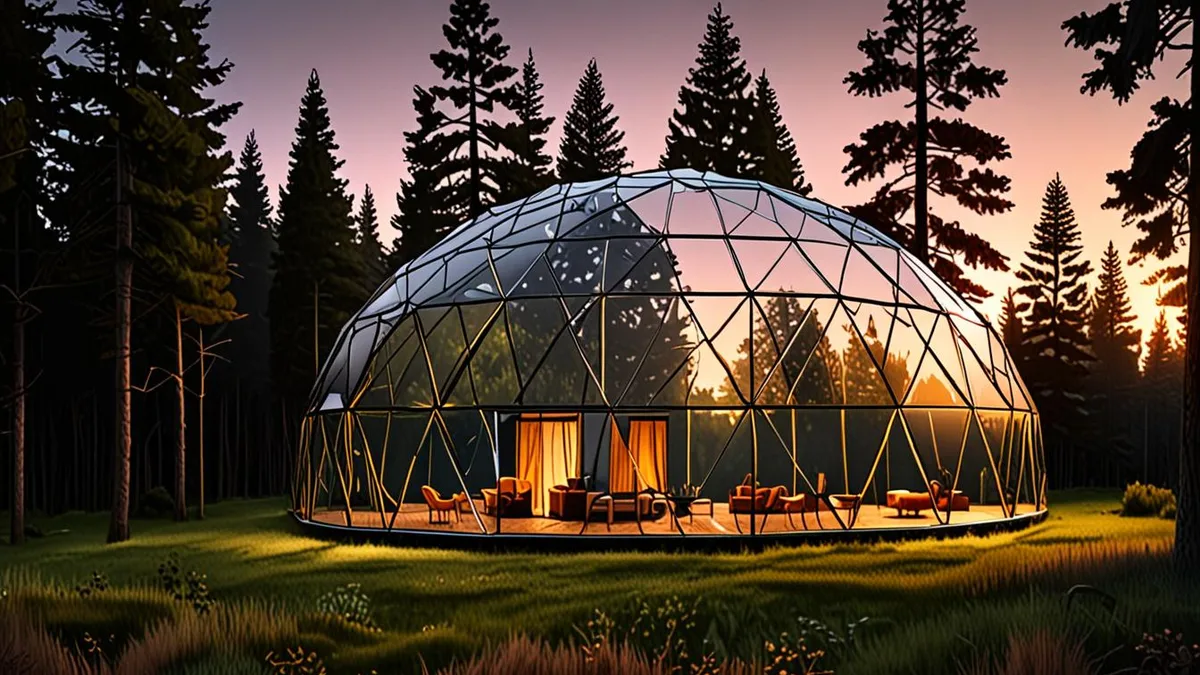
A yurt is a round structure built from a lattice frame covered in canvas, topped with a solid roof and often insulated walls. That solid engineering is why yurts are the best insulators of the three and the most likely to be offered year-round, including in winter. A safari tent is a large canvas tent stretched over a fixed frame, usually with a veranda or deck out front. It’s designed for warm-weather comfort: airflow, shade and that classic porch-with-a-coffee feel. A dome is built from triangular geodesic panels, often partly transparent, which is exactly why domes are prized for views and stargazing from bed.
Quick comparison
Capacity tends to favor yurts, which typically sleep 2-6 guests, while safari tents and domes usually sleep 2-4. On price, yurts run roughly $120-$300 per night, safari tents about $150-$400, and domes around $180-$450, though amenities at a specific site can shift any of these. As for season: yurts work across the calendar in cold-capable sites, safari tents suit warm, dry stretches like May-October in most US regions, and domes shine in shoulder seasons or clear nights when summer heat is manageable.
Keep these three profiles in mind as you read on, because climate, group size and amenities will quickly narrow your choice.
Choosing by Climate and Season
Weather is the single biggest factor in whether a glamping stay feels magical or miserable, and each structure has a clear comfort window. Yurts with insulated walls and a wood stove handle cold months well, which makes them the pick for winter trips or chilly shoulder-season weekends when canvas options are closed or uncomfortable.
Safari tents are canvas-only, with no insulation to speak of, so they suit warm, dry windows roughly May-October in most US regions. Outside that stretch, a cold snap or a storm can make for a damp, shivery night. Domes sit in an awkward middle: those clear panels are wonderful for stargazing, but they can heat up fast in direct summer sun. Before booking a July stay, ask the host about shading, tree cover or air conditioning.
Tips for matching the month to the structure
- Ask about the wood stove supply. Many yurt hosts provide firewood or offer it for purchase on site, so confirm how it’s delivered before a winter trip.
- Check tent orientation. A safari tent facing afternoon sun will run noticeably hotter inside than one shaded by trees or facing east.
- Confirm ventilation in domes. Some domes have roof vents or small fans that make a big difference on warm nights.
- Watch early-season snowmelt. In mountain regions, a yurt may be bookable in spring while the access road is still muddy or snowy, so ask about the final approach.
To line up your dates with the right structure, use a month-by-month guide to glamping seasons in the US and match your travel month before you commit to a stay type.
Comfort, Space and Who Each Stay Suits
Space and sleeping arrangements differ more between these structures than most travelers expect, and the difference matters most when you’re not a couple of two.
Capacity and layout
Yurts typically sleep 2-6 guests, which makes them the natural pick for families or small groups sharing one big open room. Bunks and futons are common, so everyone sleeps under the same round roof. Safari tents usually sleep 2-4 and often include real beds, dressers and other furniture, plus a covered porch where you can sit out a rain shower. Domes typically sleep 2-4 and lean romantic: a skylight over the bed, panoramic windows and a layout built for couples chasing views rather than groups.
Privacy and shared space
Think about how much separation your group needs. Domes and yurts are single open rooms, so there’s no door to close between the people who stay up late and the ones who don’t. Some safari tents add separate sleeping areas or an inner tent, which gives parents a bit of distance from kids or splits a group of friends more comfortably. If anyone in your party needs their own corner, that detail is worth confirming with the host before you book rather than discovering it at check-in.
What You Get Inside: Bathrooms, Kitchens and Amenities
The biggest comfort differences between yurts, safari tents and domes often come down to plumbing, not the structure itself. All three stay types vary widely by site: some units have a full en-suite bathroom with a flush toilet and hot shower, while others rely on a shared bathhouse a short walk away or a private cabin bathroom a few steps from your tent. Neither setup is better across the board, but the walk-to-a-bathhouse option changes how you pack and plan your mornings, especially with kids.
Safari tents tend to lead on outdoor living space. They most often include a private deck with chairs, a small table and sometimes a fire pit, which effectively doubles your living area in good weather. Domes lean toward indulgent extras instead: depending on the site, you may find a private hot tub, a telescope set up for stargazing, or skylights positioned right over the bed.
Yurts in colder regions frequently include a wood stove, which keeps the single round room cozy even on frosty nights. Kitchens, however, are usually shared or outdoor rather than in-unit, so expect a common cookhouse or a covered cooking station rather than a full private kitchen. If self-catering matters to you, this is one of the clearest divides between stay types, and it is a good example of how glamping comfort sits on a spectrum compared to a standard campsite, as explained in this guide to glamping versus camping costs and comfort.
Before you book, ask specific questions rather than assuming hotel-level comfort. Heating and cooling methods, Wi-Fi reliability and the number of power outlets all vary enormously, even between units at the same site.
- Bathroom setup: Ask whether the unit is en-suite, and if not, how far the bathhouse or cabin bathroom is and whether it is shared with other guests or reserved for your unit.
- Water and hot water: Some canvas structures have limited or seasonal plumbing, so confirm whether showers are hot and unlimited or metered.
- Kitchen equipment: If cooking is shared or outdoor, ask what is provided, such as a camp stove, grill, cooler or basic cookware, and whether you need to bring your own.
- Heating and cooling: Confirm whether heat is a wood stove you tend yourself or a thermostat-controlled unit, and whether fans or AC are available for warm nights.
- Power and charging: Some sites run on solar with limited outlets, so ask how many charging points are in the unit and whether hair dryers or electric kettles are practical.
- Wi-Fi and cell signal: Coverage can be weak by design at remote sites, so check whether you can stream, work or simply make calls if you need to.
How to Book the Right Stay and Avoid Surprises
Glamping sites are small, which means the best units disappear early. A little planning goes a long way toward avoiding a soggy tent, a cold night or a surprise fee at checkout. Follow these steps before you pay.
- Book early for peak weekends. In popular US glamping regions, peak-season weekends often need booking 2-4 months ahead. Small operators may only have a handful of units, so waiting rarely pays off.
- Check the minimum stay. Most glamping stays require a minimum 2-night booking on weekends. If you can only escape for one night, look at midweek dates or ask the host directly.
- Read recent reviews for your unit type. Look for comments about weather exposure, noise and cleanliness. A canvas safari tent may rustle loudly in wind, while a dome with clear panels may show every smudge. Filter reviews from the past year if the platform allows it.
- Confirm exactly what is included. Linens, firewood, cooking gear and bathrooms vary widely between sites, so ask before assuming. Read the cancellation terms carefully too, since small glamping operations often have stricter policies than hotels.
It also helps to think about the site itself, not just the structure. The setting, access road and nearby activity shape your stay as much as the tent or dome does. If this is your first trip, choosing the right glamping site for your first trip can walk you through evaluating location and host quality. A few questions sent to the host before booking usually prevent most disappointments.
Matching the Stay to Your Trip Style
The easiest way to choose is to start with your trip, not the tent. Think about when you’re traveling, who’s coming along, and what you want to spend your evenings doing. Each structure has a clear sweet spot, and picking within that sweet spot almost always leads to a better stay.
Choose a yurt if you’re heading out in cold weather or traveling with a group. Because yurts typically sleep 2-6 guests, splitting the nightly rate among four or five people often makes them the best value per person of the three options. A winter trip with friends, everyone sharing one warm round room, is classic yurt territory.
Choose a safari tent if you want warm-season comfort with a family in tow. These suit the roughly May-October window in most US regions, and the covered porch plus real furniture gives you that classic canvas-lodge feel. Kids get room to spread out, and parents get a deck for morning coffee.
Choose a dome if it’s a couples’ trip built around stargazing or a dramatic landscape. A clear panel overhead with the lights off is hard to beat for two people, and domes typically sleep 2-4, so they’re best when intimacy matters more than space. Just remember that domes can heat up in direct summer sun, so they shine most when the weather is manageable.
Budget-wise, the three overlap more than you might expect: yurts run roughly $120-$300 per night, safari tents $150-$400, and domes $180-$450. That means season, location and amenities often move the price more than the structure itself, so compare specific sites rather than ruling a type out on cost alone.
- For a group of four splitting a $240 yurt, you’re paying around $60 per person per night, a per-head rate a dome for two can rarely match.
- Rainy-day travelers should lean yurt or safari tent: solid floors and covered porches give you usable outdoor space even when the weather turns.
- If your trip’s whole purpose is the night sky, prioritize a dome with transparent panels and ask the host about light pollution from nearby towns.
- Honeymooners and anniversary couples often get more romance per dollar from a mid-range dome than from the priciest safari tent at the same site.
- Multi-generational trips with grandparents, parents and kids usually fit better in a large yurt than in any single safari tent or dome.
Wrapping Up: Finding Your Fit Among Yurts, Safari Tents and Domes
So which one is yours? If your trip falls in the colder months, a yurt with a wood stove is the clear pick, and its capacity for 2-6 guests makes it the best value for families or small groups. Safari tents shine in warm, dry weather, especially roughly May-October, when that porch-and-canvas comfort feels unbeatable. Domes are the choice for couples chasing views and stargazing, as long as summer heat is manageable.
Price ranges overlap across all three, so the season, amenities and booking window matter more than the stay type alone. Reserve peak-season weekends 2-4 months ahead to lock in the best units, and confirm heating, bathrooms and what’s included before you pay. In the end, your travel month, group size and comfort priorities will point you to the right stay. Found your fit? Leave a comment or share this article with a friend planning a trip.