Booking your first glamping trip is exciting until you start wondering what the bathroom and kitchen actually look like. Listings love to show canopy beds, string lights and mountain views, but the glamping bathroom and kitchen setup is where comfort quietly lives or dies. A tent with a gorgeous deck can still mean a cold shower in a shared bathhouse and a single camp stove with two dented pots.
This guide walks you through exactly what to check before you book. We’ll cover why these two areas make or break your stay, which bathroom features signal real comfort, how kitchen setups range from a basic propane burner to a full cook’s kitchen, and what to expect at each price point. You’ll also learn how to verify the details through reviews and direct questions, and how to match the setup to your trip style and season. By the end, you’ll be able to filter out the listings that oversell comfort and book with confidence.
Why the Glamping Bathroom and Kitchen Setup Makes or Breaks Your Stay
Ask anyone who has paid top dollar for a glamping stay and they’ll tell you the same thing: the bedroom is rarely the problem. What separates a $90 tent from a $400 luxury unit is almost always the quality of the bathroom and kitchen. A canvas tent with a private ensuite, instant hot water and a proper kitchenette feels like a boutique hotel. The same tent with a communal bathhouse and a cooler full of ice feels like camping with extra steps.
The photo problem
Listings tend to lead with their strongest visuals: the bed dressed in linen, the view from the deck, the fire pit at sunset. Bathrooms and kitchens often appear as a single dim photo, or not at all. That’s no accident. A dated shared shower block or a kitchenette with one scratched pot doesn’t sell as well as a four-poster bed, so hosts quietly leave those details out of the gallery.
Why check these two areas first
Making the bathroom and kitchen your first filter saves you from the most common glamping disappointment. If a listing can’t clearly show or describe its water, toilet and cooking arrangements, that vagueness tells you something. Properties that are genuinely comfortable usually put their facilities front and center, because they know that’s what repeat guests care about. Everything else — the views, the activities, the décor — is easy to evaluate from photos. The plumbing and the pots are not.
Bathroom Features That Signal Real Comfort
The single biggest comfort upgrade in glamping is a private ensuite bathroom. Look for listings that clearly state they include a flush toilet, a hot shower and a real sink inside the unit or attached to it. If you’re new to the whole concept, it helps to understand what glamping actually promises before comparing facilities. A shared bathhouse a short walk away can be perfectly fine, but it changes the experience, especially in the rain or at 2 a.m.
Hot water delivery is the detail that separates a good setup from a great one. Quality glamping units deliver warm water within 30–60 seconds of turning on the tap, usually via an on-demand propane or electric heater. Ask the host directly how long the wait is; if they can’t answer, that’s information too.
Don’t dismiss composting or dry toilets outright. They’re common and perfectly workable in off-grid units, as long as the listing mentions proper ventilation and privacy. A well-ventilated composting toilet with a solid door and a latched window is far more pleasant than a poorly maintained flush toilet in a damp shed.
Beyond the basics, small touches mark the difference between luxury and mid-range. Watch for these:
- Heated floors — a rare but genuine luxury feature that makes early mornings and late-night trips far more bearable in cooler weather.
- Good drainage — a properly sloped shower floor with a real drain trap, so water doesn’t pool around your feet or drain into the unit itself.
- Supplied towels — plush, generously sized towels provided by the host, which signals the operator has thought through the guest experience rather than treating the bathroom as an afterthought.
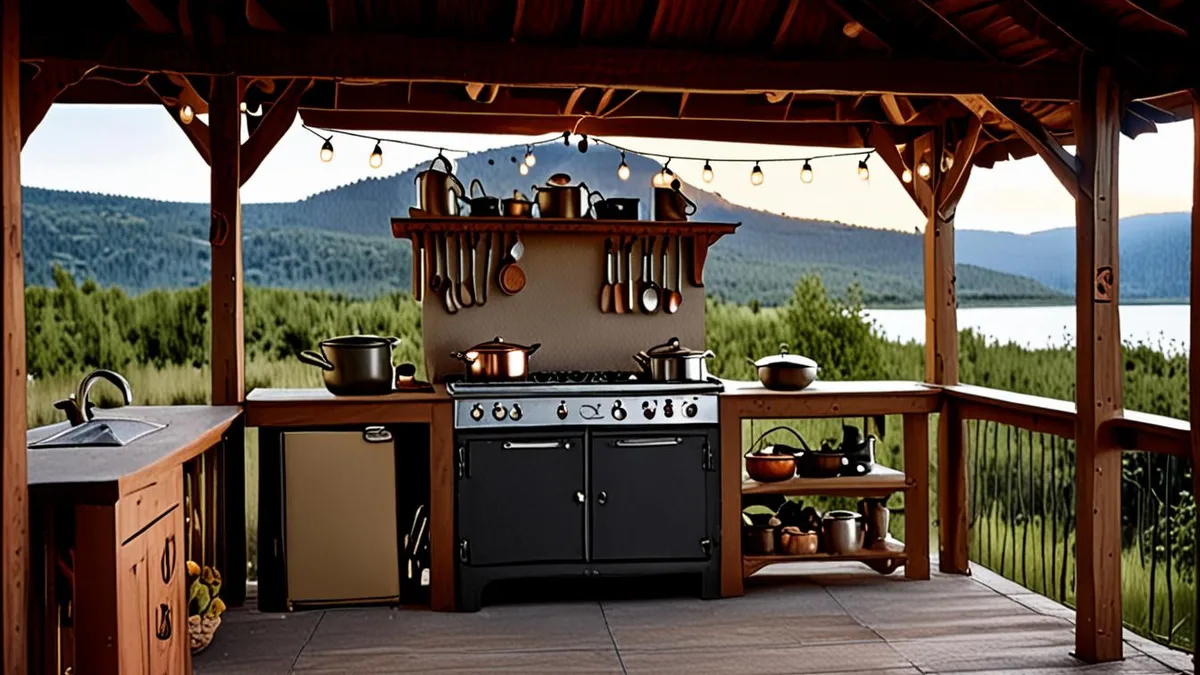
Kitchen Setup: From Basic Kitchenette to Full Cook’s Kitchen
Glamping kitchens vary enormously depending on the unit type. Tents and yurts typically offer a propane-powered kitchenette with a two-burner cooktop, which handles pasta, pancakes and one-pot meals well. Cabins are a different story: they usually include a full electric kitchen with an oven, a proper refrigerator and counter space you can actually work on. Match the setup to the meals you’re planning before you book.
The biggest booking mistake is assuming equipment is included. Some hosts provide everything down to a corkscrew; others leave you with an empty counter and a campfire. Confirm whether cookware, utensils, plates and a cooler or fridge are provided, and if not, work through a complete glamping packing checklist so you know exactly what to bring. Also verify the essentials: is there a clean, potable water supply, is there a coffee setup (French press, pour-over or machine), and is there food storage that keeps wildlife out? A sealed metal food box or a lockable cabinet matters far more than you’d think in bear and raccoon country.
Outdoor grills and fire pits are a genuine bonus for atmosphere, but treat them as a supplement, not a plan. If the fire pit is the only cooking option and it’s raining for two days, you’re eating cold sandwiches. A covered or indoor cooking option is what keeps a rainy trip enjoyable.
A few extra details worth asking about:
- Counter and prep space — a kitchenette with two burners but no surface to chop on turns every meal into a juggling act; a small table or board solves it.
- Fuel supply — find out whether propane canisters, charcoal or firewood are provided or sold on site, since running out mid-trip is a common frustration.
- Sink and dishwashing setup — a real sink with a drain beats a wash basin and a bucket, and knowing whether dish soap and a sponge are stocked saves you a shopping stop.
Shared Facilities vs Private Ensuite: What to Expect at Each Price Point
The biggest price jump in glamping usually comes down to one thing: whether the bathroom is yours alone. Understanding what each price tier typically includes helps you decide whether a shared bathhouse is a fair trade-off or a dealbreaker for your trip.
Budget sites: shared bathhouses
Budget glamping sites, usually in the $75–$150 per night range, typically rely on shared bathhouses located a short walk from your tent or cabin. These are often clean and perfectly functional, with proper plumbing and warm water on tap, but you will be walking outside at night and sharing space with other guests. If you want to understand how this compares to a traditional campground, this breakdown of glamping versus camping costs and comfort puts the differences in perspective.
Mid-range and luxury: private ensuites
Once you move into the $150–$500 per night range, private ensuite bathrooms become the norm rather than the exception. At this level you should expect a full private washroom inside or directly attached to your unit, complete with a sink, toilet and shower of your own, with no midnight walks across a wet field.
So which should you choose? Shared facilities are perfectly fine for a one- or two-night stay in warm weather, especially if the bathhouse is close by. For longer trips, cold-season travel or anyone who values privacy, a private ensuite is well worth the extra cost. Stepping out of a warm bed onto a cold path at 6 a.m. gets old fast, and a bathroom of your own removes that entirely.
How to Verify the Glamping Bathroom and Kitchen Before You Book
Listings can be surprisingly vague about the two areas that matter most, so a little verification before booking saves a lot of disappointment. Photos are usually the most flattering angle of the bedroom, not the shower stall or the cooktop, and written descriptions often bury the details under phrases like “rustic charm” or “back to basics.” The good news is that hosts generally answer direct questions quickly, and reviews often reveal what photos leave out. Treat the process as a short checklist rather than a chore — it takes about ten minutes and pays off for your entire trip. Work through these steps before you commit to a stay:
- Scan reviews for the specifics. Well-reviewed listings tend to mention water pressure, hot water and cooking equipment explicitly, because past guests remember those details most vividly. Use the search function on review pages for words like “shower,” “hot” and “kitchen” to pull up the comments that matter instead of scrolling through dozens of generic five-star notes.
- Message the host with direct questions. Ask plainly: is the bathroom ensuite, is the kitchen fully equipped, and is the water potable? Vague answers are themselves useful information — a host who dodges a simple question about the shower is telling you something.
- Request recent photos. If the listing only shows the bedroom and the view, ask for current photos of the bathroom and kitchen, ideally taken within the last season. Hosts with nothing to hide will send them without hesitation.
- Book early for peak season. High-spec units often need 3–6 months of lead time in peak season, because the best-equipped options sell out first and leave only the thinner listings for late planners.
Ten minutes of verification is the difference between a stay that matches the photos and one that doesn’t. Hosts who answer clearly and promptly are usually the ones whose properties deliver what they promise, and the ones who hesitate often have a reason. A short list of pointed questions, a careful read of guest reviews and a quick photo request will filter out the weak options long before you pack the car — and leave you free to look forward to the trip instead of worrying about the plumbing.
Matching the Setup to Your Trip Style and Season
The right bathroom and kitchen setup depends heavily on when you are traveling and who is coming with you. A setup that feels charming in July can feel miserable in January, so match the facilities to your trip rather than chasing the cheapest option.
Cold-weather trips
Late fall and winter travel calls for an indoor bathroom and heated water lines. In freezing temperatures, shared bathhouses become a genuine hardship, and outdoor plumbing can fail without backup heating. Confirm that water supply lines are protected and that the shower is inside your unit before booking any cold-season stay.
Summer and shoulder-season stays
Warm-weather trips flip the equation. Outdoor kitchens, grills and shared facilities become far more tolerable, even enjoyable, when the walk to the bathhouse is short and the evenings are mild. This is also where budget sites shine, since you get the glamping experience without paying for ensuites you barely need.
Travel style matters too. Family trips benefit enormously from private ensuites and a full kitchen, since cooking real meals and managing kids’ bath times is much easier with your own facilities. Couples, on the other hand, may prefer a compact setup with a comfortable bed, a two-burner cooktop and a grill for relaxed evenings outside. Think honestly about how you will actually use the space, then book accordingly.
Wrapping Up: Choosing a Glamping Bathroom and Kitchen Setup With Confidence
Choosing a glamping bathroom and kitchen setup with confidence comes down to knowing what comfort actually looks like before you pay. If a real bathroom matters to you, prioritize an ensuite with a flush toilet and hot water that arrives quickly, and look for a kitchen that’s genuinely equipped rather than a bare propane burner. These two details separate listings that deliver from those that oversell.
Match the facilities to your budget and season: shared bathhouses are typical at lower price points, while private ensuites are standard in mid-range and luxury units. Then verify everything through reviews and direct questions to the host before booking, especially for peak-season trips. If this guide helped you plan your first glamping trip, leave a comment or share it with a friend who’s booking too.