Both archipelagos promise overwater or beachfront luxury, but the two island destinations differ sharply in scenery, seasons and price, leaving travelers unsure which to book. This guide to Seychelles vs Maldives villas breaks down exactly where each destination shines, from granite boulders and jungle hills to flat coral atolls with one-island-one-resort privacy.
We compare how the villa styles themselves differ, when to book for the best weather and rates, what you can expect to pay per night, and how transfers and getting around work in each country. We also match each destination to different travel styles, from honeymooners seeking total seclusion to self-drive explorers, and finish with practical steps for choosing and booking the right villa for your trip.
Seychelles vs Maldives Villas: How the Two Island Stays Differ
The Seychelles and the Maldives are both Indian Ocean archipelagos, yet they deliver completely different versions of an island stay. The Seychelles, made up of 115 islands, is a landscape of dramatic granite boulders, jungle-covered hills and Creole culture, where villas share islands with local villages, restaurants and shops. The Maldives, with roughly 1,190 coral islands spread across 26 atolls, is all about flat white-sand scenery and one-island-one-resort privacy.
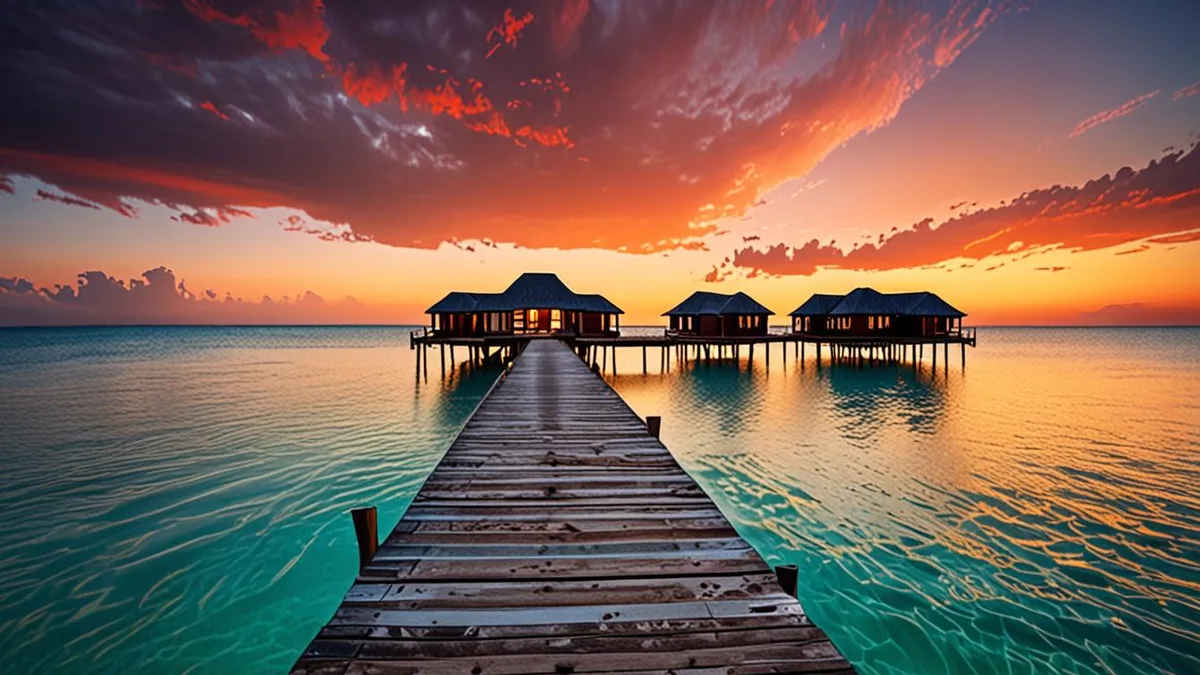
That difference shapes the villas themselves. In the Maldives, many villas sit overwater on stilts, with steps leading straight into a lagoon. In the Seychelles, villas are mostly beachfront houses on the sand or hillside homes with sea views, often with gardens, kitchens and outdoor living spaces rather than stilted decks.
Staying put vs exploring
Choose the Maldives if your ideal trip is settling onto a single resort island and letting everything come to you: meals, spa treatments, snorkeling right off your deck. Choose the Seychelles if you want variety from day to day, exploring by car or ferry, hiking in the hills, then eating Creole food at a local restaurant in the evening.
Best Seasons to Book Each Destination
Timing matters in both destinations, but in different ways, and getting it right can shape your whole trip. The Maldives has a clear split: the dry season runs from November to April, bringing the sunniest, calmest conditions, while May to October brings rain but noticeably lower villa rates. The Seychelles works differently, with two sweet spots in April-May and October-November, when seas are calm, winds are light and conditions are generally at their best for swimming and snorkeling. Neither pattern is a guarantee, since tropical weather can shift from year to year, but these windows are the most reliable starting point for planning. If your dates are flexible, let the weather patterns lead and build the rest of your trip around them, because villa availability and prices follow the seasons closely in both destinations.
The Seychelles trade-wind months of May to September can push seaweed onto some beaches, which is worth considering if a pristine swimming beach is your priority. This does not affect every shoreline equally, as beaches are oriented in different directions, so the same island can offer a weed-free swim at one bay and a seaweed line at another just a short drive away. Whichever destination you pick, book 6-9 months ahead for peak-season weeks to secure the widest villa choice. Late bookers still find options in the wetter or windier months, but the best-located properties move first.
- Maldives wet season trade-off: May to October showers are often short and intermittent, so you can still enjoy long stretches of good weather while paying well below dry-season rates.
- Seychelles shoulder-month advantage: The April-May and October-November windows fall outside the busiest peak weeks, so you get calm seas with more villa availability than in the height of high season.
- Beach orientation matters in Seychelles: Seaweed during the trade-wind months affects some beaches more than others, so ask villa hosts which nearby beaches face away from the prevailing winds.
- Last-minute peak-season risk: The most sought-after overwater and beachfront villas tend to fill first for peak weeks, leaving late bookers with fewer options and less negotiating room.
What Villas Cost in Seychelles vs Maldives
Villa rates differ between the two destinations, and so does what those rates include. In the Maldives, villa rates typically run from $300 to $2,000+ per night, with overwater styles at the top of the range. In the Seychelles, villas commonly cost $250 to $1,500 per night, with self-catering houses at the lower end of that span.
What your rate actually includes
Maldives resorts often bundle meals and transfers into their pricing, which makes budgeting simpler: you pay one figure and mostly stay on it. This matters because resort islands usually have no alternative restaurants or shops, so dining outside your rate is rarely an option.
Seychelles stays work differently. Because villas sit on shared islands with restaurants, shops and markets nearby, you can split lodging from dining costs. Booking a self-catering house and cooking some meals, or mixing villa breakfasts with inexpensive local Creole restaurants, can bring your total spend down significantly compared to a fully catered resort stay.
A useful way to compare is to calculate a realistic nightly total for each destination, including meals and any bundled extras, rather than comparing headline rates alone. A Seychelles villa at the lower end of the range with dining on top may cost similar to a Maldives rate that already includes full board, so check what each quote covers before deciding.
Getting There and Getting Around
Most trips to the Maldives begin with a landing at Velana International near Male, the capital. From there, your resort arranges the next leg: a speedboat for nearby atolls or a seaplane for more distant ones. These transfers typically take 30-60 minutes, and they are priced per person rather than per vehicle, which matters when you are booking for a couple or a family.
Seychelles works differently. International flights arrive on Mahe, the largest of the 115 islands, and many travelers simply stay there. If you want to move on, public ferries and short domestic flights connect Mahe to Praslin and La Digue, with journeys generally running 15-60 minutes depending on the island and mode of transport. Ferries are the budget-friendly option, while flights save time if seas are choppy.
Getting around once you arrive
The biggest practical difference between the two destinations shows up after check-in. In Seychelles, you can rent a car on Mahe or Praslin and explore independently: drive to a trailhead, stop at a roadside takeaway for grilled fish, or chase a different beach every afternoon. Buses and bicycles fill the gaps, especially on car-free La Digue.
In the Maldives, you generally stay on your resort island once the transfer drops you off. Day trips are limited to excursions the resort organizes, such as snorkeling boats or sandbank picnics. If your idea of a good holiday involves wandering, this is the single most important difference to weigh before booking.
Which Destination Fits Your Travel Style
The Maldives has built its reputation on seclusion. Resorts occupy one island each, so a honeymoon couple can walk the entire perimeter of their temporary private world in under an hour and never see anyone outside the resort staff. Overwater villas, with ladders straight into the lagoon, are the signature experience here, and many properties are designed specifically around couples rather than families. Meals, dives and sunset cruises all happen on the same island, which some travelers find blissfully simple and others find restrictive after a few days.
Seychelles appeals to a different kind of traveler. Its islands are shared, with local villages, markets, restaurants and working ports, so your days can mix beach time with genuine exploration. You can hike jungle trails in Morne Seychellois National Park on Mahe, browse the market in Victoria, and eat Creole dishes like octopus curry at a local takeaway rather than a resort buffet. With 115 islands scattered across the Indian Ocean, there is always another beach, trail or fishing village to discover, and renting a car or hopping a ferry keeps every day flexible.
- Active travelers: Seychelles offers marked hiking routes through palm forest and misty hilltops, plus the UNESCO-listed Vallee de Mai on Praslin, a rare palm forest that is easy to visit as a half-day trip.
- Divers and snorkelers: Maldives house reefs are world-class, often just steps from your villa deck, with regular manta and whale shark encounters on certain atolls depending on season.
- Mixed-interest groups: Seychelles combines varied dive sites with nature reserves and island-hopping by ferry, so divers, hikers and beach loungers can share one itinerary without compromise.
- Total-escapists: If your priority is simply not seeing another tourist for a week, the Maldives one-island-one-resort model is hard to beat.
How to Choose and Book the Right Villa
Choosing the right villa starts with one decision that has nothing to do with the villa itself: do you want shared-island freedom or single-island privacy? Answer that first, then filter your search accordingly. It shapes everything from how you get around to where you eat, so it deserves more thought than the villa photos do.
- Settle the island question. In Seychelles, villas often sit on shared islands with restaurants, shops and locals nearby, so you can wander out for dinner or groceries. In the Maldives, each resort occupies its own island, and everything you need is on-site. Every other choice follows from this, so make it before you browse listings.
- Price the transfer, not just the room. In the Maldives, seaplane and speedboat transfers are usually charged per person and can add hundreds to your total. If your international flight lands late, you may also need an overnight stay near Male before the transfer runs. Compare total trip cost, not nightly rates, and check transfer logistics with your operator before booking.
- Match your Seychelles island to your trip. Mahe suits travelers who want convenience, restaurants and easy access to hikes; Praslin is the pick for famous beaches like Anse Lazio; La Digue delivers slow days of cycling between coves with barely any traffic. If you plan to island-hop by ferry, factor that into how many nights you give each island.
- Book early for peak weeks. High-season dates fill fast in both destinations, and the best-value villas are claimed first. Lock in your dates well ahead if you are traveling during the busiest weeks.
Finally, read recent guest reviews with your own priorities in mind. A villa that is perfect for a honeymooning couple may frustrate a family with toddlers, and the reverse is just as true. Look for comments about noise, shade, kitchen facilities and the honesty of the listing photos. The right match depends on how you plan to spend your days, not just how the pool looks at golden hour.
The Bottom Line on Your Island Stay
So which island stay should you book? If scenery variety, self-drive exploring and slightly lower entry prices matter most, Seychelles takes it, with villas commonly running $250-$1,500 per night on shared islands you can actually roam. If your dream is an overwater villa, world-class house reefs and reliable dry-season sunshine from November to April, the Maldives is the stronger pick.
Both archipelagos reward early planners: for peak-season weeks, lock in your villa well before the crowds do, ideally half a year or more out, to get the widest choice of properties. Whichever way you lean, the right answer comes down to whether you want one perfect island or a handful of very different ones. Still torn between the two? Share your thoughts in the comments or pass this article along to a travel buddy.