You’ve picked your dates, you know you want to be outdoors, and then you hit the classic travel dilemma: book a beautiful glamping site with a real bed and a wood stove, or rent a campervan and let the road decide where you sleep each night. Both promise fresh air and memorable views, but they deliver them in completely different ways. That’s why the glamping vs campervan trips question deserves a proper look before you spend money.
In this guide, we break down the core difference between the two styles, compare costs including fuel and the hidden extras people forget, and look honestly at comfort, amenities and weather resilience. We also cover itinerary style, booking windows and seasonal planning, and help you figure out which option suits couples, families or road-trip lovers best. By the end, you should know whether your perfect escape is one curated base or many changing views.
Glamping vs Campervan Trips: The Core Difference
Glamping means arriving at a fixed, pre-set-up base. Think safari tents, geodesic domes or rustic cabins that already have real beds, heating and, in many cases, private bathrooms. You drive or fly to the location, park once, and everything is ready: linens on the bed, a fire pit outside, and often a host on hand if you need anything. There’s no setup, no packing down, and no decisions about where to sleep tonight.
How campervan trips work
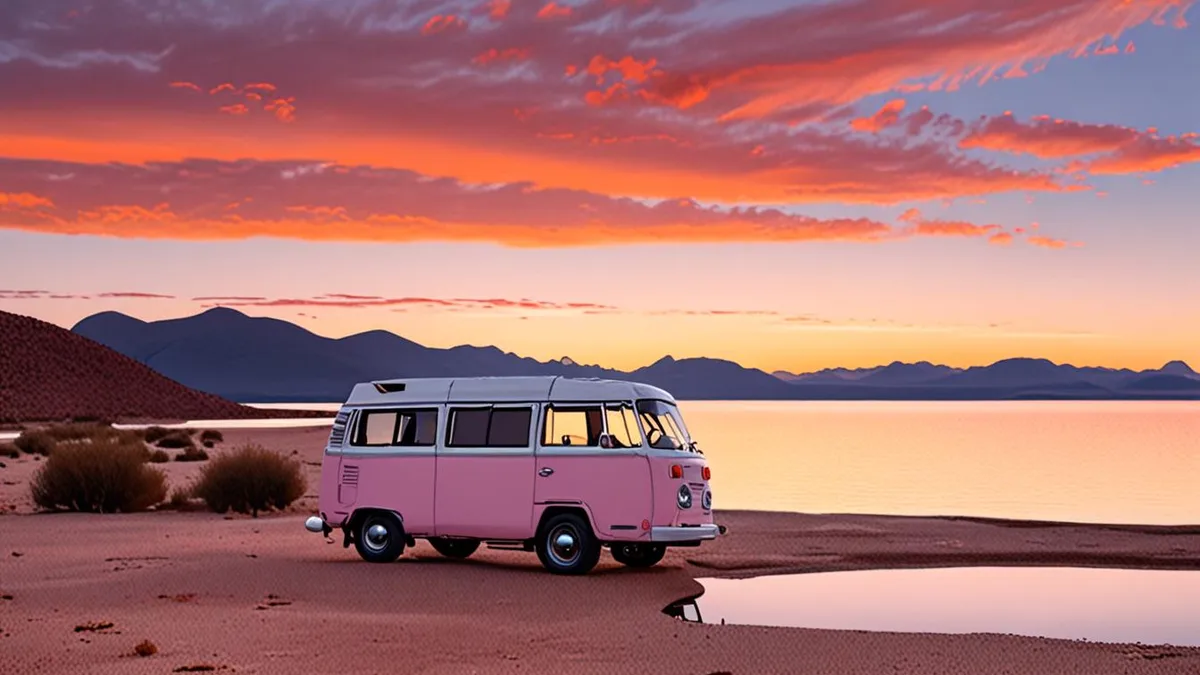
A campervan trip combines transport and lodging in one vehicle. Your bedroom, kitchen and sometimes a small bathroom travel with you, so you can wake up by a lake and end the day overlooking a canyon. You handle the driving, the refueling and the nightly choice of campsite, but in exchange you get a view that changes whenever you want it to.
The real trade-off comes down to stability versus mobility. Glamping gives you one curated location, usually chosen for scenery and comfort, where you can settle in deeply. A campervan gives you many changing views and the freedom to chase good weather or detour on a whim. Neither is better; they simply suit different travel personalities, and the sections below help you see which one matches yours.
Cost Comparison: Nightly Rates, Fuel and Hidden Extras
Glamping stays typically run from $100 to $400 per night depending on the tent type and location. A simple safari tent in a quiet region sits at the lower end, while a luxury dome with a private hot tub can easily hit the top of that range. The upside is predictability: once you’ve booked, there are no transport costs and no surprise expenses. The downside is that you’re locked in — if the weather turns or you want to move on, your money is already spent.
What a campervan really costs
Campervan rentals typically cost $75 to $200 per day, and that’s before you add fuel and campsite fees of $20 to $60 per night. On a week-long trip, those extras add up quickly, especially if you cover serious mileage. If you want a deeper breakdown of what drives these prices, our guide to glamping and camping costs and comfort goes into more detail.
Before comparing prices, factor in the campervan extras that rental quotes often leave out. Insurance can add a meaningful daily amount, mileage limits can trigger extra charges on long routes, and one-way drop fees apply if you pick up in one city and return in another. Add those to your total, then compare it against a fixed glamping booking. Sometimes the van wins on price; sometimes the tent does — the honest answer depends on your route length and how far you drive each day.
Comfort and Amenities: What You Actually Get
Glamping delivers the closest thing to a hotel experience in the outdoors. You get real beds with proper linens, en-suite or shared bathrooms, and often cooking handled for you — whether that’s a welcome basket, a campfire dinner or a full breakfast service. You simply show up with your clothes and enjoy it. For travelers who want nature without roughing it, that’s the whole appeal, and choosing the right time to go matters too; our month-by-month guide to glamping seasons in the US helps you pick a comfortable window.
Life inside a campervan
Campervans provide compact kitchens with a two-burner stove, small fridges and beds that convert from seating, but quarters are tight and hot water is limited. Showers are short and sometimes skipped in favor of campsite facilities. Cooking works well for simple meals, but expect to wash dishes in a small sink and store food carefully. Most people adapt within a day or two, though it’s a genuine lifestyle shift if you’re used to space.
Weather resilience is the other big difference. Solid glamping structures — domes, cabins and sturdy safari tents — handle storms far better than a night in a parked van. High winds and heavy rain feel very different when you’re in a canvas structure with heating versus a metal box in a dark parking spot. If your dates fall in an unpredictable season, that alone can tip the decision toward a solid structure.
Flexibility and Itinerary Style
The biggest question when choosing between these two styles is simple: how often do you want to wake up somewhere new? Campervans shine on proper road trips, where you cover 300 to 800 miles over a week and move camp every 1 to 3 nights. One morning you might wake up beside a lake, the next in a forest clearing, and the one after that near a trailhead you spotted on a whim.
Glamping works the opposite way. It suits single-base trips of 2 to 5 nights, where you settle into one location and let the days come to you. You hike in the morning, read on the deck in the afternoon, and return to the same tent each evening knowing your bed, your bathroom and your view are exactly where you left them.
Spontaneity versus curated experiences
If your ideal trip involves chasing good weather, changing plans mid-week or staying an extra night because a spot surprised you, a campervan is hard to beat. Everything you need is on wheels, so a change of plan costs nothing but a little fuel.
If you prefer curated moments, glamping sites usually win. Many offer stargazing decks, fire pits set up for you, guided hikes, kayaking or farm-to-table dinners. You trade the freedom to roam for experiences that have been thoughtfully arranged, which suits travelers who want the planning done for them.
Booking Windows and Seasonal Planning
Timing matters more for these trips than most travelers expect. Popular glamping sites often need booking 2 to 6 months ahead for summer weekends, especially during the peak season that runs May through October in most of the US. The most photogenic tents and domes in desirable regions go first, so if you have your heart set on a specific spot, book early rather than hoping for a cancellation.
Campervan rentals also sell out in peak season, particularly in well-known road-trip regions. The difference is flexibility: with a van you can chase milder weather by shifting regions, heading north when the south gets hot or moving toward the coast when inland areas heat up. Your accommodation moves with your plan.
Shoulder seasons are the smart traveler’s shortcut. In May, September and October, both styles typically cost less and availability pressure eases noticeably. Campsites are quieter, trails are emptier, and hosts are often more willing to accommodate short-notice requests.
- Midweek stays stretch your budget further. Both glamping sites and van-friendly campsites often price weekends higher than midweek nights, so shifting your arrival to a Tuesday or Wednesday can free up better units and pitches.
- Check cancellation policies before committing early. Booking months ahead for a summer glamping weekend usually means strict terms, so look for operators that offer a reasonable rescheduling window in case weather or plans change.
- Shoulder-season weather varies by region. May and October can bring cooler nights and occasional rain in some areas, so pack layers and confirm what heating or insulation your tent or van provides before you book.
Who Each Style Suits Best
Choose glamping if you travel as a couple or a family and want comfort with minimal planning. You pack a suitcase, drive to one memorable base, and everything else is handled: the bed is made, the bathroom works, and dinner might be a short walk away. It suits travelers who want the outdoors without giving up their evening routine.
Choose a campervan if you value route freedom and want to cover more ground. You accept compact living in exchange for waking up wherever you parked, and you build the trip around places rather than a single property. If sleeping in a space the size of a small bedroom for a week sounds fine, a van will reward you.
Group size often settles the debate on its own. Groups of 5 or 6 fit large glamping tents far more easily than most vans, which typically sleep 2 to 4 people. Squeezing six adults into one vehicle means shared sleeping areas, constant shuffling and very little privacy, while a family-sized glamping tent gives everyone room to spread out.
- Couples celebrating something special often prefer glamping. A furnished tent with a real bed and a private deck delivers a romantic setting that a parked van rarely matches, especially for anniversaries or first trips together.
- First-time campers should lean toward glamping too. If you’re unsure whether outdoor travel suits you, a single-base stay lets you test the experience without committing to a week of driving and daily setup.
- Vans suit travelers who like routine simplicity over space. If you can live out of a small bag, cook on a two-burner stove and don’t mind making the bed each morning, compact living becomes part of the appeal rather than a compromise.
If you’ve decided glamping is your style, it pays to pick the site carefully. Our guide on how to choose the right glamping site for your first trip walks through location, tent types and what to check before booking.
The Bottom Line
So which one wins? Glamping takes it on comfort, ease and predictable costs — your bed, bathroom and heating are already waiting when you arrive. Campervans take it on freedom and changing scenery, letting you wake up somewhere new whenever the mood strikes. Neither style is better; they simply answer different travel moods.
The real question comes down to this: do you want one memorable base or many stops along the way? And how much comfort do you need on the road while you get there? Answer those two honestly, and your choice makes itself. If you have taken a glamping trip or a campervan road trip you loved, tell us about it in the comments — or share this article with a travel partner who is still on the fence.