Choosing between a safari lodge vs tented camp is one of the first big decisions you’ll face when planning a trip to Africa, and it’s easy to get stuck. Both promise incredible wildlife, but they deliver very different experiences: one offers solid walls, pools and hotel-style service, while the other puts canvas between you and the sounds of the bush at night.
The right choice depends on your comfort level, your budget and how you like to travel, and it isn’t always obvious from a website photo. In this guide, we’ll break down the core differences between the two stay types, what each actually feels like on the ground, what you can expect to pay, and how season and location should shape your decision. We’ll also look at which option suits different kinds of travelers, how to book your stay, and a few final pointers to help you choose with confidence.
Safari Lodge vs Tented Camp: The Core Differences
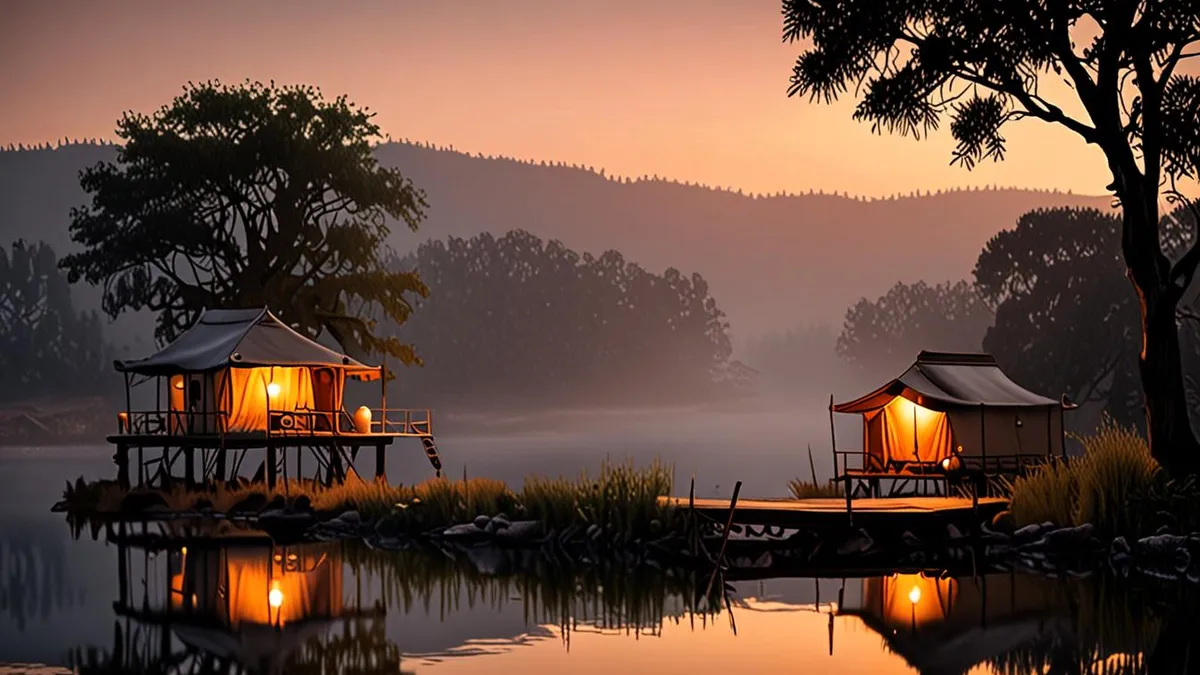
The most obvious difference comes down to construction. A safari lodge is a permanent building with solid walls, a proper roof and full facilities on site, often including a swimming pool and sometimes a spa. A tented camp, by contrast, houses guests in canvas rooms, usually large and sturdy, sometimes set on fixed platforms with wooden floors.
But tented camps aren’t all the same, and it helps to know the three main types. Permanent tented camps stay in one place year-round, operating much like a lodge with canvas walls. Seasonal camps open only during certain months, typically when wildlife viewing is at its best in that spot. Mobile camps are the most flexible: they relocate periodically to follow wildlife patterns, which is why they’re popular in areas where animals move seasonally.
Infrastructure and atmosphere
Lodges usually offer fuller infrastructure because they’re built to operate like hotels. Expect restaurants, bars and often a small curio shop, along with the staffing levels that come with a larger property. Tented camps lean into a different rhythm: communal dining tables, dinners by lantern or campfire, and evenings spent swapping stories with fellow guests and guides. Neither approach is better; they simply suit different moods and travel styles.
Comfort and Experience: What Each Stay Type Feels Like
If you like your safari to come with the trappings of a hotel, a lodge will feel immediately familiar. After a dusty morning game drive, you can return to air conditioning, a private deck overlooking a waterhole, and a pool for the midday heat. Service tends to be hotel-style, with set mealtimes, a bar and staff on hand around the clock.
Tented camps trade some of that polish for atmosphere. Canvas walls let you hear the bush at night: distant lions, rustling brush, hyenas calling. Dinners are often lantern-lit, and the whole experience feels closer to the landscape you came to see. For many travelers, that immersion is the entire point of sleeping in a tent.
The comfort gap is closing
Here’s the thing to know before you assume tents mean roughing it: luxury tented camps now rival lodges in many respects. High-end camps commonly offer en-suite bathrooms with hot showers, proper beds, quality linens and fine dining, sometimes with service levels that outperform nearby lodges. Comfort is no longer a simple divider between the two stay types. Instead, think about the feeling you want: polished and climate-controlled, or intimate and surrounded by the sounds of the wild. Both can be done in considerable comfort these days, so your choice comes down to atmosphere rather than amenities alone.
Cost Comparison: What You’ll Pay for Each
Price is often the deciding factor, and tented camps generally hold the advantage. Mid-range tented camps commonly run from $150 to $500 per person per night, and tented camps typically cost 20-40% less than comparable lodges in the same area. That saving can add up quickly over a week-long safari, especially for couples or small groups.
Luxury lodges sit at the top of the market, commonly ranging from $400 to $1,500+ per person per night in well-known reserves. At that level you’re paying for exclusivity, facilities and often prime locations inside private concessions. If you’re weighing lodge options in detail, it can help to read a guide on how to book a lodge stay and what to expect on costs and seasons before committing.
One important caveat: don’t compare nightly rates alone. Tented camps often bundle everything into a fully inclusive rate, so the sticker price may cover more than a lodge’s does.
- Meals and drinks: Many tented camps include all meals plus house drinks, while some lodges charge separately for beverages and premium items.
- Game drives: Fully inclusive rates usually cover guided game drives in shared vehicles, so check whether a lodge price includes activities or bills them as extras.
- Park and conservation fees: Some packages fold these into the rate; others expect you to pay them separately, which can materially change the total.
Season and Location: When Each Option Makes Sense
Timing shapes your safari stay choice as much as the stay type itself. In East Africa, the dry season from June through October is peak travel time: wildlife viewing is at its best, and both lodges and tented camps fill up fast. Expect top rates and limited availability across the board, no matter which style you pick.
The green season, roughly November to March, tells a different story. Prices drop, crowds thin out, and the landscape turns lush and photogenic. The catch: some seasonal tented camps close entirely during these months, so your options shrink even as your budget stretches further.
Migration timing favors mobile camps
If the Great Migration is your goal, mobile tented camps are hard to beat. These camps reposition seasonally to sit near the herds, roughly July to October in the Serengeti-Mara region. A fixed lodge may be hours from the action; a mobile camp puts you close to the river crossings and grazing masses. For a deeper look at how the calendar affects rates and availability, see this guide to the best time of year to visit lodges by season and region.
Who Should Choose Which: Matching Stay to Traveler
The right stay depends heavily on who is traveling. A tented camp that thrills a honeymooner can feel limiting for a family with toddlers, and vice versa. Think honestly about your group’s needs before you filter by price or location.
Families with young children usually lean toward lodges, and for good reason. Solid walls, fenced grounds, swimming pools and proper family rooms make logistics simpler and safety concerns smaller. Kids can burn off energy at a pool between game drives instead of whispering through a quiet camp.
Honeymooners and photographers often go the other way. Intimate tented camps offer privacy, fewer guests and a real sense of immersion, which suits both romance and long, patient wildlife photography sessions.
Here are a few traveler types and what tends to suit them:
- Multi-generational groups: Lodges with connecting rooms and varied dining times keep grandparents and grandkids comfortable under one roof.
- Solo travelers: Small tented camps foster communal dinners and campfire conversation, making it easier to meet fellow guests.
- Repeat safari-goers: If you have already seen the Big Five, a remote mobile camp adds novelty where a standard lodge may feel familiar.
- Travelers with mobility concerns: Lodges generally offer level pathways, ramps and easier bathroom access than canvas tents on raised platforms.
First-time safari-goers often start with a lodge to ease into the rhythm of early game drives and unfamiliar surroundings. Seasoned travelers frequently mix both in a single itinerary, pairing a lodge base with a few nights under canvas for variety.
How to Decide and Book Your Safari Stay
Choosing between a lodge and a tented camp gets much easier when you work through the decision in order. Many travelers do it backwards: they fall in love with a property’s photos, check the price, and only then wonder whether it suits their trip. A better approach is to start with your priorities, then let those priorities eliminate options before price ever enters the conversation. If you know from the start that you want air conditioning and a pool, or that your whole trip revolves around catching the migration at the right moment, or that you simply need to keep the nightly cost down, the field of candidates shrinks fast. That matters more than it sounds, because safari properties differ enormously in what they offer, and comparing them without a clear filter quickly becomes overwhelming. The five steps below take you from a vague idea to a short, workable list of places that genuinely fit your plans.
- Define your top priority. Decide what matters most: hotel-style comfort, closer-to-nature immersion, staying within budget, or catching the migration at the right moment. Your answer determines which stay type to filter for first, and it should be a single priority rather than a wish list.
- Filter camps and lodges by that priority. Comfort seekers should shortlist lodges with the facilities they want; immersion seekers should look at permanent and mobile tented camps; migration-focused travelers should only consider camps that reposition with the herds.
- Book far ahead for peak season. For dry-season travel in East Africa, reserve your stay 9-12 months in advance, since the best properties fill first and charge top rates. Green-season trips can typically be secured 4-6 months out, but popular small camps still sell out early.
- Check exactly what is included. Compare packages, not just nightly rates: ask whether airport or airstrip transfers, park fees handling, drinks and laundry are covered, as inclusions vary widely between properties and can shift a seemingly cheap rate into an expensive one.
- Confirm operating dates before paying a deposit. Seasonal and mobile camps may close for parts of the year, so verify your camp will actually be open for your travel dates before committing money, and ask what happens if your dates shift.
Once you have worked through these steps, you will usually find that only a handful of properties genuinely fit your trip. That shortlist is the right place to compare rates, read recent guest feedback and make your booking with confidence. It also gives you leverage when you talk to a tour operator or contact camps directly, because you can ask specific questions instead of general ones. And if two properties on your list seem equally appealing, remember that many seasoned safari travelers simply mix both stay types in a single itinerary, which spreads your risk and gives you the best of each style.
Wrapping Up Your Lodge or Tented Camp Choice
So, lodge or tented camp? If comfort, pools and family-friendly facilities top your list, a safari lodge is the safer bet. If you’d rather fall asleep to the sounds of the bush and save 20-40% compared to a similar lodge, a tented camp will likely suit you better. Neither option is wrong; they simply serve different travel styles.
Remember that season and location matter just as much as your stay type, particularly if you’re chasing the migration, when mobile camps reposition to follow the herds. Match your choice to your priorities, then book well ahead: peak-season stays typically need 9-12 months of lead time. If this guide helped you plan your trip, leave a comment or share it with a fellow traveler.