Coordinating a glamping trip for a group falls apart fast when nobody knows how to reserve several units together without overpaying or splitting the party across different sites. You find one beautiful safari tent, but the site only has a handful of units, and by the time eight friends try to book, half the group ends up miles away or the trip collapses entirely.
Glamping for groups takes a different approach than booking a single tent for a weekend. This guide walks you through why multi-unit bookings need their own strategy, how to match stay types to your group’s mix of couples, solo travelers and families, and when to reserve for the best rates and availability. You’ll also learn how to split costs fairly, which questions to ask before confirming, and how to keep everyone organized once the units are booked. By the end, you’ll have a clear plan for getting your whole group under the stars at one site.
Why Glamping for Groups Needs a Different Booking Strategy
Booking a single glamping unit is easy. Booking six of them at the same site on the same weekend is a different animal entirely. Most glamping properties are small operations with a limited number of units on site, and the premium options like spacious domes or tents with the best views are often just a handful in total. That means group inventory disappears first, even when the booking calendar looks wide open for individual travelers.
Group bookings also come with logistics that solo reservations never touch. Sites typically want one point of contact for the whole party, a combined deposit rather than eight separate card charges, and cancellation terms everyone agrees to up front. If your group can’t nominate a leader and collect money before the deadline, the reservation can slip away while you’re still polling the group chat.
The upside: perks you won’t get booking alone
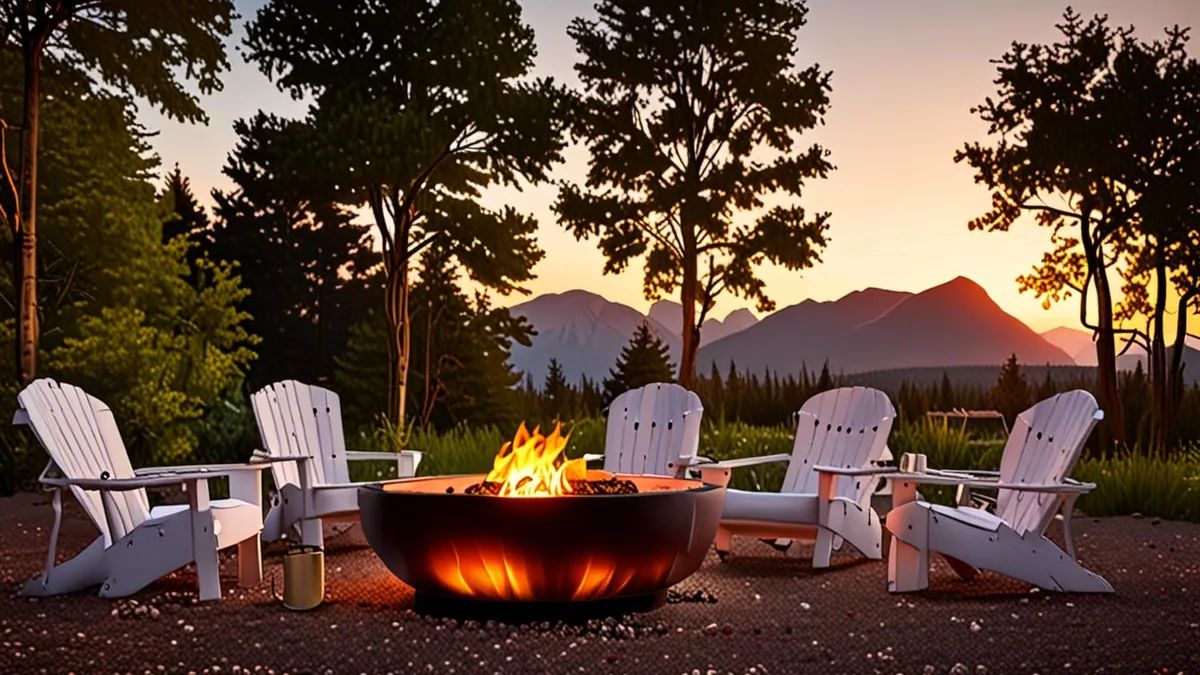
Here’s the good news. Multi-unit requests often unlock extras that individual bookers never see. Ask nicely and you may find the site throws in a private fire pit for your group, a covered dining tent for shared meals, or a dedicated host who checks in during your stay. Many sites cap group bookings at 6-12 units, so if your party fits within that range, you’re a welcome customer rather than an inconvenience. Mention your group size early in the conversation and ask what they can offer for a multi-unit stay.
How Many Units to Book and How to Match Stay Types
Before you contact any site, count heads properly. Couples usually want one unit to themselves, solo travelers may be happy to pair up, and families need units that actually sleep everyone comfortably. Most glamping units are designed for 2-4 guests, so a group of ten might need four or five units depending on how people pair off. Getting this count right before you inquire saves everyone a round of awkward renegotiation later.
Mixing stay types is one of the smartest moves for a mixed-budget group. Put the big spenders in a heated dome with a private hot tub, and let budget travelers take a standard canvas tent on the same site. Everyone gets the shared campfires and group meals, but nobody is forced to pay for amenities they don’t want. If you’re new to comparing options, our guide on how to pick the right glamping site for a first trip covers the basics of matching a site to your group’s style.
Once you have a rough layout, confirm the details that can make or break specific travelers’ stays:
- Pet-friendly units: Not every tent or cabin accepts animals, so if someone is bringing a dog, identify which specific units allow pets before you commit to a layout.
- Accessible units: Travelers with mobility needs need level paths, wide doorways and ground-floor sleeping. Ask the site which units meet accessibility standards rather than assuming.
- Bathroom setup: Some units have private bathrooms while others share a bathhouse. Families with young kids often care about this more than any other feature.
- Heating and cooling: A dome that’s cozy in July can be chilly in October, so check what climate control each unit type offers for your dates.
When to Book: Lead Times and Seasonal Pricing for Groups
Timing is everything when you need several units at once. For peak-season trips between June and August, reserve 3-6 months ahead. Large group blocks at popular sites sell out first, often long before individual units do, because the small number of premium units means a single family reunion can wipe out half a site’s inventory in one booking.
Holiday weekends need even more lead time
For holiday weekends like Memorial Day or Labor Day, push your booking window out to 6-9 months. These dates combine peak demand with a fixed three-day window, so there’s no flexibility to shift your trip by a week if the site is full. Get your group committed to the dates early, then reserve as soon as the site opens its calendar that far out.
If your group has any flexibility, shoulder-season dates are your best friend. Trips in May or September through October typically run 20-30% cheaper than peak season, and multi-unit availability is far easier to secure when you’re not competing with every summer vacationer. Cooler nights and thinner crowds are a fair trade for most groups, and the savings can fund a nicer dinner or an extra activity. For a detailed breakdown of what each month offers, see our month-by-month guide to glamping seasons in the US.
Splitting Costs and Negotiating Group Rates
Group glamping costs add up quickly, so it helps to go in with realistic numbers. Most multi-unit sites charge somewhere between $150 and $500 per unit per night depending on the stay type, season and location. A safari tent for two costs far less than a premium dome with a private hot tub, which is why mixing unit types can keep the total manageable.
The single biggest mistake groups make is splitting the bill by unit. If four people share one cabin and one person books a solo tent, dividing by unit punishes the solo traveler with a much larger share. Divide the total by headcount instead, and everyone pays a fair amount regardless of how the units were assigned. If you want a sense of how glamping pricing compares to a traditional camping trip, this breakdown of glamping versus camping costs and comfort puts the numbers in context.
Once you have a total, negotiate. Sites often have flexibility they don’t advertise, especially for larger blocks. Before you confirm, ask about:
- Group discounts: Many operators offer 10-20% off when you book 4 or more units, so it never hurts to ask directly rather than waiting for an automatic rate.
- Deposit structure: A single group deposit covering 30-50% of the total usually holds every unit under one reservation, which is far simpler than separate bookings with separate deadlines.
- Comped extras: If a discount isn’t available, ask for a free dining tent, firewood bundle or late checkout instead—operators can often say yes to perks when they can’t move on price.
Finally, collect the money before the deposit deadline, not after. A shared spreadsheet works fine for tracking who has paid, but a payment app makes it easier for everyone to send their share in one tap. If one person fronts the deposit and two travelers go quiet, you’ll be glad you set a firm payment date a week before the money was actually due.
Questions to Ask Before Confirming a Multi-Unit Booking
Once you’ve found a site with enough units for your group, a few targeted questions can save you from awkward surprises on arrival day. Group reservations don’t always follow the same rules as a single booking, and policies that seem straightforward online can get murky once multiple units are involved. Ask these questions before you pay anything, ideally in writing so you have the answers on record. A short email exchange now is far easier than a frustrating phone call from the parking lot later.
- Ask about unit placement and shared space. Request that all your units sit within 100-200 feet of each other so the group can actually spend time together, and confirm whether there’s a shared gathering area like a communal fire pit, dining tent or lawn where everyone can meet up without crowding into one cabin. If the site can’t guarantee proximity, ask how far apart your units will actually be.
- Ask how cancellations work across multiple units. A standard policy usually covers one booking, not six. Find out whether the cancellation terms apply to the group as a whole, what happens if part of the group drops out, and whether you can reduce the number of units closer to the date without losing the rest of the reservation.
- Ask about minimum-night requirements. Many sites require 2-3 night minimums for group reservations on weekends, which changes the total cost significantly. Confirm the minimum before you commit so you can budget for the full stay rather than the one-night trip you had in mind.
Getting clear answers to these three questions is the difference between a smooth group trip and a stressful one. If a site can’t confirm unit proximity or gives vague answers about cancellations, treat that as a signal and keep looking—there are usually other options within driving distance. The sites that handle groups regularly will answer these questions quickly and confidently, which is often the best sign that your trip is in good hands.
Coordinating the Trip Once Your Units Are Booked
With your units booked, the logistics phase begins. The easiest way to keep a group trip from turning into a group chat disaster is to divide the work early: one person handles all communication with the site, one plans meals and one plans activities. Three roles, three people, no bottleneck.
The group lead should be the only person who contacts the site, since operators can’t juggle messages from six different travelers. The meal planner decides who brings what food and how cooking will work, while the activity planner builds a rough schedule so nobody spends Saturday morning asking what everyone is doing.
A shared packing list is the other unsung hero of group trips. Without one, you’ll end up with four coolers and zero lanterns. Post a list where everyone can claim items, and cover the basics like:
- Shared kitchen gear: One or two large coolers, a camp stove, coffee setup and trash bags—assign these by name so nothing gets double-brought or forgotten entirely.
- Group comfort items: Lanterns, folding chairs, blankets and a few board games or a deck of cards for the fire pit after dark.
- Practical extras: A first aid kit, bug spray, phone chargers and a portable speaker, which someone always assumes someone else is bringing.
Finally, build a loose itinerary rather than an hour-by-hour schedule. Work around the site’s check-in window so early arrivals know what to do, and anchor each day around the group amenities you reserved, like a private fire pit or dining tent. Leave plenty of open time—half the appeal of glamping with a group is doing nothing in particular, together.
Wrapping Up Your Group Glamping Plan
Group glamping trips fall apart when the booking process itself gets tangled: units end up scattered across different sites, deposits get missed, and half the crew cancels before anyone packs a cooler. The fix is simpler than it looks. Lock in all your units under one reservation with the site, confirm they sit close together, and get the cancellation terms in writing before you pay.
Then settle the money side early. Agree on how costs will be divided and collect everyone’s share before the deposit deadline, not after. Once units, dates and payments are squared away, the trip largely runs itself, leaving you free to enjoy the fire pit instead of the group chat. If this guide helped you plan your trip, leave a comment or share it with your crew.