New Zealand wilderness lodges promise something rare: dramatic scenery, intimate settings and often fewer than 20 rooms. But there’s a catch that trips up many travelers. These lodges are scattered across two islands with wildly different climates, so the lodge that’s perfect in January can be a soggy disappointment in July. Matching the right region with the right time of year is the single biggest decision you’ll make.
This guide walks you through it step by step. We’ll look at what makes a lodge stay here different from other lodge trips, compare the best regions from Fiordland’s fjords to Northland’s subtropical coast, and match each season to the destinations where it shines. You’ll also find out what these lodges typically include, how to book smart, and which regions suit hikers, families and couples best. By the end, you should be able to pair a region, a season and a lodge style with confidence.
Why New Zealand Wilderness Lodges Are Different From Other Lodge Trips
New Zealand packs an unusual variety of landscapes into two islands, and that shapes every lodge decision you’ll make. There is no single “best” region for a wilderness stay, because alpine peaks, subtropical coastlines, temperate rainforest and glacial lakes all exist within one country. A lodge above Lake Wakatipu and a lodge on a Northland beach are barely comparable experiences, even though both are world class.
The lodge is the destination
Remote locations are part of the appeal, but they come with a trade-off. Many wilderness lodges sit far from restaurants, shops and tour operators, so dining and activities off-property can be limited or nonexistent. That means the lodge itself becomes the experience: the set dinner, the guided walk arranged by the hosts, the view from the deck. Choose a lodge you’d be happy to stay put at, not just a base for day trips.
Size matters too. Most wilderness lodges are small properties, often under 20 rooms, which creates an intimate, personal atmosphere you won’t find at a resort. The flip side is availability: a 12-room lodge fills quickly, and last-minute bookings are rarely an option in popular regions or peak season. Plan well ahead, especially if you want a specific room or a summer stay.
Where to Stay: The Best Regions for New Zealand Wilderness Lodges
New Zealand’s lodge country splits neatly into five regions, each with its own character and best season. The South Island delivers fjords, glaciers and alpine lakes, while the north offers subtropical beaches and the country’s most reliable sunshine. Since each region pairs best with a different time of year, it pays to think about when to visit lodges by season and region before you commit to a location. It also pays to think about driving distances, because New Zealand’s roads are scenic but slow, and a lodge that looks close on the map can still be half a day away.
Fiordland and Te Anau sit at the wild end of the scale, with dramatic fjord scenery and easy access to Milford Sound. It’s the best region for hikers, but expect rain in any month. Queenstown and Wanaka offer alpine lakes plus year-round adventure, and they have the most lodge choice and the easiest logistics of any region. The Bay of Islands and Northland bring a subtropical coast with the warmest swimming water in the country, best enjoyed December to March.
- West Coast and Franz Josef: this is where rainforest meets glacier, and the mood is moody and wild. It draws fewer visitors than the alpine hotspots, so lodges here often feel quieter and more secluded.
- Abel Tasman and Nelson: golden beaches and coastal tracks dominate, backed by the most reliable sunshine in the country. Sea kayaking and the coastal track are the classic ways to experience the park from a lodge base.
- Te Anau as a base: staying here rather than at Milford Sound itself puts you within driving range of the fjords while keeping access to the region’s network of walking trails.
- Queenstown logistics: with an airport, rental cars and the widest range of lodges, this region suits travelers who want wilderness scenery without complicated transfers.
When to Go: Matching the Season to Your Lodge Region
Timing is everything in New Zealand, because the regions you read about above reward different seasons. The Southern Hemisphere summer runs December to February, and it’s the warmest and busiest stretch of the year. It’s ideal for the Bay of Islands, Abel Tasman and the lake regions around Queenstown and Wanaka, when swimming, boating and coastal walking are at their best.
Autumn and winter
March to April brings stable autumn weather, fewer crowds and golden foliage around the Southern Lakes. It’s a favorite window for photographers and for travelers who want summer regions without peak-season prices and crowds. June to August is winter, which means ski season around Queenstown and Wanaka. Lodges there take on a cozy, fireside character, while coastal North Island lodges stay quiet but mild, a good pick if you want solitude over swimming.
Spring
September to November delivers spring wildflowers and shoulder rates, making it a smart-value time to travel. One caveat: the West Coast and Fiordland stay wet through spring, as they do much of the year, so pack accordingly if those regions are on your list. Wherever you go in spring, check current lodge availability, since shoulder season can still fill around events and school holidays.
What Wilderness Lodges in New Zealand Typically Include
One thing that separates a New Zealand wilderness lodge from a standard hotel stay is how much of your experience happens on the property itself. Remote locations often mean the lodge is the only dining option nearby, and dinner is frequently a set menu rather than an à la carte choice. That can be a highlight of the trip, with chefs cooking seasonal local produce, but it is worth confirming the meal plan before you book. Some lodges include dinner and breakfast in the rate, others charge separately, and a few can accommodate dietary needs with advance notice only.
Activities work the same way. Guided walks, kayaking trips and farm tours are commonly arranged in-house, and this is especially true in Fiordland and Northland, where the surrounding landscape is the main attraction. Rather than booking outside operators, you will often join a walk led by lodge staff who know the local trails and wildlife intimately. If you are new to this style of stay, our guide to what to expect at a lodge, from amenities to meals and activities covers the basics in more detail.
Facilities: designed around the view, not around a resort
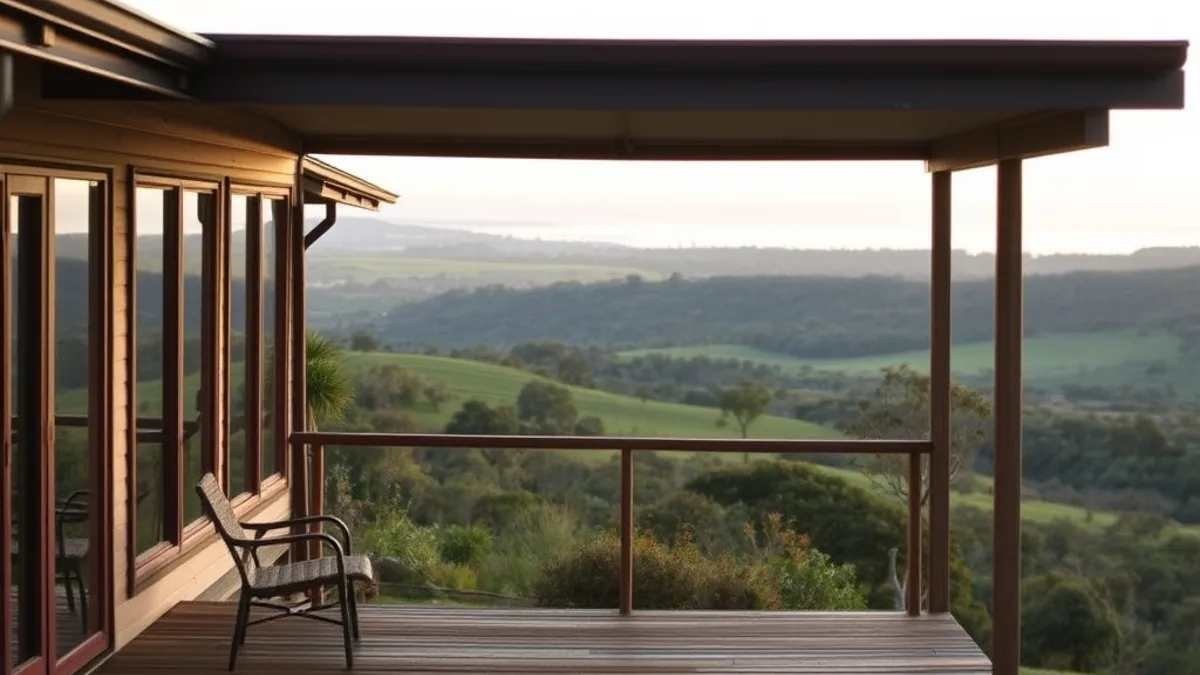
Do not expect swimming pools, gyms or kids’ clubs at most wilderness properties. What you will typically find instead are fireplaces, shared lounges and deck areas positioned to make the most of the setting, whether that is a lake, a fjord or rolling farmland. Many lodges deliberately keep rooms simple and put the budget into common spaces and food, because guests spend their evenings around the fire or watching the light change rather than in their rooms. This design philosophy is part of the charm, but travelers who want resort-style facilities should choose their property carefully and ask what is on site before committing.
How to Book a New Zealand Wilderness Lodge Stay
Booking a wilderness lodge in New Zealand is straightforward, but the small size of these properties means timing and logistics matter more than they would at a large hotel. Rates typically run NZ$250 to NZ$900+ per night depending on region and season, with Fiordland lodges and luxury lake properties at the top of that range. Because many lodges have fewer than 20 rooms, a single busy weekend can wipe out availability, so it pays to work through the process methodically rather than leaving things to the last minute. Here is how to approach it step by step.
- Choose your region and season first. These two decisions shape everything else, from price to availability. Summer dates in popular regions move fastest, while shoulder and winter months give you more flexibility and often better rates.
- Book 6 to 9 months ahead for December to February. This applies especially to small properties in Queenstown and the Bay of Islands, where a lodge with under 20 rooms can sell out its summer season well in advance. If you are flexible on dates, ask about midweek stays, which are often easier to secure.
- Confirm the meal plan and minimum stay. Many remote lodges require a 2-night minimum, and dinner arrangements vary widely between properties. Ask both questions before you pay a deposit, and check whether dietary needs can be accommodated.
- Plan your road transfer times realistically. Driving from Queenstown to Milford Sound takes about 4 hours, and Auckland to the Bay of Islands about 3.5 hours, so map out how the lodge fits into your wider route. Remote locations may also involve unsealed roads, so ask the lodge about access before you set out.
- Read the cancellation terms carefully. Small properties often have stricter policies than chain hotels, particularly for peak-season bookings. Ask about deposit deadlines and what happens if weather disrupts your travel plans.
For a fuller walkthrough of pricing patterns, seasonal demand and deposit questions, see our guide to how to book a lodge stay, covering costs, seasons and booking tips. It pairs well with the regional advice above and helps you avoid the most common booking mistakes.
Choosing a Lodge for Your Travel Style
The best lodge for you depends less on star ratings and more on how you like to spend your days. A property that delights a couple seeking silence might frustrate a family with teenagers, and a base built for hikers may offer little for travelers who prefer driving between sights. New Zealand’s regions suit different travel styles in quite distinct ways, so it pays to match the two before you book.
Hikers generally get the most from the South Island’s wilder corners, where trailheads sit close to the lodge door. Families and multi-generational groups tend to do best around Queenstown and Wanaka, where activities, dining and transport links are the easiest in the country. Couples after quiet should look beyond the summer peak, when even remote properties feel busier. Some further points to weigh:
- Hikers: Fiordland, Abel Tasman and the West Coast give you the widest choice of tracked walks, from short coastal strolls to full-day alpine routes, and lodge staff can usually match a trail to your fitness level.
- Families: Queenstown and Wanaka lodges keep drive times short and put jet boating, biking and lake activities within easy reach, which matters when you are traveling with children or grandparents.
- Couples: West Coast and Northland lodges outside the December to February peak offer quieter common spaces, better rates and a more personal level of attention from small teams.
Whichever profile fits you best, ask the lodge directly about your priorities before booking. Small properties are usually happy to be candid about whether their setting and activities suit your style of travel.
Wrapping Up Your New Zealand Lodge Trip
New Zealand’s wilderness lodges are spread across two islands with very different climates, so the real planning question is not which lodge is best, but which region fits your dates. Match the region to the season: the subtropical north works best in summer, the alpine south around Queenstown and Wanaka shines in winter, and Fiordland delivers wild scenery whenever you can handle the rain. On cost, expect nightly rates anywhere from the mid-hundreds of NZ dollars at simpler properties to close to a thousand at the top lodges, so set your budget before you fall in love with a view. And if your heart is set on a December to February stay in a popular area, lock in your booking 6 to 9 months ahead.
Once region and season line up, the lodge itself does the rest. Remote properties work because they pair a dramatic setting with the meals and guided activities that make an isolated stay comfortable, so confirm those details before you commit. If this helped you plan your trip, leave a comment or share the article with a fellow traveler.