Choosing between a lodge vs hostel vs guesthouse can make or break both your budget and your sleep. Many travelers overpay for comfort they never use, while others grab the cheapest bed only to regret thin walls and a snoring bunkmate at 2 am. The truth is that no single option wins every time; the right pick depends on your trip, your priorities and how much privacy you actually need.
This guide breaks the decision down into clear comparisons. We start with what actually defines each stay type, then compare typical nightly rates, from hostel dorm beds that often run $15-40 per night in North America and Europe to lodge rooms that can exceed $500 at the luxury end. We also look at comfort and privacy, weigh when a lodge justifies the splurge, and flag the situations where a hostel or guesthouse makes more sense. Finally, you’ll find a simple framework for matching your stay type to your travel style, so you can book with confidence instead of guesswork.
What Defines a Lodge, Hostel and Guesthouse
The three stay types serve different purposes, and understanding what each one actually is makes the rest of this comparison much easier. A lodge is typically a destination property in its own right, often set in or near nature such as a national park, forest or lakeside area. You get a private room, usually with an en-suite bathroom, and most lodges have an on-site restaurant or dining hall. Many also organize activities like guided walks or boat trips, since guests are often there specifically for the location.
A hostel works very differently. Instead of renting a room, you rent a bed in a shared dorm, usually with a locker for your belongings. Hostels provide communal kitchens where you can cook your own meals, plus shared lounges where travelers meet each other. The whole model is built around keeping costs low for budget travelers, often backpackers moving through a city or region.
Where guesthouses fit in
Guesthouses sit somewhere in between. These are small, often owner-run properties where hosts rent out private rooms, sometimes in their own home or a small adjacent building. Bathrooms may be en-suite or shared, and breakfast is sometimes offered, though it varies by owner. What guesthouses usually lack in amenities, they make up for in personal service and local knowledge from the people running them.
The key differences come down to three things: privacy level, meal service, and whether the property is a destination in itself. Lodges offer the most privacy and are often the reason you travel somewhere. Hostels offer the least privacy and are simply a place to sleep. Guesthouses fall in the middle, giving you your own room without turning the stay into the main event of your trip.
Cost Comparison: Lodge vs Hostel vs Guesthouse Nightly Rates
When you compare nightly rates, hostels come out cheapest by a wide margin. A dorm bed in North America or Europe typically runs $15-40 per night, which makes them the obvious pick for solo travelers watching every dollar. Guesthouses sit in the middle: a private room usually costs $50-120 per night, giving you your own door without resort-level pricing.
Lodges are the priciest option at $150-400 per night, with luxury properties exceeding $500. But that sticker price can be misleading, because lodge rates often include breakfast or even full board, while hostels and guesthouses usually leave you to feed yourself. If you’re weighing options, it helps to read up on how lodge pricing and booking work before assuming the nightly number tells the whole story.
The smarter comparison is total trip cost, not the nightly rate. A lodge with full board can end up rivaling a guesthouse stay once you add restaurant bills, groceries and the cost of getting to activities. Before you book, tally what each option actually costs across your whole trip:
- Meals: A lodge with full board bundles three daily meals into the rate, while a hostel or guesthouse stay means paying for every breakfast, lunch and dinner separately in town.
- Activities: Many lodges include guided walks, boat trips or game drives in the price, costs you would otherwise pay out of pocket from a cheaper base.
- Transport: A remote guesthouse may look cheap until you add daily taxi or transfer costs to reach restaurants and sights that a lodge keeps on-site.
- Shared savings: A hostel’s communal kitchen lets you cook your own food, which can offset the higher per-person cost of a lodge package for longer stays.
Comfort and Privacy: What You Get at Each Stay Type
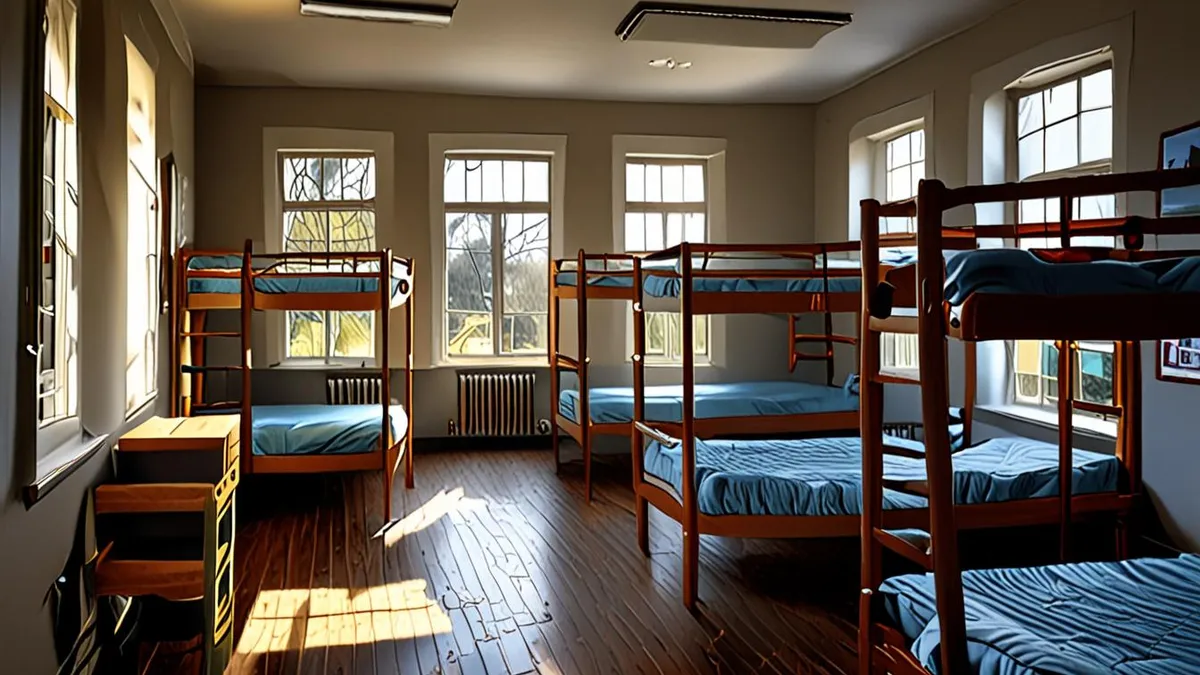
Privacy is where these three stay types separate most clearly. Hostels sit at the bottom: you book a bed, not a room, and you share that space with three to a dozen other travelers depending on the dorm size. Bathrooms are communal, walls tend to be thin, and someone is often coming in late or packing up early with a crinkling plastic bag.
Guesthouses give you a door that closes. Your room is yours alone, which alone makes sleep easier, but what surrounds it varies widely from owner to owner. One guesthouse might have an en-suite bathroom, a small breakfast and a quiet garden patio; the next might have a shared bathroom down the hall, no heating and paper-thin interior walls. Because these are small, owner-run properties, there is rarely a standard to rely on, so read recent guest reviews with an eye on comfort details.
Where lodges pull ahead
Lodges are built around comfort. You get a private room with an en-suite bathroom, plus shared spaces designed for lingering: lounges with fireplaces, verandas facing the scenery and dining rooms where meals are served. Many lodges also organize activities from the property itself, so the comfort extends beyond your room into how you spend your day.
Sleep quality and shared-space etiquette
If you stay in a hostel, noise and sleep quality are the factors that will shape your experience most. Pack earplugs and an eye mask, choose a lower bunk away from the door if you can, and expect to manage your own sense of security with the provided lockers. Shared-space etiquette matters too: keep late-night phone calls out of the dorm, cook and clean up promptly in the communal kitchen, and keep your belongings contained. Travelers who adapt to these unwritten rules tend to enjoy hostels; those who need quiet and personal space will feel the lack of privacy every night.
When a Lodge Is Worth the Extra Cost
A lodge earns its higher nightly rate when the property itself is the reason you booked the trip. If you are heading somewhere for the scenery rather than the city, such as a national park gateway or a lakeside setting, waking up inside the landscape changes the whole experience. You can step out for early wildlife viewing or a sunrise walk without commuting from a budget stay an hour away.
Group and family travel is the other clear case. Shared meals, fireplaces, lounges and guided activities give everyone a place to gather, which is hard to replicate when your group is split across several guesthouse rooms. For help choosing, see our guide to lodges near national parks in America.
Timing also narrows the price gap. Lodge rates in high season often run roughly 30-50% above shoulder-season prices, so traveling just before or after peak months can bring a lodge within reach of a guesthouse budget.
- Shoulder-season value: You get the same rooms, meals and activities as peak guests, often with thinner crowds on trails and at breakfast.
- Book ahead: Reserving 2-3 months in advance typically secures better lodge rates than last-minute reservations, and some properties reward early bookings with room upgrades when availability allows.
- Count the inclusions: If breakfast or full board is bundled into the rate, a family of four may spend less overall at a lodge than at a cheaper stay plus restaurant meals.
When a Hostel or Guesthouse Makes More Sense
Solo travelers on short city stays save the most with hostel dorm beds, which typically run $15-40 per night in North America and Europe. If you plan to spend your days sightseeing and only need a bed and a shower, paying lodge rates for amenities you will barely use makes little sense.
Couples have a strong middle option in guesthouses. A private room typically costs $50-120 per night, often in a residential neighborhood with a personal touch from the owner. You give up resort-style amenities, but you keep privacy and a real door between you and the world.
Why short stays rarely justify a lodge
On a one- or two-night visit, you use only a fraction of what a lodge offers: you might skip the included dinner, the guided walk and the lounge entirely. The bundled value that makes a lodge attractive over a week simply does not accumulate in 48 hours.
The kitchen advantage
Hostel communal kitchens quietly cut one of the biggest travel expenses: food. Preparing even one meal a day saves money that a lodge rate would otherwise bundle into your bill, whether or not you actually eat it.
How to Decide: Matching Stay Type to Trip Style
The right stay type depends less on the nightly rate and more on how you travel. Three factors matter most: how long you are staying, how many people you are with, and how much time you will actually spend at the property. A couple on a quick city break needs something very different from a family spending a full week in a national park. If you are weighing a lodge for a group, our guide on how to pick a lodge for a multi-generational group trip walks through the details.
- Estimate your time on-site: If you will be out sightseeing from dawn to dusk, amenities you pay for go unused. If the property is your main attraction, its meals, lounges and activities become the point.
- Count your group: Solo travelers usually do fine in a hostel dorm or small guesthouse, while families and groups benefit from shared common spaces and bundled meals that keep everyone together.
- Check what is included: Before comparing rates side by side, confirm whether breakfast, full board or activities are part of the price. A lodge rate with meals included can compete with a cheaper stay plus restaurant bills.
- Match budget to priorities: If location and a low price matter more than amenities, lean toward a hostel or guesthouse. If you want meals, activities and scenery under one roof, a lodge is the better fit.
It also helps to think about your travel style rather than the destination alone. Some travelers want a private room and a quiet evening after a long day of hiking, while others are happy trading space for savings and meeting people in a shared kitchen. Neither approach is wrong, but each points toward a different type of property.
Work through these steps honestly and the choice usually makes itself. The goal is not the cheapest bed or the fanciest room, but the stay that fits the trip you are actually taking. Answer the four questions above before you book, and you will spend your money on the things you actually use.
Wrapping Up the Lodge, Hostel and Guesthouse Comparison
The core takeaway is simple: you often overpay for comfort you don’t need, or grab the cheapest bed and regret the noise by night two. Hostels are the budget winner at $15-40 per night, but they offer the least privacy. Guesthouses strike a balance, giving you a private room for $50-120 per night without extras you may never use.
Lodges cost more, typically $150-400 per night, but that rate often bundles meals, activities and real comfort into one price. In the end, the right choice comes down to trip length, group size and whether the stay itself is the destination. If this guide helped you sort out your next booking, leave a comment or share it with a fellow traveler.