Geodesic domes look dreamy in photos: a curved white shell on red sand, stars overhead from your pillow. But first-timers often book without realizing what desert conditions and booking windows actually mean. Dome glamping is a real experience with real trade-offs, from scorching summer afternoons to surprisingly cold nights and sites that sell out months in advance.
This guide walks you through what a dome is actually like inside, the best season to go, what you can expect to pay, and where the top regions are. We’ll also cover how to choose and book the right dome, what to pack for big temperature swings, and a quick recap to wrap up your trip planning.
What Is a Desert Glamping Dome Like Inside?
Step inside a desert glamping dome and you’ll usually find something closer to a small hotel room than a tent. Most geodesic domes sleep 2-4 guests, with a real bed dressed in proper linens, and nearly all offer some form of climate control or heating. That matters more than you might think, since desert temperatures swing hard between day and night.
Stargazing from your pillow
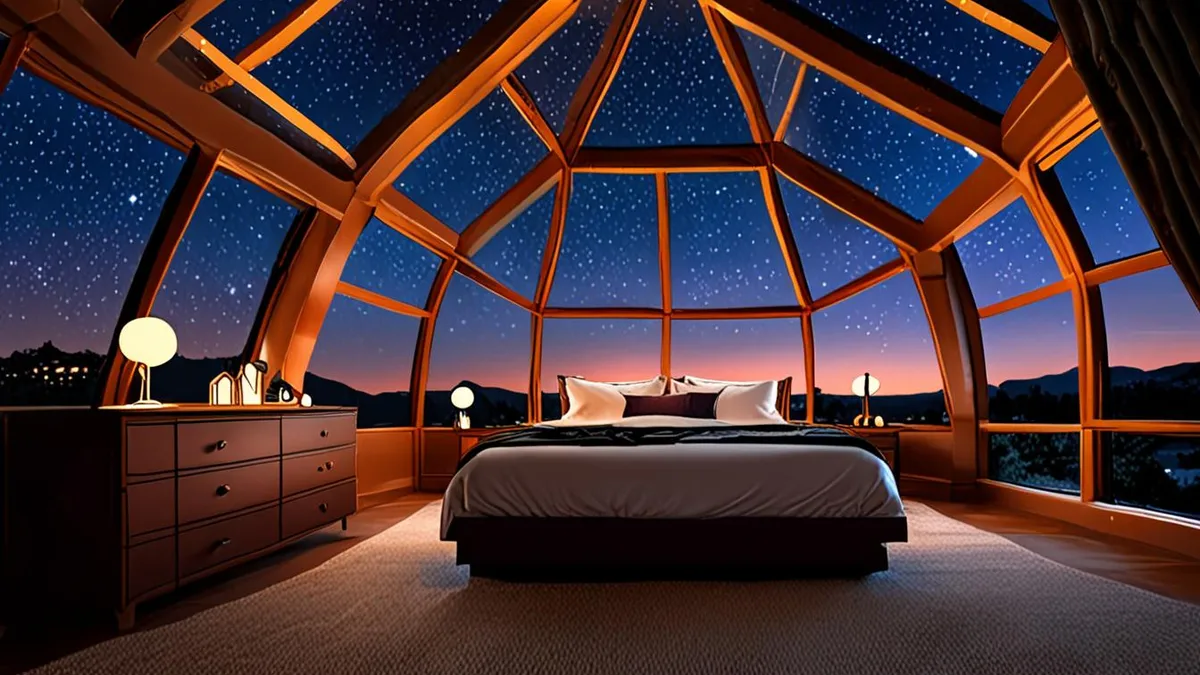
The feature that draws most people in is the ceiling. Many domes include a transparent or panoramic panel above the bed, so you can watch the stars without leaving your covers. In remote desert locations with little light pollution, this can be the highlight of the whole stay. If stargazing matters to you, check the listing photos for the window setup before you book, since designs vary a lot between sites.
What about bathrooms?
Expect a mix of hotel comfort and outdoors feel. Some domes have a private en-suite bathroom, while others rely on shared facilities a short walk away. Neither is better by definition, but it changes the experience, especially on cold nights. The rest of the space tends to be simple: a bed or two, maybe a small seating area, and a deck or fire pit outside. You’re still camping in the sense that the desert is right at your door, just with a solid roof and a mattress between you and it.
When to Go: The Best Season for Desert Dome Glamping
Timing makes or breaks a desert dome trip. The sweet season runs from October to April, when days are mild enough for hiking and nights are cool enough to sleep comfortably, often with the ceiling window open to the sky. If you want a broader look at how each month compares across the country, this month-by-month guide to glamping seasons in the US is a helpful reference.
Peak season and booking windows
Within that window, November to March is peak season for popular desert regions. Availability gets tight, so book 3-6 months ahead if you have your eye on a well-known dome site. Shoulder months like October and April tend to offer more open dates and a quieter atmosphere.
When not to go
Avoid June through August if you can. Desert highs during those months often exceed 100°F (38°C), which turns daytime into something you endure indoors rather than enjoy. Even in the cooler season, winter nights can drop below 40°F (4°C), so pack layers you can add and shed as the temperature swings through the day.
What Dome Glamping Costs in the Desert
Dome glamping sits in an interesting price spot: more than a campsite, usually less than a full desert resort. Typical rates run $150-$400 per night, while luxury domes with private hot tubs and premium finishes can reach $400-$700. That spread surprises a lot of first-time bookers, so it helps to understand what drives a dome up or down the pricing scale before you commit to a date. If you’re weighing whether the premium over regular camping makes sense, this comparison of glamping versus camping costs and comfort breaks down what you’re actually paying for.
Location and timing push prices around more than most travelers expect. Peak-season weekends in Joshua Tree or Moab sit at the top of the range, and the same dome can cost noticeably less on a midweek date in a shoulder month. Remote sites with long dirt-road access sometimes charge less simply because fewer people are willing to make the drive, while domes with famous red rock or boulder views right outside the door charge for that scenery. Before you judge whether a rate is fair, compare what’s actually included, because two domes listed at the same price can offer very different stays:
- Private bathroom: an en-suite toilet and shower adds real value, especially on cold desert nights when a shared facility means a walk outside in the dark.
- Kitchenette: a small fridge, cooktop or sink lets you self-cater, which saves money in remote areas where restaurants may be far away.
- Stargazing dome design: models with large transparent ceiling panels or panoramic windows typically command higher rates than standard solid-shell domes.
- Outdoor extras: a private deck, fire pit or hot tub often explains why one listing costs more than a similar-sized dome nearby.
Where to Find Desert Domes: Top Regions
The American Southwest has quietly become the heart of dome glamping, and each region offers a different flavor of desert. Some are all about dark skies and boulder fields, others about red rock drama or wide-open West Texas solitude. Picking the right one matters more than most first-timers expect, so it helps to think through how to choose the right glamping site for your first trip before you commit to a location.
Joshua Tree, California is probably the most famous name in desert domes. The landscape is surreal, with massive boulder piles and twisted Joshua trees everywhere you look, and the skies here are genuinely dark, which makes ceiling-panel stargazing spectacular. The tradeoff is popularity: sites in this area are at their busiest from November through March, so availability gets tight fast.
Moab, Utah swaps boulders for red rock. Domes here put you close to Arches and Canyonlands national parks, so many travelers pair a night under the stars with full days of hiking and scenic drives. Sedona, Arizona adds a milder winter and striking red cliffs, while Marfa and the Tucson area in Texas offer a quieter scene with more varied price points, which can be a relief if the bigger-name destinations are booked out.
- Joshua Tree: its dark-sky reputation makes it a favorite for astrophotography, and some dome sites sit on private acreage with almost no neighboring lights.
- Moab: dome stays here often work as a base camp, since the town of Moab has outfitters, restaurants and gear shops a short drive away.
- Sedona: the red rock scenery glows at sunrise and sunset, so domes with panoramic windows reward early risers as much as stargazers.
- Marfa: this small West Texas art town has drawn dome stays onto remote desert land, giving a more off-grid feel than the established Southwest hubs.
- Tucson area: the Sonoran Desert setting brings saguaro cacti into the view, a landscape you won’t see in Utah or California.
How to Choose and Book the Right Dome
A dome stay is only as good as the booking decisions behind it, and desert sites have quirks that hotels don’t. A few minutes of checking before you pay can be the difference between a magical night under the stars and a shivering, noisy disappointment. Work through these steps in order before you commit to a reservation.
- Check the bathroom situation first. Some desert domes come with a private bathroom attached, while at other sites you share a bathhouse a short walk away. This single detail changes the whole experience, especially on a cold night when you don’t want to dress and trek across gravel in the dark. Confirm it in the listing or by messaging the host directly before booking.
- Confirm heating and cooling. Desert nights get cold even during the peak season, and days can heat up quickly. Ask specifically whether the dome has a heater, air conditioning or both, and whether power runs all night or shuts off on a timer. A dome with no overnight power means no fan, no heated blanket and no charging your phone.
- Time your reservation around demand. The November to March peak fills up fast, especially in popular regions like Joshua Tree and Moab, so reserve well in advance. If your dates are flexible, shoulder months like October and April offer noticeably better availability, lower rates and often calmer weather.
- Read recent reviews with a checklist in mind. Look for comments on noise from nearby roads or neighbors, light pollution that dims the stargazing, and the condition of road access to remote sites. A dome that photographs beautifully may sit at the end of a washboard dirt road that a low-clearance car struggles with, so ask the host what vehicle they recommend.
Doing this homework takes maybe twenty minutes, and it pays for itself many times over. Once you’ve confirmed the essentials, book early, save the host’s contact details, and ask any last questions about check-in windows and arrival directions before you head into the desert. Cell service can be patchy out there, so download maps and the host’s instructions ahead of time.
What to Pack for a Desert Dome Stay
Desert packing is a lesson in contrasts. A day that feels warm in the sun can swing into a genuinely cold night, and winter temperatures regularly drop below 40°F (4°C) after dark. The trick is to pack for both halves of the day and to assume that help, supplies and cell signal may be far away.
Start with clothing you can add and shed easily. A base layer, a warm fleece or insulated jacket and a windproof outer shell will cover nearly every desert scenario from morning to midnight. Then think about the sun: desert terrain is exposed, with little natural shade, so protection matters even on cool days when you don’t feel the heat building.
Footwear and light are the two things travelers most often underestimate. The ground around most dome sites is rocky and uneven, and once the sun sets, many sites have no path lighting at all. A flashlight or headlamp isn’t a nice-to-have, it’s how you find your way back from the bathroom.
- A warm hat and gloves: these take up almost no space in your bag but make sub-40°F nights around a fire pit far more comfortable.
- Lip balm and moisturizer: desert air is brutally dry, and even one night without them leaves most people feeling it.
- Closed-toe shoes with real grip: sneakers or light hiking shoes handle rocky ground far better than sandals, which also let scorpions and thorns in.
- A headlamp with a red-light mode: it lights your path without ruining your night vision or anyone else’s stargazing.
- Snacks and a cooler bag: many remote dome sites have limited on-site supplies, and the nearest grocery store can be a long drive away.
- A refillable water bottle: bring more water than you think you need, since dry desert air dehydrates you faster than you’d expect.
Wrapping Up Your Desert Dome Trip
A dome in the desert really does deliver what the photos promise: a real bed, climate control and a sky full of stars, all with the red rocks or boulders right outside. The key is knowing what you signed up for. Aim for the October to April window, when days are mild and nights are made for stargazing, and skip the June-August heat, when desert highs often exceed 100°F (38°C).
Budget $150-$400 per night for a typical dome, or up to $700 for a luxury setup with extras like a private hot tub. For the popular November to March stretch, book 3-6 months ahead, and pack layers for those big day-to-night temperature swings. Do that, and your first dome trip should feel like a treat rather than a gamble. Have a desert dome tip or question of your own? Leave a comment or share this article.