Booking a villa months in advance feels exciting until you arrive to a week of afternoon downpours, a pool nobody swims in, and a rate you realize was double the low-season price. Many travelers lock in dates without understanding how seasons shape both the weather and the bill, and the disappointment is avoidable.
A villa weather and season guide fixes that. In this article, you’ll learn how a villa weather and season guide helps you plan, what dry season means for demand and pricing, why rainy season can be a value play, and which shoulder months offer the best balance. We’ll also cover hurricane season risk, booking timelines, and packing tips for the season you choose, then wrap up with a simple way to match your dates to the stay you actually want.
How a Villa Weather and Season Guide Helps You Plan
A villa weather and season guide is essentially a planning shortcut. In most Mexican and Central American destinations, the year splits into a dry season and a rainy season, and each one changes how you actually use your villa. During dry months, the pool becomes the center of daily life, outdoor dining happens every evening without a second thought, and day trips to beaches, ruins, or towns run on schedule. In the rainy season, mornings and evenings are usually the usable hours, and excursions need a bit more flexibility.
Why prices swing so much
The same villa can cost 30-60% more in peak weeks than in low season. That’s not arbitrary: high season brings reliable sunshine, calm seas, and everyone’s school holidays at once, so owners charge accordingly. Understanding this pattern helps you decide whether the premium is worth it for your dates, or whether shifting your trip by a few weeks gets you the same villa for far less.
Matching dates to activities
The biggest benefit is alignment. If your trip is built around beach days and pool time, dry season makes sense. If you’re focused on jungle hikes, waterfalls, and photography, the greener wet months may serve you better. A good guide helps you match your travel dates to the activities you actually want, so the villa becomes the base for the trip you pictured.
Dry Season: High Demand and Peak Villa Prices
Dry season in most Mexican and Central American villa destinations runs roughly November to April, and it delivers exactly what most travelers picture: reliable sunshine, calm seas, and warm evenings made for eating outside. Pools get daily use, boat trips and snorkeling run on schedule, and you can plan beach days with real confidence rather than hopeful optimism. Afternoon showers are rare, so outdoor kitchens, terraces, and plunge pools become the center of daily life instead of an occasional bonus.
What you’ll pay for it
The trade-off is price. Peak weeks carry a noticeable premium over low-season rates for the very same villa, and the jump is steepest over the holidays and during the busiest winter weeks. Demand from travelers escaping northern winters keeps calendars tight, so the most sought-after villas often need to be booked 3-6 months ahead to get your preferred dates, bedroom count, and layout. If you’re flexible on timing or budget, it can pay to look at strategies for booking a villa in Mexico for lower prices before committing to peak weeks.
Who dry season suits best
Dry season is the best fit for travelers who prioritize beach time, pool days, and outdoor dining every evening. If your ideal day is a morning swim, an afternoon by the pool, and dinner on the terrace under the stars, the premium is usually money well spent. Just remember that everyone else has the same idea, so beaches, restaurants, and popular day-trip spots near your villa will be busier too. Popular excursions and waterfront tables can require reservations made days in advance rather than on a whim. Book early, confirm the villa’s outdoor spaces meet your plans, and lock in your dates well before the winter rush fills the calendar.
Rainy Season: Lower Rates and Lush Landscapes
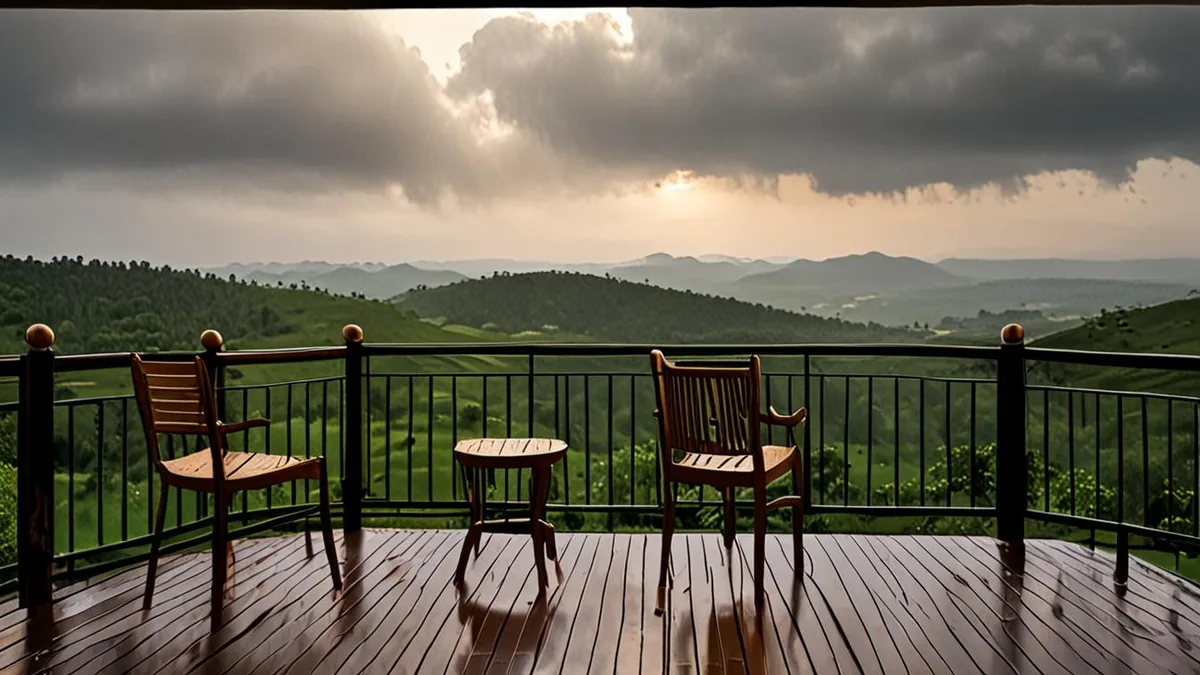
From May to October, villa rates often drop 20-40% below peak, which means the same property you eyed in high season may suddenly fit your budget. September and October are typically the wettest months, so if you want the biggest savings with the least rain risk, the earlier part of the rainy season usually offers a friendlier balance.
What the rain actually looks like
The typical rainy-season pattern is less dramatic than many travelers fear. Rather than all-day gray skies, most days bring 1-2 hours of afternoon showers, leaving mornings and evenings fully usable. You can swim early, take a day trip before lunch, then settle in with a book while the rain passes. Many travelers come to love this rhythm: the shower cools things down and clears the air in time for the evening.
A green season bonus for nature lovers
Jungle and lake regions look their greenest during these months, which is a real plus for nature-focused villa stays. Waterfalls run fuller, wildlife is more active, and the landscape around your villa is lush rather than dusty. If you’re considering a stay surrounded by rainforest, it’s worth reading up on what to expect from Costa Rica jungle villas and where to find them, since the green season shows these properties at their most atmospheric. Pack a light rain shell, plan outdoor activities for the morning, and the rainy season can deliver an excellent villa experience at a noticeably lower price.
Shoulder Months: The Value Sweet Spot
If your dates are flexible, the shoulder months of May and November can be the smartest time to book a villa. These months sit just outside the peak dry season, so you can often enjoy mostly good weather while paying noticeably less than high-season prices. Mornings are typically sunny, and even when rain arrives, it rarely disrupts a full day. For many travelers, this balance of decent weather and lower rates is exactly what makes a villa trip feel relaxed rather than rushed.
The savings go beyond the villa itself. With fewer visitors in town, everything around your rental gets easier and more relaxed.
- Restaurant reservations become far simpler, so you can often book a table at popular beachfront spots the same day instead of weeks ahead.
- Beaches near your villa are quieter, which means more space for towels, chairs and unhurried swims at the hours you actually want.
- Local tour operators and boat charters tend to have open availability, letting you arrange day trips on short notice rather than locking in months in advance.
- Grocery delivery and private chefs are easier to schedule, a nice bonus if your villa comes with a kitchen you plan to use.
The main trade-off is unpredictability. Because these months sit close to seasonal transitions, weather windows can be short, and a storm can reshape a week that started beautifully. That uncertainty makes travel insurance more worthwhile than it would be in the middle of the dry season. Look for a policy that covers weather-related delays and cancellations, and read the terms before you pay the deposit. It also pays to check your villa’s own rebooking policy, since flexibility on both sides gives you the best chance of turning a rainy day into a simple schedule shuffle rather than a lost vacation.
Hurricane Season and How to Manage the Risk
If you are eyeing a villa on a Caribbean or Gulf coast, hurricane season is part of the picture. It spans June through November, overlapping both the value-priced rainy months and the edges of the dry season. That does not mean you should avoid these destinations entirely, but it does mean planning with the risk in mind.
When the Risk Is Highest
Hurricane activity peaks between August and October, so mid-summer and early fall trips carry the greatest chance of disruption. By contrast, dates at the very start of the season in June, or at the tail end in November, carry far lower odds of a direct hit. Many travelers book early June or late November specifically to combine low prices with reduced risk.
Protect Your Booking
Before you commit to any stay during these months, read the villa’s cancellation and rebooking terms carefully. Some owners offer flexible rescheduling if a named storm threatens the area, while others hold to strict policies no matter what. Ask what happens if the villa becomes uninhabitable, and whether your deposit transfers to future dates. Pair that with travel insurance that covers hurricane-related cancellations, and you can book the shoulder-season rates with far more peace of mind.
Booking Timing and Packing for the Season You Choose
Once you have picked your season, the next step is matching your booking timeline and your suitcase to it. The two seasons reward different styles of planning. High-season villas go to early planners, while rainy-season stays offer flexibility and more room to negotiate. Here is a simple way to approach both.
Set your dates first, not your villa. Knowing whether you are traveling in the dry season or the rainy season determines everything else, from how far ahead you book to what goes in your bag. Deciding this before you browse listings saves hours of scrolling and keeps you focused on villas that actually fit your window.
For dry-season trips, book as early as you reasonably can. The best villas in popular destinations fill early, and waiting until a few weeks out often leaves you with the leftovers rather than the picks. For rainy-season stays, you can usually secure a villa a month or two out. Availability is wider, and some owners are more open to questions or small requests when demand is softer, so it never hurts to ask about an early check-in or a flexible arrival time.
Pack for the season you chose. For dry-season travel, bring light layers and reef-safe sunscreen. For the wet months, quick-dry clothing and a packable rain shell will keep you comfortable through afternoon showers, and a small dry bag protects phones and cameras on boat trips or jungle walks.
Check the villa’s features before booking a rainy-season stay. Confirm there is covered outdoor space, so a shower does not trap you indoors, or air conditioning, which makes humid evenings far more pleasant. A few minutes of planning on the front end pays off once you arrive, and a season-appropriate approach means a passing shower is a minor inconvenience instead of a day-ender.
Wrapping Up Your Season Choice
Choosing a villa season comes down to what you value most. Dry season from November to April delivers the most reliable sunshine, calm seas and pool-perfect days, but peak rates run about 30-60% higher and the top villas book out months ahead. Rainy season from May to October trades some shower time for lower rates and landscapes at their greenest, which suits nature-focused stays especially well.
If you want a middle path, shoulder months like May and November often combine mostly good weather with rates 20-40% below peak, plus quieter beaches and easier reservations. Whichever season you pick, match your booking lead time and packing list to it, and check your villa’s cancellation terms if you travel during hurricane months. If this guide helped you plan your trip, leave a comment or share it with a fellow traveler.