Glamping is often marketed as an affordable taste of luxury, but anyone who has started comparing sites knows the reality is messier. So, how much does glamping cost? A simple search can turn up rates from around $75 a night for a basic tent to well over $600 for a designer dome, and that’s before fees and add-ons enter the picture. For travelers trying to plan a weekend, that spread makes budgeting genuinely confusing.
This guide breaks down what you can expect to pay at each price tier, why two similar-looking sites can differ by hundreds of dollars, and how season and timing affect the final number. We’ll also look at the extras that quietly raise your total, compare glamping to traditional camping so you know what the premium actually buys, and walk through a simple way to budget an all-in trip. By the end, you’ll be able to price out a glamping getaway with confidence instead of guesswork.
How Much Does Glamping Cost Per Night?
Glamping prices fall into three broad tiers, and knowing which one you’re shopping in makes comparisons much easier. At the budget end, simple tent sites typically run $75-$150 per night. These are usually canvas tents on platforms with real beds and basic furnishings, sometimes with shared bathrooms a short walk away. It’s the most accessible way to try glamping without committing to a big spend.
Step up a level and you’ll find mid-range safari tents, yurts and cabins, typically priced at $150-$300 per night. This is the sweet spot for most first-timers. You generally get more space, better furniture, heating or air conditioning, and often a private bathroom or at least a semi-private one. Many of these sites sit on small resorts with extras like fire pits, communal kitchens or morning coffee.
The luxury tier
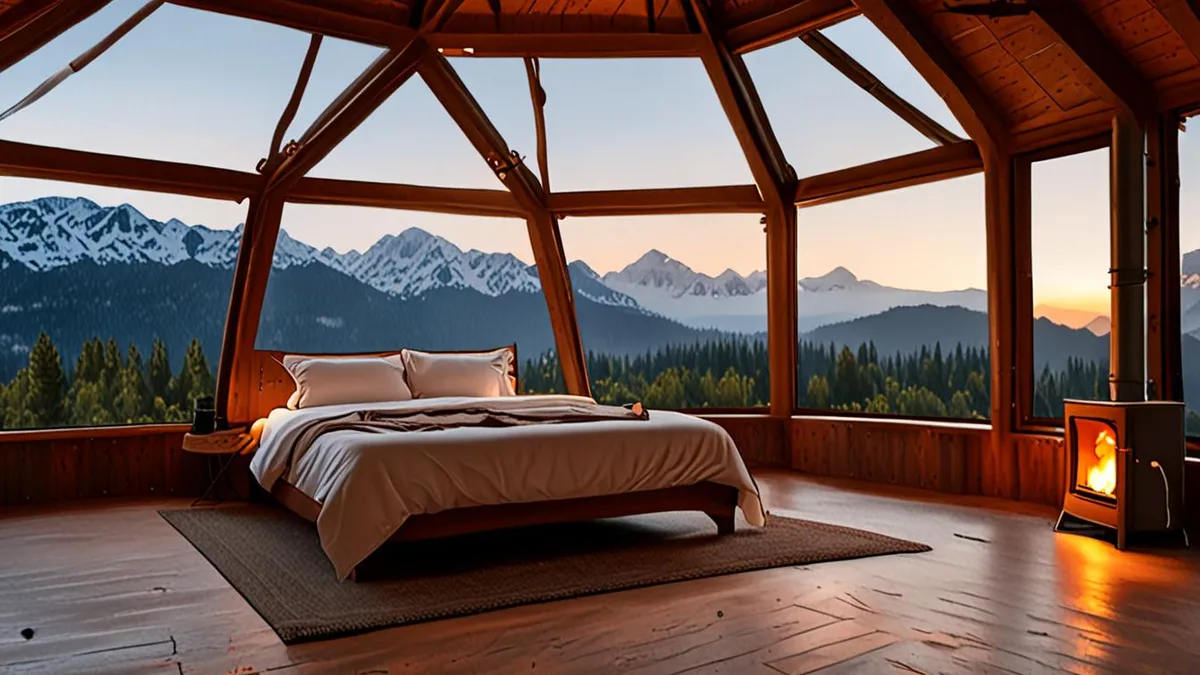
At the top of the market, luxury domes and treehouses typically run $300-$600+ per night. These are architectural experiences as much as accommodations: panoramic windows, private hot tubs, full kitchens and interiors that rival boutique hotels. Rates here vary widely depending on design, remoteness and what’s included, so read the listing carefully before assuming everything is covered.
As a rule of thumb, expect the jump between tiers to reflect real differences in comfort and privacy, not just branding. If a budget tent site is priced near the mid-range, check what’s actually included before booking.
What Drives the Price: Accommodation Type and Location
Not all glamping sites are priced equally, and the two biggest drivers are what you sleep in and where it sits. A canvas tent on a platform is far cheaper to build and maintain than a treehouse cantilevered over a hillside or a geodesic dome with floor-to-ceiling glass. That’s why treehouses and domes command premium rates over canvas tents, often by a wide margin within the same region.
Location matters more than you might expect
Proximity is the second major factor. Sites within 1-2 hours of major cities or national parks price higher because demand is stronger and weekends fill up faster. A nearly identical tent two hours farther out can cost noticeably less per night, so if your dates are flexible, widening your search radius is one of the easiest ways to save. If you’re weighing your options, it helps to read up on how to choose the right glamping site for your first trip before you book.
Views come at a price too. Waterfront or view-facing units typically cost more per night than standard units on the same property, sometimes by a substantial margin. That lakefront dome or cliff-edge treehouse looks stunning in photos, but you’re paying for the outlook every night of your stay.
The practical takeaway: decide which of these three factors you actually care about. If you’ll spend your days hiking and your evenings by the fire, a standard unit farther from the city may deliver better value than the premium view you’ll only glimpse at bedtime. Prioritizing comfort and convenience over the postcard backdrop is a smart way to keep your first glamping trip affordable.
Season and Timing: When Rates Rise and Fall
When you book matters almost as much as where you book. Peak season, which runs roughly June through August, sees rates climb 20-50% above shoulder season at many properties. The same safari tent that costs a moderate amount in May or September can jump significantly in July, simply because summer demand allows operators to charge more. That swing can easily add up to more than the cost of an extra night, so it pays to plan around it.
Weekends add another layer. Friday and Saturday nights often cost $30-$80 more than weeknights, especially near cities and national parks where short trips dominate. If your schedule allows a Sunday-to-Tuesday stay, you can often enjoy identical accommodations for noticeably less, and you’ll likely deal with fewer neighbors and quieter surroundings too.
Timing your booking also matters. For summer dates, booking 2-3 months ahead is typically what secures the best rates and the widest choice of units. Wait until a few weeks out and you’ll often be choosing between the least desirable units at peak-season prices.
Shoulder season months like late spring and early fall often combine lower rates with pleasant weather and fewer crowds, making them a smart compromise if you don’t need school-holiday dates. Some properties offer midweek or multi-night discounts that don’t appear in the base nightly rate, so it’s worth messaging the host directly before booking a longer stay. Holiday weekends such as Memorial Day and Labor Day behave like peak summer dates even outside June-August, with rates and minimum-stay requirements to match. If you want a month-by-month breakdown of conditions and pricing patterns, this guide to the best seasons for glamping in the US can help you pick dates that balance cost and comfort.
The Extras: Fees and Add-Ons That Raise the Total
The nightly rate is only the starting point. Once you pick a site, the booking page usually reveals a second layer of costs: fees and tempting add-ons that can quietly add $50-$200 or more to your total. None of these are hidden charges, but they are easy to overlook when you’re comparing rates between two properties that look similar on paper.
Cleaning fees are the most common extra. They apply per stay rather than per night, so they hit short trips hardest. A two-night booking with a $75 cleaning fee effectively adds more than $37 per night to your real cost. Pet fees work the same way, and some sites charge both a pet fee and an extra cleaning surcharge if your dog sheds.
Add-ons are where glamping sites earn their extra revenue. Private hot tubs, firewood bundles and catered meals are the classics, and they range from small comforts to full splurges. Here’s what to expect and how to think about each one:
- Private hot tub: Often priced per stay rather than per night, so a soak under the stars might cost a flat surcharge on top of your booking. Ask whether towels, robes and a first fill of water are included or billed separately.
- Firewood bundles: Usually the cheapest add-on, but bundles burn fast on a cool evening. If you plan to sit by the fire both nights, budget for two or three bundles or bring your own where local rules allow it.
- Catered meals or breakfast baskets: These can range from around $20 for a delivered breakfast to well over $100 per night for a private chef-style dinner. Check whether the price is per person or per meal before assuming it’s a bargain.
- Activity extras: Some sites offer kayaks, guided hikes or stargazing setups for a fee. These are optional, but they’re easy to click “yes” to at checkout, so decide what you’ll actually use.
Glamping vs Camping: What the Price Premium Buys
Traditional tent camping is hard to beat on price: a basic site at a public or private campground typically runs around $20-$60 per night. Glamping starts where that range ends, with even the most budget-friendly canvas tents generally beginning at $75 per night. That gap of roughly $15-$55 per night is the premium you pay, and understanding what it buys helps you decide if it’s worth it for your trip.
What the extra dollars actually get you
The biggest difference is the bed. Instead of an air mattress on the ground, you get a real bed with linens made up for you, which alone changes how a trip feels after a long day outdoors. Many glamping units also include heating or cooling, lighting, furniture, and sometimes a small kitchen setup, so you arrive with gear-free luggage rather than a trunk full of equipment.
Bathrooms are the other major factor. Some glamping sites offer private en-suite facilities, while others provide shared, well-maintained bathhouses a short walk away. Either way, you skip the pit toilet experience that traditional camping often involves. For a fuller breakdown of how the two experiences compare side by side, this glamping vs camping comparison of costs and comfort covers what to expect in detail.
Where the premium pays off for first-timers
If you’re new to sleeping outdoors, the extra spend often pays for itself in comfort and confidence. You don’t need to buy a tent, sleeping bags, or sleeping pads, which can easily cost more than a night or two of glamping in the first place. You also avoid the learning curve of pitching camp, and you’re far less likely to have a miserable night if the weather turns cold or wet.
That said, traditional camping still wins if you already own gear, enjoy the setup ritual, and are staying several nights in a row, since the nightly savings add up quickly. For a one- or two-night trip where you want the outdoor experience without the hardship, glamping’s premium usually delivers good value per night of comfort gained.
How to Budget Your Glamping Trip
Once you’ve picked a site and a date range, the trick is turning a nightly rate into a realistic trip total. Glamping quotes rarely show the full picture upfront, so it pays to do a little math before you book. A two-night stay at a mid-range safari tent or yurt, for example, usually lands somewhere around $350-$700 all-in once fees are included. Here’s how to work out your own number.
- Multiply the nightly rate by your number of nights. If a yurt is $200 per night and you’re staying three nights, that’s $600 before anything else. Use the actual rate for your dates, since weekends and peak season often price higher than the base rate shown in search results.
- Add the cleaning fee. Most glamping sites charge a per-stay cleaning fee rather than a per-night one, so it hits short trips the hardest. Check the listing’s fee breakdown before you assume the nightly rate is the whole story.
- Add a pet fee if you’re bringing a dog. Not every site allows pets, and those that do usually charge a flat per-stay fee. If you’re traveling with an animal, factor this in early since it may also narrow your options.
- Check what’s actually included. Some rates cover linens, towels, a private bathroom and a full kitchen; others charge extra for bedding or expect you to use a shared bathhouse. Two sites with the same nightly rate can feel very different once you compare what’s in the unit.
Doing this quick calculation takes five minutes and saves you from surprise charges at checkout. It also makes comparing sites far easier, because you’ll be weighing true totals instead of misleading nightly rates. Write down the all-in figure for each option on your shortlist, and the best value usually becomes obvious.
The Bottom Line on Glamping Costs
So, how much does glamping actually cost? Nightly rates run from about $75 for a simple budget tent up to $600 or more for a luxury dome or treehouse, with canvas lodge-style stays and similar mid-tier options in between. That is a wide spread, and it is exactly why so many travelers struggle to budget a trip.
On top of the base rate, season, location and extra fees can swing your total by hundreds of dollars. Peak summer dates, weekend nights and add-ons like cleaning fees all push the price up. As a realistic starting point, plan on roughly $350-$700 all-in for a weekend mid-range stay. That figure covers the tent, the fees and the little extras, so there are no nasty surprises at checkout. If this helped you plan your trip, leave a comment or share the article with a friend who loves the outdoors.