Texas is so big that planning a glamping trip here can feel like planning three vacations at once. Summers in much of the state regularly push past 95°F, while winters along the coast and in the Hill Country stay mild enough for canvas walls. Add deserts, pine forests and rolling wine country to the mix, and picking where and when to go glamping in Texas gets genuinely confusing.
This guide breaks the decision into manageable pieces. You’ll see why the state works so well for tent-based stays, which regions suit first-timers versus desert lovers, and how to match your stay type to the season. We’ll also cover the best windows for comfortable weather, how far ahead to book before the good dates disappear, and what to pack for Texas’s dramatic day-to-night temperature swings. By the end, you’ll have a clear plan instead of a pile of open browser tabs.
Why Texas Works So Well for Glamping
Texas works so well for glamping because it doesn’t have one landscape—it has several. In a single trip you can sleep under desert skies near Big Bend, wake up beside a river in the Hill Country, or fall asleep to Gulf waves. Pine forests in the east and rolling hills in the center mean the state can feel like several destinations rolled into one, and each supports a different style of outdoor stay.
The seasons help too. Texas has long shoulder seasons in March–May and October–November, when daytime highs sit comfortably around 70–85°F. Those stretches are ideal for tent-based stays, when canvas walls and screened porches feel like a pleasure rather than an oven or a wind tunnel.
A Glamping Scene That Has Grown Up
The other reason Texas stands out is choice. The glamping scene here is mature, with everything from safari tents in the $100–$250 per night range to luxury cabins and high-end tents running $400 and up. That range means the same state can host a budget-friendly weekend or an anniversary splurge, often within a couple hours’ drive of a major airport.
Best Regions for Glamping in Texas
Texas is too large to treat as one glamping destination, so it helps to think in regions. Each has its own landscape, drive time and best season, and choosing the right one matters more than choosing a specific property.
Hill Country: The First-Timer’s Pick
The Hill Country delivers live oaks, clear rivers and a dense cluster of wineries, all within roughly 1–2 hours of Austin or San Antonio. That short drive makes it the easiest region for a first glamping trip—you can arrive Friday evening without burning a full day in the car, and you’re never far from a town if you forget something. Spring is especially pretty here, and if you want to time your trip around wildflowers, this guide to the best months for glamping across the US breaks down how each season plays out.
West Texas and Big Bend
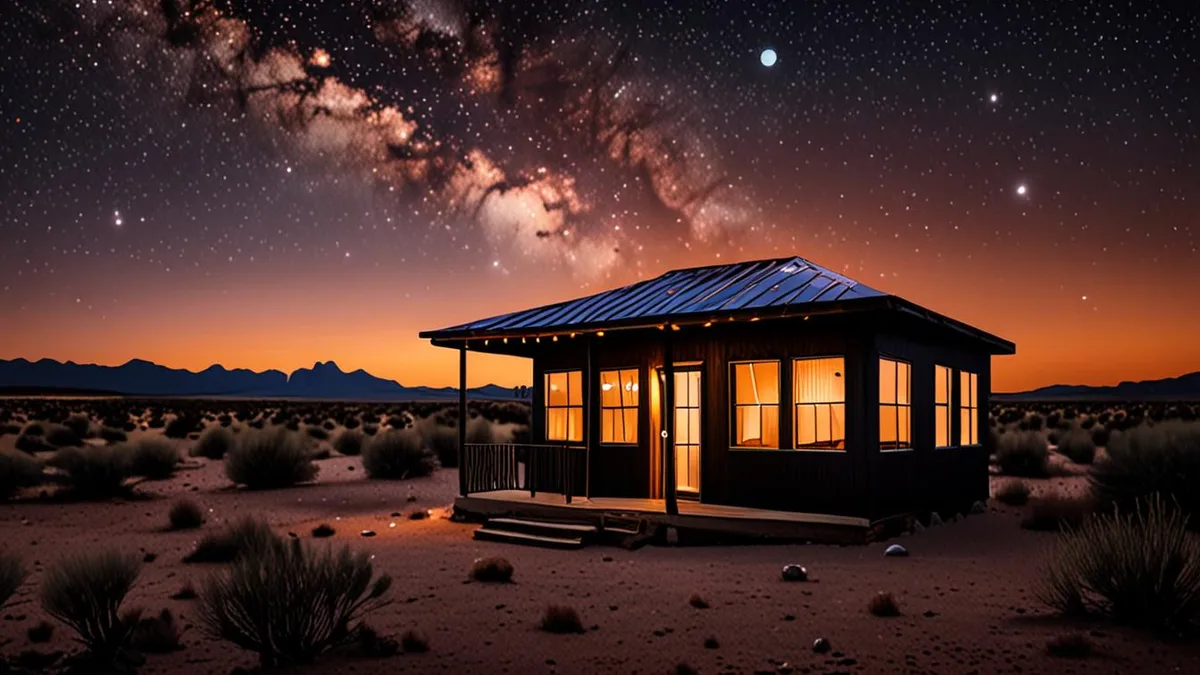
West Texas is the dramatic option: desert landscapes, canyon country and some of the darkest night skies you’ll find in the country. The tradeoff is distance—Big Bend sits 5 or more hours from El Paso—so plan a multi-night trip rather than a weekend dash. The reward is silence and stars that justify every mile.
Gulf Coast and Piney Woods
The Gulf Coast and Piney Woods cover the state’s softer side. Beachside yurts put you steps from the sand, while forest cabins in the east stay comfortable even in winter, when daytime highs hold near 60–70°F. If you want a December or January escape without freezing, this is the region to aim for.
Choosing Your Stay Type: Tents, Cabins and Domes
Not all glamping structures handle Texas weather equally well, and the biggest mistake travelers make is booking a canvas stay for the wrong season. Safari tents and yurts are wonderful in the Hill Country’s mild shoulder seasons, when breezes pass through screened walls and mornings are cool. But canvas can struggle badly in summer heat, when much of the state regularly sees highs of 95–100°F.
If your trip falls in the hotter months, air-conditioned cabins and climate-controlled domes are the safer pick. You lose a little romance but gain actual sleep, which matters when you’re planning daytime hikes. Winter trips flip the equation: a wood stove becomes the amenity worth paying for, especially in the Hill Country, where nights can turn genuinely chilly even when days are mild.
The simplest rule is to match amenities to the region and season—shade structures and water access for summer stays, heat sources for winter ones. If you’re unsure how to weigh these tradeoffs, this walkthrough of how to pick the right glamping site for a first trip covers the decision step by step.
- Climate control details: Ask whether the air conditioning runs continuously or only on a timer—some tent-style units cool only during set hours, which matters on a 100°F afternoon.
- Shade and orientation: In summer, a tent facing west bakes all afternoon; sites with covered porches or tree cover stay noticeably cooler.
- Water access: For hot-season trips, prioritize stays with a pool, river frontage or swimming hole nearby rather than relying on a shared bathhouse.
- Heat sources: Confirm whether a wood stove includes firewood or charges separately, and whether the stove keeps the whole structure warm or just one corner.
When to Go: Matching Season to Region
Spring is the headline season for Texas glamping, and for good reason. From March through May, daytime highs sit comfortably in the 70–85°F range, giving tent-based stays their most reliable weather of the year. The real draw is the bluebonnet season: the wildflower peak usually falls late March through mid-April, when roadsides and Hill Country meadows turn solid blue.
Fall: the quieter twin of spring
October and November bring nearly identical conditions, with highs again around 70–85°F. The difference is crowds. Families and spring-break travelers thin out, so you’ll find more open dates and a calmer pace at popular Hill Country and desert sites. For many repeat visitors, fall is the smarter version of spring.
Summer is a different animal. Across much of Texas, highs regularly exceed 95–100°F, so a canvas tent without cooling can turn miserable by mid-afternoon. If you travel between June and August, prioritize sites with water access for swimming or air conditioning in cabins and domes.
Winter rewards flexibility. The Gulf Coast and Hill Country stay mild, with highs near 60–70°F, making them the best cold-season picks. Desert regions can swing sharply between day and night, so check forecasts closely before committing to a West Texas winter trip.
How to Book Before the Good Dates Vanish
Good glamping sites in Texas are small by nature—often just a handful of tents, cabins or domes on a single property—so prime dates disappear faster than they would at a large hotel with hundreds of rooms. A little lead time makes the difference between getting the weekend you want and settling for whatever is left. The good news is that the timing rules are simple, and once you know them, booking a Texas glamping trip becomes mostly a matter of acting early enough.
- Book spring and fall weekends 2–3 months ahead. These shoulder-season weekends fill quickly because the weather is at its best. Two to three months of notice usually secures your first-choice site.
- Reserve 4–6 months out for bluebonnet season. The wildflower peak, typically late March through mid-April, is the single busiest stretch of the glamping calendar. Early booking matters most here.
- Target Sunday–Tuesday arrivals in peak windows. Shifting your stay to the start of the week often means wider availability and sometimes lower rates, since midweek demand is softer at most small properties.
- Read cancellation terms before paying. Winter trips and desert trips carry the most weather risk—cold snaps in one case, sudden temperature swings in the other—so flexible cancellation is worth prioritizing over a small discount.
Once you’ve booked, set a reminder to reconfirm your reservation a week or two before arrival. Small properties occasionally adjust details like check-in instructions, gate codes or access directions, and a quick confirmation call or email keeps your trip running smoothly from the first night. If you’re traveling with a group, reconfirming also gives you a chance to verify that adjacent units or shared spaces are still reserved as expected. It takes five minutes and can save a stressful arrival.
Packing for Texas Conditions
Texas packing is really two trips in one. Days can feel like spring while nights drop sharply, especially in the Hill Country and the desert, where 30–40°F swings between afternoon and early morning are common even in the mild months. Layers are not optional here; they’re the difference between enjoying the campfire and retreating to your tent early.
The other half of the equation is sun and insects. Texas spring and summer sun is intense, and mosquitoes and other biters pick up quickly near rivers, ponds and after rain. Build your kit around protection before you think about extras.
- High-SPF sunscreen. Choose SPF 30 or higher and reapply through the day; desert and coastal sun both reflect off open ground and water.
- Refillable water bottles. Bring one large bottle per person and plan to refill often, since many glamping sites are rural and far from the nearest store.
- Bug spray. Pack a repellent with DEET or picaridin for dawn and dusk near water, plus a few sting wipes for peace of mind.
- A light insulating layer and beanie. A fleece or packable jacket handles those 30–40°F overnight drops far better than a single heavy coat.
The easiest way to keep all of this straight is a written list. Before you zip the bags, run through a complete glamping packing checklist and mark off anything climate-specific, like the extra layers for desert nights or the spray for humid coastal mornings. A printed copy in your day bag means nothing gets left in the car or at home.
Wrapping Up Your Texas Glamping Plan
Texas is enormous, and its seasons swing from scorching summers to mild winters, so it helps to think about timing and location as two halves of the same decision. The good news is that the state works year-round once you match the region to the season: head for the Hill Country and Gulf Coast in winter, and save the deserts and hills for spring and fall. The sweet spots are March–May and October–November, when highs sit around 70–85°F and the weather cooperates for tent-based stays.
Plan ahead for those windows: booking 2–3 months out gives you the best shot at popular dates. Budget $100–$250 per night for most stays, and choose climate-controlled options if you are traveling during summer heat. With those basics in place, a Texas glamping trip comes together easily. Have a favorite region or a trip in the works? Leave a comment or share this article.