Planning a safari in Kenya sounds simple until you start comparing regions. The Masai Mara, Amboseli, Samburu and Laikipia each deliver a different landscape, a different cast of animals and a very different crowd level, and the seasons shift what you will actually see from your lodge veranda. Many travelers end up unsure which area deserves their nights and which months make sense for their budget.
This guide breaks down Kenya safari lodges by region and season so you can match the right camp to your priorities. We explain why lodges vary so much from one area to the next, what makes the Masai Mara the classic choice, and where quieter alternatives like Amboseli, Samburu and Laikipia shine. You will also find practical advice on timing your trip, choosing between fly-in and road-based itineraries, and picking a lodge that suits families, couples or first-time safari-goers.
Why Kenya Safari Lodges Vary So Much by Region
Kenya’s flagship safari areas look nothing alike, and that is the first thing to understand before comparing lodges. The Masai Mara is classic open grassland, built for big cats and endless horizons. Amboseli sits in a dusty, swamp-fed basin beneath Mount Kilimanjaro, famous for its elephant herds framed against the mountain. Samburu, in the arid north, feels like a different country altogether, with dry riverbeds, rocky hills and species you will not find in the south.
Lodge style follows the landscape. In the Mara and across the private conservancies, you will find everything from lightweight tented camps that pack a romantic, close-to-nature atmosphere to large permanent lodges with pools and conference facilities. Amboseli and Samburu lean toward stone-and-thatch properties built to handle harsher conditions. Style affects price as much as location does: a small tented camp with a private guide usually costs more than a bigger lodge with shared game drives.
Wildlife density and crowd levels are not the same everywhere
The Mara carries the highest wildlife density in Kenya, which also means the most vehicles around a lion sighting in peak months. Quieter reserves like Laikipia trade some of that density for space, exclusivity and flexible activities. Knowing this trade-off early helps you decide whether your priority is maximum animal sightings or a private feel, because few lodges deliver both at the same price.
Masai Mara: The Classic Safari Area
The Masai Mara is where most first-time safari travelers picture Kenya: golden grasslands, cheetahs on termite mounds and lions lounging in the open. It consistently offers the best wildlife density in the country, so game drives rarely come back empty. From July to September, the great wildebeest migration typically arrives, turning the Mara River crossings into one of the most dramatic wildlife spectacles in Africa.
Getting there takes planning. The road transfer from Nairobi takes roughly 5-6 hours, and the final stretch is bumpy enough that many travelers regret not flying. Bush flights from Nairobi Wilson take about 45 minutes and land on airstrips inside or right beside the reserve, which means you can be watching elephants the same afternoon you land.
What peak season means for your budget and your game drives
July to October is the Mara’s high season, and lodge prices reflect it. Peak-season rates often run 2-3 times green-season prices, and the most desirable camps fill up fast. Around a migration river crossing, expect a line of vehicles; a good guide mitigates this, but crowds are part of the deal. If you want the migration without the highest rates, the shoulder weeks just before or after can be a smart compromise. For a deeper look at how months and regions line up, see our guide to the best time of year to visit lodges by season and region.
Amboseli, Samburu and Laikipia: Quieter Alternatives
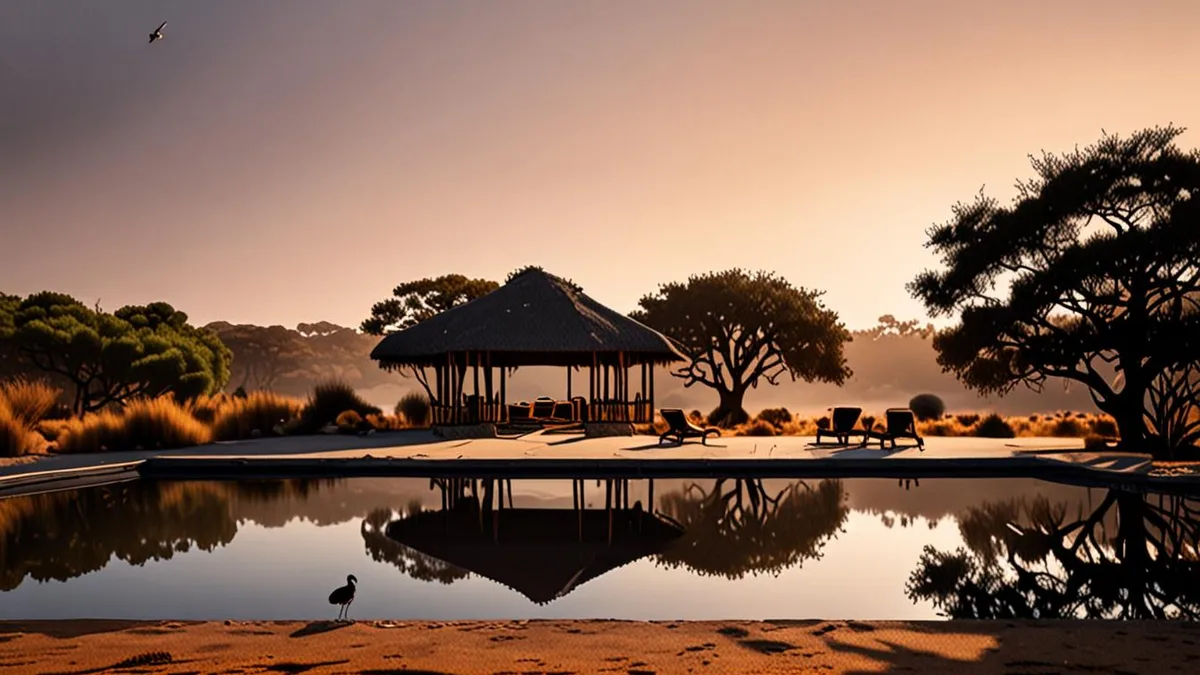
Amboseli sits roughly 240 km from Nairobi, about 4-5 hours by road, and rewards travelers with something the Mara cannot: huge elephant herds moving across open plains with Mount Kilimanjaro rising behind them. The park’s dusty lake beds and swamps concentrate animals, so sightings are reliable even though the landscape is harsher and more open than the Mara’s grasslands. Because Amboseli is a compact park, most lodges position guests within a short drive of the main game areas, which makes it a good choice for shorter stays or for combining with a Mara itinerary.
Samburu, in Kenya’s arid north, is the pick for travelers who have already done a classic safari or simply want fewer vehicles around sightings. The dry country hosts species found almost nowhere else in Kenya, and the atmosphere at most camps is quieter and more intimate. Laikipia’s private conservancies take that exclusivity further, with the added bonus of activities that national parks do not allow. Both regions reward visitors who travel outside the busiest months, when rates soften and the scenery stays striking.
- Amboseli’s dust devils and observation hill: the fine volcanic dust creates the photogenic hazy backdrops you see in safari photos, and the swamp edges are where elephants spend the hottest hours, so plan mid-morning drives around water rather than open plains.
- Samburu’s special five: beyond Grevy’s zebra and reticulated giraffe, look for the beisa oryx, gerenuk and Somali ostrich, species adapted to the dry north that a southern-circuit itinerary will miss entirely.
- Laikipia’s flexible activities: because conservancies are privately managed, lodges can offer walking safaris, night drives and horseback or camel outings, giving you a different rhythm than the standard sunrise-and-sunset game drive schedule.
When to Go: Seasons and Wildlife Timing
Kenya’s seasons shape both your wildlife experience and your budget more than almost any other planning decision. The dry peak season runs from July to October, when vegetation is thin, animals gather at water sources, and game viewing is at its best across the country. This is also when the great wildebeest migration typically reaches the Masai Mara, with dramatic river crossings usually happening between July and September.
Shoulder and Low Season Trade-Offs
The short rains arrive from November to December, bringing lower rates and greener, freshly washed landscapes. Birding is excellent during this window as migratory species pass through, and while animals scatter a little more across the bush, sightings remain genuinely good. Roads in some areas can get muddy, so ask your lodge or operator about access conditions before committing.
The long rains from March to May mark the true low season. Many lodges discount their rates by 20-40% during these months, which makes it the most affordable time to experience high-end camps. The flip side: some camps close entirely for renovation or staff leave, and heavy afternoon downpours can interrupt game drives. If you choose this window, confirm that your preferred lodge is open and that the roads or airstrips you need are operating reliably.
In short, if your priority is the migration and dense wildlife, aim for July to October and book early. If you value quieter parks, lower prices and lush scenery, the green seasons reward flexible travelers.
How to Choose and Book Your Lodge
Choosing a Kenya safari lodge starts with one question: what do you want most from the trip? Some travelers care most about wildlife sightings, others about privacy, scenery or value for money. Once you know your priority, the rest of the decisions fall into place more easily. Here is a practical sequence to follow.
- Match the area to your priority. If you want the migration, head to the Masai Mara. For elephants against a Kilimanjaro backdrop, choose Amboseli. Rare species like Grevy’s zebra point you to Samburu, while travelers who prize fewer crowds should look at Laikipia’s conservancies. Each region also shapes the kind of lodge available, from simple bush camps to larger properties.
- Book according to the season. Peak-season stays, especially in the Mara between July and October, should be reserved 6-12 months ahead because the best lodges fill early. Green-season trips can often be arranged just a couple of months out, sometimes with room to negotiate.
- Decide between flying and driving. Fly-in itineraries use scheduled bush flights from Nairobi Wilson that save hours compared with road transfers, which is often worth the airfare on shorter trips. Road-based circuits cost less and suit longer itineraries with multiple stops.
- Compare rate structures carefully. Some lodges quote full-board rates and price game drives separately, while others are all-inclusive with drinks and activities bundled in. Park-adjacent lodges in particular often charge activities as extras, so calculate the true total before comparing prices.
For a deeper walkthrough of deposits, cancellation policies and timing, our guide on how to book a lodge stay, from costs to booking tips covers the process step by step.
Matching Lodges to Your Travel Group
The right lodge depends heavily on who is traveling with you. A camp that is perfect for a honeymooning couple can be frustrating for a family with young children, and vice versa. Some lodges are built around romance, with just a handful of tents and an adults-focused rhythm, while others are designed with kids in mind from the ground up. Being honest about your group’s needs, budget and travel style before you book saves expensive disappointments later, so take a few minutes to talk it through with everyone who is going.
Families and multi-generational groups should prioritize practical features over atmosphere. Look for genuine family tents with extra beds, a pool for hot midday hours, and clear policies on children joining game drives. It also helps to ask about flexible meal times, shorter drive options, and whether the camp can pair younger travelers with guides who enjoy working with kids. For a detailed checklist on this topic, see our article on how to pick a lodge for a multi-generational group trip.
Couples usually get more from small tented camps, where the experience feels personal rather than programmatic. With fewer guests per guide, staff tend to remember your preferences, and evenings around the fire feel relaxed instead of scripted. First-timers, meanwhile, often do best inside private conservancies, where activity rules are more flexible than in national parks and wildlife sightings come without a line of vehicles.
- Private guides for couples: many small camps include a dedicated vehicle and guide with your booking, letting you set your own pace and spend as long as you like at a sighting.
- Bush dinners and sundowners: romantic extras like lantern-lit dinners in the bush are common at intimate camps, so ask what is included rather than assuming.
- Conservancy flexibility: inside conservancies you can typically do night drives, guided walks and off-road tracking, activities that national parks restrict or forbid.
- Age limits on drives: some camps set minimum ages for open-vehicle game drives or walking safaris, so confirm these rules if you are traveling with younger children.
Planning Your Kenya Lodge Trip
Kenya offers so many safari regions and shifting wildlife seasons that choosing where to stay can feel overwhelming. The simplest way to decide is to match your priority to the area: the Masai Mara suits peak-season migration travelers, while Amboseli, Samburu and Laikipia reward off-peak visitors looking for elephants, rare species or fewer crowds.
Timing matters just as much. July to October delivers top wildlife viewing and river crossings, while March to May trades rougher conditions for lodge savings of 20-40%. Whatever you choose, booking 6-12 months ahead secures the best peak-season lodges at workable prices. If this helped you plan your trip, leave a comment or share the article with a fellow traveler.