You booked a beautiful lodge in the middle of nowhere, and then a thought hits you: when exactly do they feed you? Unlike a city hotel with around-the-clock room service, many lodges serve meals at fixed times, and if you miss the dinner window, the kitchen may already be closed. At a remote property, that can mean going to bed hungry with the nearest restaurant hours away.
This guide walks you through typical lodge meal times, how service styles differ between wilderness lodges and resorts, and what your rate actually includes. We’ll also cover how to handle dietary requests, plan your activities around fixed seatings, and manage dining with kids or a multi-generational group. A quick summary of key takeaways wraps everything up, so you can arrive knowing exactly when and what to expect at the table.
Typical Lodge Meal Times at a Glance
Most lodges keep a fairly predictable rhythm, and knowing it in advance makes planning your days much easier. Breakfast is usually served from 7:00 to 9:30 am, though lodges that run early morning activities, such as guided hikes or game drives, often start serving earlier so guests can eat before heading out.
Lunch and dinner patterns
Lunch generally falls between 12:00 and 2:00 pm. At many lodges it’s a lighter affair, such as a buffet of salads and sandwiches, or a packed option you take with you on a full-day outing. Dinner is commonly a single seating between 6:30 and 8:00 pm at full-service lodges, and everyone tends to eat around the same time.
Check before you arrive
These windows are typical rather than guaranteed, so it pays to confirm the details for your specific property. Some lodges publish exact meal times on their website or include them in your confirmation email. A quick look before you travel helps you schedule activities, plan your arrival, and avoid turning up to a kitchen that has already closed for the night.
How Lodge Dining Service Styles Differ
Not all lodges feed their guests the same way, and the service style often determines how flexible your meal times will be. Understanding the differences before you book helps you choose a property that matches how you like to travel and eat.
Wilderness and safari-style lodges
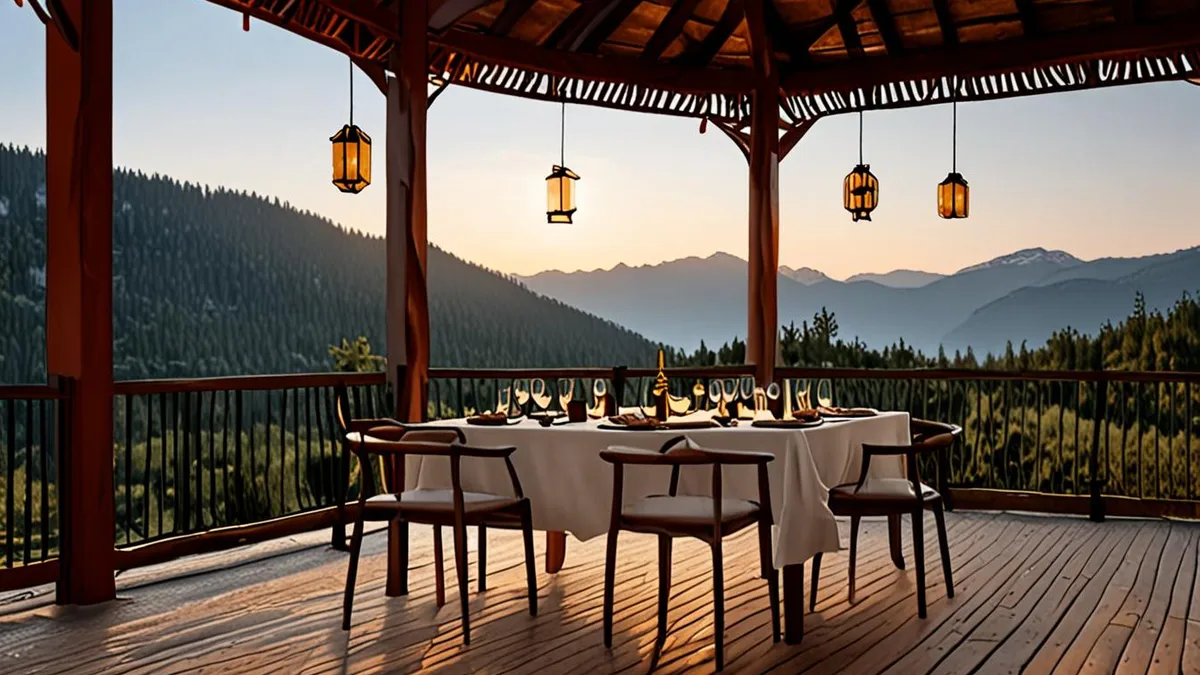
Wilderness and safari-style lodges often work with fixed set menus and family-style dinners served at one seating. Because the kitchen prepares a single menu each night and guests share platters at the table, everyone dines together at the same hour. This creates a convivial atmosphere but leaves little room for late arrivals or individual requests.
Resort-style lodges and flexibility
Resort-style lodges usually offer more freedom. They may have multiple restaurants with à la carte menus and wider time windows, so you can eat when it suits you rather than when the bell rings. For a broader picture of what lodges typically provide, see this guide to lodge amenities, meals and activities.
Buffet breakfasts are standard almost everywhere. Lunch varies more: it might be a buffet, a plated meal, or a trail lunch packed to take away. Smaller lodges often have just one dining room with communal tables, which shapes the schedule for everyone, since the whole lodge tends to eat as one group.
What Meals Are Included in Your Lodge Rate
Before you book, it’s worth understanding exactly what your rate covers, because meal plans vary widely between lodges and can significantly affect your total cost. All-inclusive lodge rates typically cover breakfast, lunch and dinner daily, while room-only rates include no meals at all, leaving you to budget for nearby food or on-site dining costs. Half-board rates usually include breakfast plus dinner, which is a common option at remote lodges where leaving the property for lunch isn’t practical.
Even on meal-inclusive plans, not everything at the table is covered. Drinks, snacks and bar orders are often billed separately, so that evening glass of wine or afternoon coffee may appear as an extra charge on your final bill. When comparing options, it helps to read the fine print, and our guide on how to book a lodge stay covers costs and booking tips in more detail.
A few extra details worth checking before you commit to a meal plan:
- Some lodges offer a picnic or trail lunch as part of half-board plans, while others charge it as an add-on, so ask if you plan full-day excursions.
- Premium items such as specialty coffees, fresh juices or imported drinks are frequently excluded even from all-inclusive plans.
- Children’s meal pricing often follows different rules from adult rates, and some lodges offer discounted kids’ menus only on certain plans.
- Gratuities for dining staff may not be included in the rate, so check whether a service charge is added automatically.
Dietary Requests and Special Meals
Most lodge kitchens can handle allergies, vegetarian and vegan diets, and gluten-free needs, but only if they know about them in advance. A good rule of thumb is to notify the lodge 24 to 48 hours before arrival. That gives the chef time to shop, prep alternatives and adjust the menu without scrambling on the day you show up.
Why remote lodges need extra notice
Remote and wilderness lodges often work from fixed set menus, because they may receive food deliveries only once or twice a week. Flexibility is limited there, so early notice matters most. If you flag a severe allergy two days out, the kitchen can plan around it; if you mention it at dinner, your options may be much narrower.
Families should also ask about children’s meals and whether an earlier dinner sitting is possible for young kids. Some lodges happily serve a simplified plate at 5:30 pm, while others only offer the adult menu at the main seating. It never hurts to ask, and the answer can shape your whole evening routine.
Finally, confirm everything in writing at the time of booking, then mention it again at check-in. The reservation team and the kitchen staff are often different people, and a friendly reminder on arrival helps the kitchen plan portions and keep your meals safe and satisfying.
Planning Your Day Around Lodge Meal Times
Lodge meal times can quietly shape your whole itinerary, especially at lodges that serve dinner in a single seating rather than on a rolling basis. Miss the window and you may find the kitchen closed, the dining room empty and nothing but a vending machine between you and a growling stomach. The good news is that avoiding this scenario takes very little effort. A few questions at check-in, one request at dinner the night before and a small stash of snacks in your room cover most of the common pitfalls. The steps below are the ones experienced lodge guests rely on, whether they are staying at a small wilderness property with one dining room or a larger resort with several restaurants. Use them as a checklist before you arrive, and again on your first evening once you know how the lodge actually runs. A little planning goes a long way, and these simple habits will keep you fed, on schedule and free to enjoy the reason you came in the first place.
- Time your excursions around dinner. Book guided hikes, boat trips or game drives so they wrap up before the evening seating, which at full-service lodges commonly starts in the early evening and finishes by around 8:00 pm. Ask your guide or the front desk how long an activity typically takes, then build in buffer time for the drive back and a quick shower.
- Order a packed lunch the night before. If you plan a full-day outing that will keep you out during the midday lunch window, request a trail lunch or picnic box the evening prior. Most lodges are glad to prepare one, but they usually need advance notice rather than a morning-of request.
- Bring your own snacks for late nights. Remote lodges often stop serving food and drinks after 9:00 or 10:00 pm. If you land late, get hungry after an evening walk or simply want something after dinner, a stash of trail mix, granola bars or fruit in your room saves the day.
- Plan your arrival with dinner in mind. Check in with enough time to settle in and eat, since late arrivals may miss dinner entirely. If your flight or drive will get you in after the kitchen closes, call ahead to ask about options or eat en route.
Treat the lodge’s dining schedule as part of your daily plan rather than an afterthought. Before you travel, jot down the meal windows in your phone alongside your booked activities, and note any cut-off times for snacks or bar service so nobody in your group is caught out after hours. On arrival day, confirm the evening seating time at the front desk and mention any dietary needs again in person, even if you already emailed them. When your activities, arrival time and meal windows line up, everything feels effortless, and you spend your evenings relaxing instead of negotiating with the kitchen.
Dining With Kids and Multi-Generational Groups
Traveling with kids, grandparents or a big extended crew changes the dining math completely. Fixed meal times that feel charming to a couple can be genuinely tricky when you have a toddler who melts down at 6:00 pm or teenagers who sleep until 10:00 am. The good news is that many lodges are well set up for families, as long as you ask the right questions before you book. Our guide to choosing a lodge for a multi-generational group trip walks through the bigger picture, but dining deserves its own checklist.
- Early dinner sittings: Many family-friendly lodges offer an early seating around 5:30 to 6:00 pm, which lets little ones eat before they run out of patience. Ask whether this is offered daily or only in high season, and whether it needs to be reserved.
- High chairs and boosters: Confirm the lodge actually has these on hand and how many are available, since a lodge with six rooms may only own two high chairs. If you need one, request it before arrival rather than at the table.
- Kids’ menus and flexible portions: Some lodges serve smaller versions of the adult set menu, while others offer simple favorites like pasta or chicken strips. Ask whether half portions are possible, since this can trim your food bill noticeably.
- All-day café or snack service: If your group eats at wildly different hours, prioritize lodges with a café, coffee station or all-day snack menu. This lets early risers and late sleepers each eat on their own clock without holding up the table.
One more thing to consider: communal dining tables are common at smaller and wilderness lodges, and they can be wonderful for large groups, turning dinner into a shared event where everyone swaps stories from the day. The trade-off is that everyone follows the same meal schedule, so a sleeping baby or a late-arriving uncle can hold up the whole table. If that sounds stressful, look for lodges with flexible seating or multiple sittings instead, and your whole crew will eat happier.
Key Takeaways on Lodge Dining Schedules
So, when do lodges actually serve meals? Most follow a familiar daily rhythm: breakfast in the early morning, a lighter lunch around midday, and dinner in one evening seating. The main thing to watch is that fixed dinner slot. Arrive late, book an excursion that runs long, or skip checking what your rate includes, and you could find yourself hungry at a lodge with no kitchen open after hours.
A little preparation goes a long way. Before you travel, confirm whether meals are part of your booking, since room-only plans leave you paying for everything out of pocket. If you have allergies or special dietary needs, send those requests a day or two ahead of your arrival, as remote lodges with set menus need advance notice to accommodate you. Plan your excursions and travel time so you reach the lodge before the evening seating, and keep expectations realistic about late-night food options in secluded locations.
If this guide helped you plan your stay, leave a comment or share it with a fellow traveler.