Choosing between a lodge vs hotel vs villa is one of those decisions that looks simple on a booking site and turns out to be anything but. All three show up with attractive photos, comfortable beds and glowing reviews, yet they deliver completely different trips. A lodge can bundle your meals and guided hikes into one rate, a hotel gives you daily housekeeping and a central address, and a villa hands your group an entire private home. Book the wrong one and you may end up paying for things you never use, or missing the things you actually wanted.
This guide breaks down the decision step by step. We start with what each stay type actually offers, then compare real costs, group fit, and what is included in the rate. From there, we look at when a lodge is the clear winner, when a hotel or villa makes more sense, and finish with a quick recap so you can match the stay type to your group size, trip length and budget.
What a Lodge, Hotel and Villa Actually Offer
Lodges are destination stays in nature settings, and the location is usually the whole point. You book a lodge to wake up beside a lake, at the edge of a national park or deep in hiking country, not to be near a city center. Most lodges build communal dining and guided activities into the stay, so guests eat together and join organized outings as part of the experience rather than arranging everything on their own.
Hotels prioritize convenience above all else. You get central locations, daily housekeeping, room service and consistent standards across room types, which is exactly what you want on a short city stay or a business trip. If you change destinations every night or two, a hotel’s predictable setup makes packing up and moving on painless.
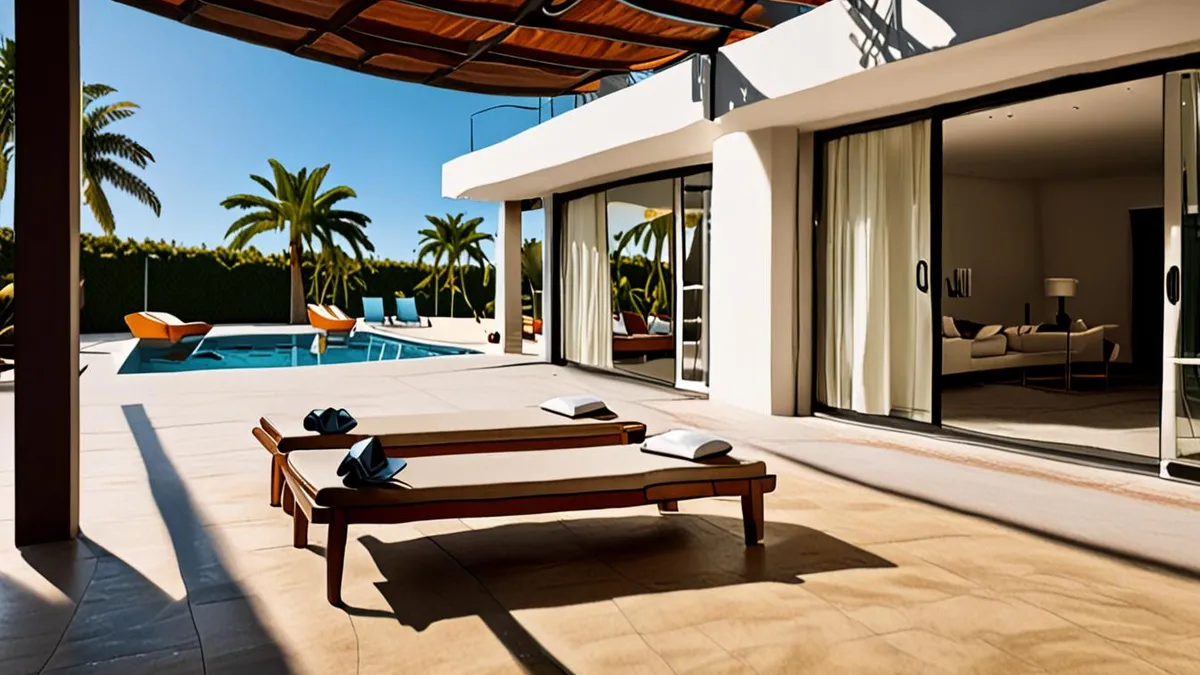
Villas are private, self-catering homes rather than serviced accommodations. A typical villa includes a full kitchen, multiple bedrooms and exclusive occupancy of the whole property, so your group has the run of the place. Nobody cleans your room daily unless you arrange it, and meals are on you.
The core difference in one line
Lodges sell an experience, hotels sell service, and villas sell privacy and space. Once you think of it that way, the right choice for your trip usually becomes obvious.
Lodge vs Hotel vs Villa: Costs Compared
Lodges typically run $150-$600 per night, and luxury wilderness properties can exceed $1,000. That sounds steep until you remember what is often bundled in: most lodges include meals or at least half-board, plus guided outings. A nightly rate that looks expensive may actually replace a restaurant bill and a paid tour you would otherwise book separately.
Hotels span $80 budget rooms to $400+ per night in major cities. The sticker price rarely tells the whole story, because city taxes and parking often add 15-25% on top in urban destinations. If you drive, factor in those extras before comparing a hotel to a villa.
Villas usually list at $200-$1,000 per night, which can look intimidating for a couple. The math changes completely for groups, though. Splitting a villa across 6-10 guests can drop the per-person cost to $30-$100, often undercutting a hotel room.
- Food changes the comparison: since lodge rates usually include meals or half-board, compare total trip food costs, not just nightly rates, when weighing a lodge against a hotel or villa.
- Hidden hotel extras: resort fees, parking and city taxes can quietly push a mid-range hotel toward the top of its price band.
- Villa groceries count too: self-catering means budgeting for a grocery run or a hired cook, which is still usually cheaper than eating out for a whole group.
- Timing matters for lodges: rates peak in high season, so flexible dates can shift a lodge from luxury pricing to mid-range.
For a deeper look at rates, seasons and how to lock in a good deal, see how to book a lodge stay: costs, seasons and booking tips.
Space and Group Fit: Which Stay Type Handles Your Party
Villas win for groups of 6-10, and it is not close. Shared kitchens, living rooms and bedrooms keep everyone together under one roof, which means late-night conversations in the living room instead of texting from separate hotel rooms. Everyone gets a real bedroom, and the common space becomes the natural gathering point of the trip.
Hotels suit couples and solo travelers who need only one or two rooms and value daily housekeeping. There is no cooking, no shared fridge negotiation and no minimum stay to plan around. For short trips, that simplicity is worth a lot.
Lodges and multi-generational groups
Lodges work well for multi-generational groups when they offer family rooms or connecting units plus shared activities. Grandparents can retreat to a quiet unit while the kids join a guided outing, and everyone reunites for communal meals. Choosing the right property makes all the difference, so it helps to read up on how to pick a lodge for a multi-generational group trip before committing.
One planning detail catches many groups off guard: most villas enforce minimum stays of 3-7 nights in high season. That rules out a quick two-night getaway and shapes short-trip planning significantly. If your trip is shorter than a week, check the minimum stay policy before falling in love with a particular villa, or lean toward a hotel or lodge that accepts shorter bookings.
Meals, Activities and What Is Included
One of the biggest differences between these three stay types shows up at mealtime and on the daily schedule. Lodges are usually packaged stays: most bundle breakfast and dinner into the rate, and many add guided outings such as hikes, boat trips or wildlife viewing. You arrive, and the structure of your days is largely handled for you.
Hotels, by contrast, include very little beyond the room itself. Even breakfast is often a paid extra unless it is clearly listed in your rate. You will typically budget separately for restaurants, tours, airport transfers and any equipment rentals. That flexibility suits travelers who like choosing their own restaurants and book activities on the fly, but it means the nightly rate is only part of your real daily spend.
Villas are fully self-catering. You shop and cook in your own kitchen, hire a private chef for a night or two, or eat out nearby. Activities are arranged independently too, so you handle your own guides, rentals and transport.
If your trip revolves around outdoor experiences, the lodge’s included activities can genuinely offset a higher nightly rate. A single guided outing plus two meals a day adds up quickly when booked separately elsewhere. For a closer look at what is typically bundled in, see what a lodge stay includes from meals to guided activities.
- Some lodges offer packed lunches on full-day excursions, which matters when you are out on trails or water from morning until late afternoon.
- Guided activities at lodges are usually led by staff or local guides who know the property’s surrounding terrain, so you often skip the research and booking work you would do from a hotel or villa.
- Villa chefs typically charge a fee on top of the grocery cost, so ask whether quoted rates include ingredients or just the cooking service.
- Hotel resort fees, where they apply, sometimes cover extras like pools or fitness centers, but rarely meals or off-property tours.
When a Lodge Beats the Alternatives
A lodge makes the most sense when the setting is the whole point of the trip. Think national parks, lake regions, wilderness areas and hiking destinations, where you want to step out of your room and already be in the landscape. The lodge is not a base near the attraction; it is the attraction, and the remote location is exactly what you are paying for.
Timing your lodge booking
Peak lodge season runs June through August in North America and December through February in Patagonia, when weather is best and demand is highest. Rates climb accordingly, and the most desirable properties fill up early. For those windows, book 3-6 months ahead to get your pick of rooms and dates rather than settling for what is left.
Shoulder season is the smart traveler’s workaround. In northern destinations, May and September through October often bring noticeably lower rates while trails remain open and wildlife is still active. You trade some weather certainty for quieter common areas and easier reservations, which many travelers consider a fair deal.
When to skip the lodge
Lodges are usually remote by design, which works against them in certain situations. If your trip depends on city nightlife, walkable restaurants or quick airport access, a lodge will frustrate you. Long drives to dinner or the nearest town are the norm, not the exception, so choose this stay type only when the natural setting genuinely drives your itinerary.
When a Hotel or Villa Is the Smarter Choice
For short city stays, business trips or itineraries where you change destinations every 1-2 nights, a hotel is hard to beat. Check-in is fast, locations are central, and daily housekeeping keeps things simple when you are living out of a suitcase. There is no grocery shopping, no minimum stay requirement and no cleaning to arrange before you leave.
Where a villa earns its keep
A villa shines on week-long group holidays where privacy, a private pool and cooking together matter more than daily service. Everyone gets their own bedroom, the living room becomes the social center, and splitting the rental across 6-10 guests can push the per-person cost down dramatically compared with booking separate hotel rooms. For that math to work, though, you need to stay long enough to justify it. Keep in mind that most villas enforce minimum stays of 3-7 nights in high season, so a quick weekend trip is rarely on the table.
Villas also suit travelers with specific practical needs. If you or someone in your group has dietary restrictions, a full kitchen means every meal is under your control, with no relying on restaurant menus. Families with young children benefit from flexible meal times and the ability to put kids to bed without leaving a restaurant.
The case for predictability
Hotels remain the safest bet for predictable standards and last-minute bookings. Brand consistency means you generally know what you are getting before you arrive, and availability is usually better on short notice. Villas and lodges tend to sell out earlier, especially over peak-season dates, so spontaneous trips favor hotels almost by default.
Quick Recap: Matching the Stay Type to Your Trip
The wrong stay type can quietly reshape your whole trip. A hotel booked for a group holiday means splitting up across rooms and eating every meal out, while a villa booked for a two-night city stopover runs into minimum-stay rules and a kitchen nobody uses. The fix is simple: match the stay type to your group size, trip length and how much you want included.
Lodges suit nature trips where meals and guided activities come built in, and peak-season dates go early, so plan 3-6 months ahead. Hotels fit short city stays and travelers who value service and flexibility. Villas fit groups of 6-10 on week-long stays, where splitting the rate can bring per-person costs down to $30-$100. Get that match right, and the booking almost makes itself. If this helped you decide, leave a comment or share the article with someone planning their next trip.