How much does glamping cost? It’s the first question every curious camper asks, and the answer is frustratingly vague: anywhere from around $100 a night to well over $1,000. That huge range leaves first-timers stuck. Is $150 a night a genuine bargain for a safari tent with a real bed, or are you quietly overpaying for a structure that’s little better than a cabin you could rent elsewhere for less?
The truth is that glamping pricing depends heavily on what you’re sleeping in, where it sits, and when you book. A canvas bell tent with a shared bathhouse and a geodesic dome with a private hot tub are barely the same product, yet both get sold under the glamping label. This guide breaks costs down by stay type, from budget tents to premium treehouses and luxury resorts, then covers how season and timing shift prices and which hidden fees to budget for beyond the nightly rate.
What Is Glamping and Why Prices Vary So Much
Glamping sits in a pricing sweet spot between two very different worlds. On one end, you have traditional campgrounds, where a basic site typically costs a fraction of a hotel room. On the other end are full-service resorts with restaurants, spas and staff. Glamping blends a camping setting with hotel-style comfort, so its rates land somewhere in the middle: you pay more than a tent pad, less than a lodge, and what you get in return is a real bed, solid furniture and often a private setting in nature.
The four biggest price drivers
Not all glamping units are priced the same, and four factors explain most of the difference. First is structure type: a simple canvas tent costs far less to build and maintain than a treehouse or a glass-domed pod, and nightly rates reflect that. Second is bathroom access. A unit with its own ensuite bathroom commands a premium over one where you walk to a shared bathhouse, sometimes by a wide margin.
Third is location. A glampground a short drive from town with plenty of sites can keep rates moderate because it competes on convenience. Fourth is season, which can swing prices dramatically at the same property. Understanding these four drivers makes it much easier to judge whether a given rate is fair before you book.
One more pattern to know: remote, scenic sites with limited inventory command higher rates than drive-in glampgrounds near towns. If a property has only a handful of units perched on a cliffside or lakeshore, the owners know scarcity lets them charge more. That view may be worth it, but you should know you’re paying for the setting, not just the bed.
Glamping Tents: The Budget-Friendly Entry Point
If you want to try glamping without committing resort-level money, canvas is the way in. Safari tents and bell tents typically run $100-$200 per night, which makes them the most accessible entry point into the glamping world. You get the under-canvas experience, often on a scenic site, at a rate that can undercut many mid-range hotels.
What the lower end gets you
At the bottom of that range, shared bathrooms are common. You’ll walk to a central bathhouse, much like at a developed campground, though it’s usually cleaner and less busy than a state park facility. As you move toward the top of the range, ensuite units appear, with a private bathroom attached directly to the tent. If having your own toilet and shower matters to you, expect to pay for it.
Inside, the promise of glamping holds up: a real bed with proper linens, furniture, lighting and usually a deck or porch. What you shouldn’t expect are the extras. Heating is limited or absent in many canvas tents, full kitchens are rare at this level, and climate control is basically whatever the weather gives you. Pack warm layers for cool nights and check with the host about what’s actually inside the unit before you book.
Timing matters here too. These budget tents fill fast in summer, and rates climb with demand. If your dates are flexible, it helps to read up on the best seasons for glamping in the US before locking in a weekend, since shoulder-season stays at the same tent can cost noticeably less.
Cabins, Yurts and Pods: Mid-Range Glamping Costs
Step up from canvas and you enter the mid-range of glamping: cabins, yurts and pods. This is where many first-timers land, and for good reason. You keep the outdoor setting and the sense of escape, but you trade flapping tent walls for solid construction and a lot more comfort.
Why solid walls change the experience
The big difference is the structure itself. Cabins have real walls, yurts are heavily insulated and pods are purpose-built enclosed units. That means climate control: heating for chilly nights and often air conditioning for summer heat, neither of which you can count on in a tent. Private bathrooms are also common at this level, so you’re rarely trekking to a shared bathhouse in the dark.
For families, this tier is often the best value in glamping. Many cabins and yurts sleep four or more people, and a kitchenette lets you cook breakfast and simple dinners instead of paying for every meal out. When you split the nightly rate between a family of four, the per-person cost starts to look a lot like a budget hotel, except with a fire pit outside the door.
Choosing within this tier comes down to matching the unit to your trip. Before you book, it helps to read about how to choose the right glamping site for your first trip, since factors like distance to town, on-site amenities and bathroom setup vary more between mid-range properties than the photos suggest. A yurt on a working farm and a cabin in a resort-style glampground can cost the same but deliver very different stays.
Premium Stays: Domes, Treehouses and Airstreams
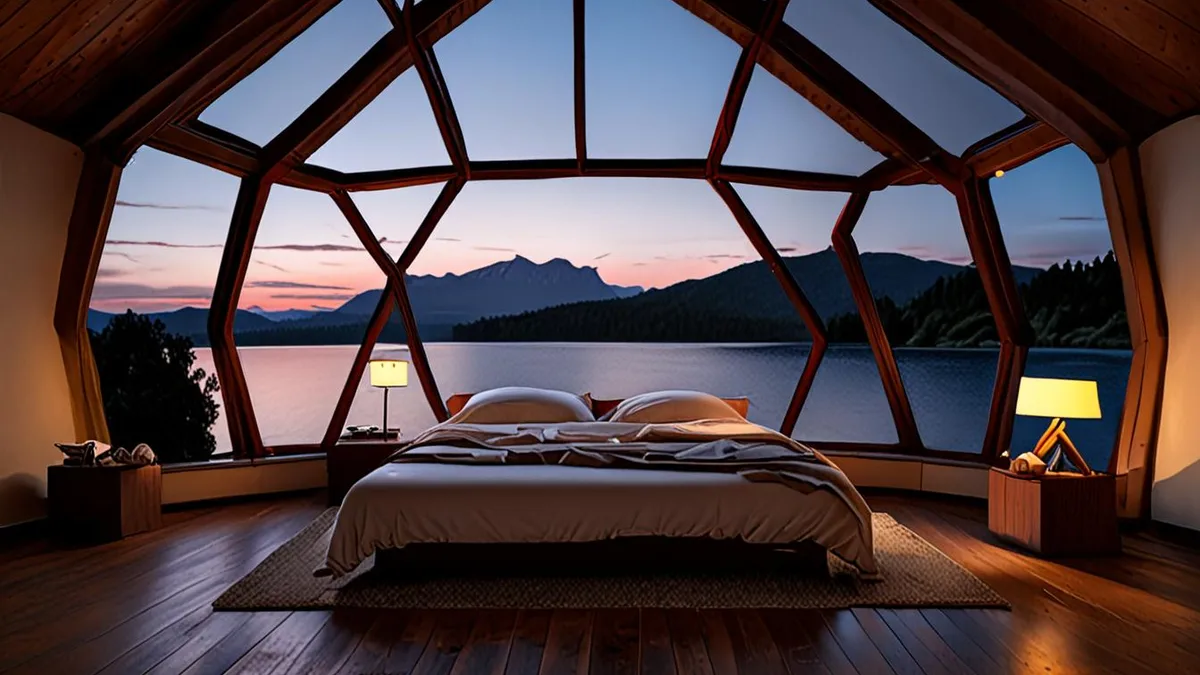
Once you move past tents and yurts, glamping enters true boutique-hotel territory. Treehouses, geodesic domes and renovated Airstreams sit at the top of most glampgrounds’ price lists, and the jump in cost comes with a jump in experience. These are the stays people book for anniversaries, milestone birthdays or a single splurge night in the middle of a road trip.
What you’re actually paying for
The premium buys design and setting more than square footage. Think floor-to-ceiling panoramic windows framing a canyon or coastline, cedar interiors with custom lighting, a private deck, or a wood-fired hot tub under the stars. Seclusion is part of the price too: many of these units sit alone on a property, so you’re often paying for privacy that a busy campground can’t offer.
Inventory is also tiny. A property might have one treehouse and two domes, which means popular dates sell out early and owners can charge accordingly. If a specific stay is on your bucket list, booking well ahead matters even more than it does for standard sites.
Above this tier sits the ultra-luxury end. All-inclusive glamping resorts with chef-prepared meals, guided activities and spa-style amenities can exceed $600-$1,000+ per night, bundling dining and experiences into the rate. At that point you’re comparing them to lodges and resorts, not campgrounds. For a first glamping trip, though, a single night at a premium property usually delivers all the wow factor you need.
How Season and Timing Affect Glamping Prices
Timing has a bigger impact on glamping prices than most first-timers expect. Because many properties only have a handful of units, demand swings hit rates hard. Peak season, roughly June through August, typically runs 20-50% higher than shoulder season at the same property. The same dome that commands top dollar on a summer Saturday might drop noticeably in late May or late September, often with better weather for hiking and thinner crowds at popular trailheads.
Booking windows matter too. For peak summer weekends, plan on booking 2-3 months ahead, especially in high-demand regions and for one-of-a-kind stays like treehouses that never sit empty long. Off-season, 2-4 weeks ahead is usually enough, and genuine last-minute deals do appear when owners would rather discount an empty unit than leave it dark for the night.
- Weekly rates: Many hosts offer weekly stays at savings of 10-20% versus the nightly rate, which makes a longer trip cheaper per night than a two-night weekend.
- Cleaning fees: On bookable platforms, cleaning fees are common and can add a real percentage to a one- or two-night stay, so check the full price before committing.
- Midweek shifts: Shifting arrival from Friday to Sunday or Monday can lower both the nightly rate and the minimum-stay requirement, since some hosts set two- or three-night minimums for weekends only.
- Holiday premiums: Expect rates around major holiday weekends to sit at the very top of a property’s range, with stricter cancellation terms than ordinary dates.
If your schedule is flexible, the simplest saving is moving your trip to shoulder season. You keep the same bed, the same view and the same hot tub, just at a friendlier price. Check the property’s calendar across a few different months before you book, because rate differences between two nearby weekends can be surprisingly large.
Hidden Costs to Budget Beyond the Nightly Rate
The nightly rate is only the starting point of a glamping budget. Before you book, add up the full cost of the trip: travel distance to the property, meals (many units have no restaurant on site), and optional add-ons like firewood bundles, kayak rentals or guided activity fees. A stay an extra two hours down a scenic road can quietly cost more in gas and time than a pricier site closer to home.
Compare the total, not the headline
When you’re choosing between stays, always compare the total price including fees, not just the headline nightly rate. A tent at $120 plus a $90 cleaning fee can cost more per night than a cabin at $180 with no extra fees. Booking platforms show the breakdown before checkout, so take thirty seconds to read it. If you’re weighing glamping against a traditional camping trip, it helps to see how the two really compare on cost and comfort — this glamping vs camping cost breakdown covers that side by side.
Check what’s included
First-timers should weigh what’s included against the sticker price. Some budget-friendly sites expect you to bring your own linens or cooking gear, while others include fresh bedding, towels, a stocked kitchenette and a private bathroom. A cheaper bare-bones option can end up costing the same once you buy or pack the missing essentials — and you’ll spend your first evening making beds instead of watching the sunset. Read the amenities list carefully, and match it to how much comfort you genuinely want on your first trip.
Wrapping Up Your Glamping Budget
So how much does glamping cost? As a rough guide, expect $100-$200 per night for a tent, $150-$300 for a cabin, yurt or pod, and $300-$600 for premium stays like treehouses and domes. That means a $150 night could be a solid deal for a solid-wall cabin with a private bathroom, or a bit steep for a shared-bathroom tent. Context is everything.
Timing also moves the numbers. Shoulder-season dates and weekly bookings cut costs the most, so a flexible schedule can bring a premium-style stay closer to a mid-range budget. Finally, match your budget to the comfort level you actually need for your first trip: if a real bed and a private bathroom matter to you, skip the bare-bones option. If you’ve been glamping lately or have a favorite stay type, share it in the comments.