Sleeping in a treehouse sounds magical, but most travelers have no idea what these stays actually include, how much they cost, or how far ahead they need to book. Is it a real bed and a hot shower, or a sleeping bag on a plywood platform? The answer varies more than you might expect, and booking the wrong one can turn a dream night into a damp, ladder-climbing disappointment.
This guide walks you through everything you need to know about treehouse stays: what they really are, which amenities to expect, typical nightly prices, the best time to go and how far in advance to reserve, how to pick the right one for your group, plus booking steps and a smart packing list. A quick wrap-up at the end pulls the whole plan together so you can go from browsing to booked with confidence.
What Treehouse Stays Actually Are
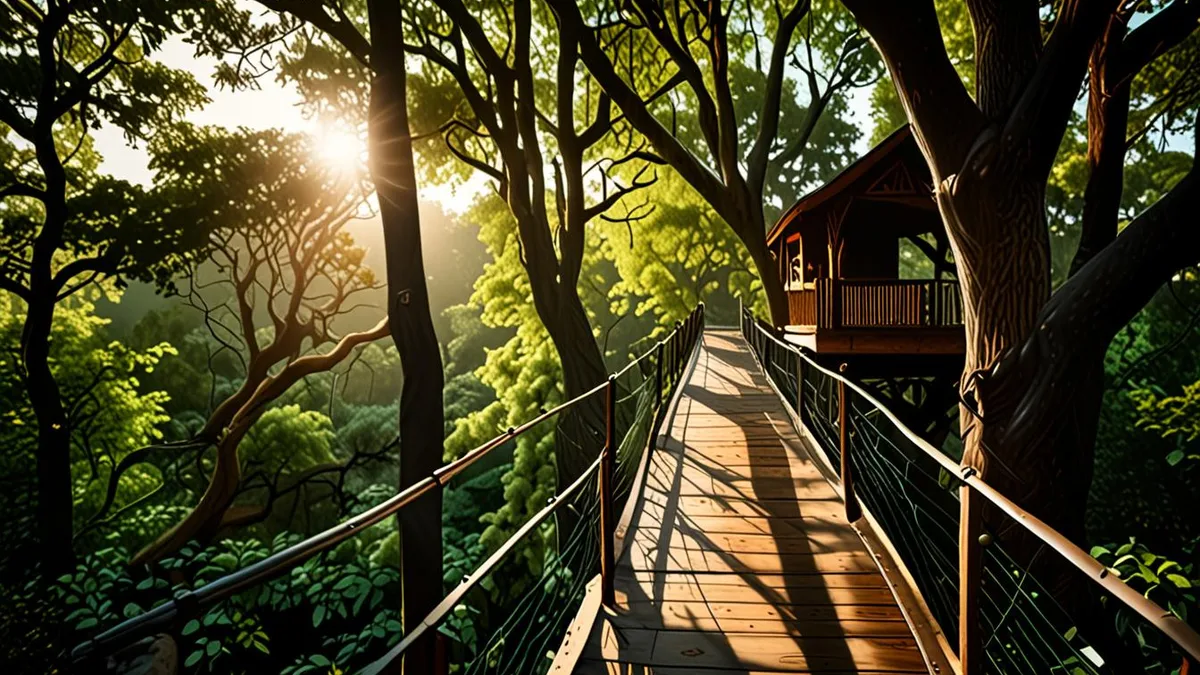
A treehouse stay is a purpose-built cabin raised on stilts or a platform, typically 10 to 30 feet above the ground. It is not a canopy tour platform you zip into for an hour, and it is not the wobbly backyard structure you climbed as a kid. These are real accommodations designed for overnight guests, with stairs, railings and often solid walls and windows.
From rustic platforms to full cabins
The range is wide. On the simpler end, you will find one-room platforms with a bed, basic weather protection and little else. On the other end are multi-room builds with heating, electricity and full plumbing, essentially a small cabin in the trees. Most fall somewhere in between: a comfortable single room with power, climate control and access to a bathroom.
You will typically encounter treehouse stays in two settings. Many are part of a small glamping resort, where a handful of units share grounds with other unique accommodations and sometimes shared facilities. Others are standalone rentals on private wooded land, hosted by the property owner. Both can be excellent, but they shape your experience differently, from check-in logistics to how quiet your night will be.
Amenities and Comfort Levels to Expect
Forget the image of roughing it. Most treehouse stays today come with real beds, heating or fans, and electricity, so you can charge your phone and read at night like you would in any hotel room. Wi-Fi is common in many builds, though some properties intentionally keep it weak or absent to preserve the off-grid feel. Most rentals also include a private bathroom, either inside the unit or in a nearby bathhouse a short walk away, so confirm which setup you are getting before you book.
Sleeping capacity is another thing to check. Most units are built for 2 to 4 guests, while some larger family builds handle up to 6. If you are new to this style of travel, it helps to understand how treehouses fit into the wider world of glamping versus traditional camping, since comfort levels vary just as widely across both.
Beyond the basics, extras vary a lot by property. You might find any of the following:
- Outdoor showers: common at warmer-climate properties, often enclosed for privacy and a highlight of the stay in summer.
- Fire pits: many properties provide firewood or sell bundles on-site, so ask before hauling your own.
- Hot tubs: usually private to your unit at higher-end builds, sometimes shared at smaller resorts.
- Kitchenettes: typically a small fridge, microwave and coffee maker rather than a full stove, so plan meals accordingly.
- Breakfast delivery: some hosts leave a basket at your door or offer a pre-ordered morning drop-off.
How Much Treehouse Stays Cost
Treehouse stays typically run from about $150 to $500 per night, with luxury builds exceeding $600. Where a property lands in that range depends on size, amenities like private hot tubs or full kitchens, and how dramatic the setting is. A simple one-room platform in the woods sits near the low end, while a multi-room build with a treetop deck and spa features can climb well past the midpoint.
Timing changes the price
Weekend and peak-season dates push rates toward the top of the range, sometimes dramatically so at popular properties. Midweek stays, by contrast, often save you 20 to 30 percent. If your schedule is flexible, a Sunday or Monday night gets you the same treehouse for noticeably less, and the woods are usually quieter too.
Before you budget, look past the nightly rate. Many rentals add a cleaning fee, and a 2-night weekend minimum is common, which means the real total for a weekend is often double the advertised rate plus fees. Do the full math on two nights, add the cleaning fee, and compare properties on that number rather than the headline price. It is the difference between a stay that looks affordable and one that actually fits your budget.
When to Go and How Far Ahead to Book
The sweet spot for treehouse stays runs from late spring through early fall, roughly May to October in most US regions. Nights are warm enough that heating matters less, the foliage is full, and outdoor extras like fire pits and deck breakfasts actually get used. If you want help picking the right month, this month-by-month guide to glamping seasons in the US breaks down what to expect across the calendar.
How far ahead to book
Peak-season weekends are the tricky part. Popular treehouse resorts often fill those dates 3 to 6 months in advance, especially for summer Fridays and Saturdays. If you have your heart set on a specific weekend in July or August, put a reminder on your calendar for early spring.
Shoulder-season midweek dates are far more forgiving. A Tuesday or Wednesday night in late May or early September can often be booked just a few weeks out, sometimes even days ahead if a cancellation opens up. Midweek stays also tend to cost less, which is a nice bonus.
One warning: fall foliage weeks in September and October are among the fastest to sell out. Leaf-peeping season turns these properties into hot commodities, so if you want a treetop view of red and gold leaves, book as early as you would for a peak summer weekend.
How to Choose the Right Treehouse Stay
Not all treehouse stays are built the same, and the differences matter more here than in a standard hotel. Because these are small, often custom-built structures on private land, the details of access, climate and setting can make or break your trip. A little research before you book saves a lot of surprises on arrival.
Start with how you actually get up into the treehouse. Most builds sit 10 to 30 feet above ground, and the way up varies widely: some have solid staircases with railings, others use ship ladders or spiral stairs, and a few use rope bridges or steep ladders. If you are traveling with small kids, older parents or a cooler full of drinks, that detail matters a lot.
Then look at what the build includes. Some budget-friendly treehouses are genuinely rustic, with no heating, a shared bathhouse or a composting toilet. That can be part of the charm, but only if you know it going in.
Questions to check before you commit
- Winterization: ask whether the unit stays usable in cold or rainy weather, since some platforms close for part of the year.
- Water and power setup: confirm whether electricity is full-strength or solar-limited, which affects hair dryers, kettles and charging devices.
- Photo accuracy: scan recent guest photos, not just the host’s gallery, to see the real condition of the deck, stairs and interior.
- Setting type: a forest canopy hideaway, a vineyard perch, a lakeside platform and a treetop ocean view each create a very different trip.
Finally, read the most recent reviews rather than the overall rating. Guests often mention noise from nearby roads, surprise wildlife encounters at night, or whether the build looked older in person than in the listing photos. A few minutes of reading gives you a far clearer picture than any description.
Booking Steps and What to Pack
Booking a treehouse stay is straightforward, but a few extra steps will protect your money and your sanity. Unlike a chain hotel where you can call a front desk at any hour, a treehouse is often a small, self-check-in property at the end of a gravel road, run by a single host who may be managing several rentals at once. That means small details like parking spots, gate codes and luggage routes matter far more than they would at a standard resort. The key is to confirm the logistics before you drive down a dark forest road at night wondering where to park. A short exchange with your host a few days ahead solves most of these problems before they become stressful.
- Choose your booking channel. Booking directly on the property’s own site often gets you better communication with the host, while a major platform offers standardized payment protection. Either works; just make sure the listing is legitimate before paying, with real reviews and clear photos.
- Confirm the cancellation policy in writing. Weather and illness happen, and treehouse stays often have stricter policies than hotels because each unit is one small, hard-to-resell inventory item. Get the terms in a message you can refer back to.
- Note the minimum stay requirements. Many treehouse rentals require a 2-night minimum on weekends, which affects both your dates and your total cost. Build that into your plan before you commit.
- Message the host before arrival. Ask about access directions, where to park, whether luggage needs to be carried up stairs or a ladder, and how check-in works if the property is unstaffed. Hosts would rather answer these questions than have you arrive confused.
- Pack with intention. Bring layers for cool nights, closed-toe shoes for gravel paths and stairs, a flashlight for navigating after dark, and insect repellent for the wooded setting. For everything else, work through a complete glamping packing checklist so nothing gets left behind.
Doing these steps in order takes maybe twenty minutes of your time, most of it spent on one or two messages to your host. In exchange, you arrive knowing exactly where to park, how to get in, and what is waiting for you up in the trees. That is exactly the relaxed start a treehouse trip deserves, and it lets you spend your first evening enjoying the view instead of sorting out logistics by phone signal.
Wrapping Up Your Treehouse Stay Plan
A treehouse stay is far more approachable than most people assume. You sleep in a real bed, with heating and a proper bathroom, and the whole cabin rests on a platform partway up a tree or on stilts among the branches. It feels like an adventure from childhood, but without sleeping bags, cold nights or a climb that leaves you winded. For many guests, the appeal is exactly that balance: a genuine sense of being up in the trees, paired with the comfort of a small, well-built cabin.
Planning one is simpler than it looks. Start by deciding what kind of setting you want, whether that’s a forest canopy, a vineyard or a spot near the water. Then think about how you’ll get up to your room, since some builds use gentle stairs while others use ladders or rope bridges, and that matters if you’re traveling with kids, older guests or heavy luggage. A quick message to the host about access and parking will answer most questions before you arrive.
Packing is easy, too. Bring layers for changing temperatures, closed-toe shoes for walking on forest paths, a flashlight for finding your way after dark, and insect repellent. Beyond that, treat it like any other cabin trip. If you’ve stayed in a treehouse before, or you have questions before booking your first one, leave a comment below or share this article with a fellow traveler who’d love a night in the treetops.