One of the most common glamping mistakes is also the easiest to avoid: packing for a hotel when you’re really headed to a furnished campsite, or the reverse. Some guests haul bulky bedding and towels the glamping host already provides, while others arrive at night without a flashlight or their medications. Both problems come from the same confusion — not knowing where the host’s amenities end and your own responsibility begins.
This guide breaks the split down clearly. We’ll cover what a typical host supplies, from linens to cooking gear, and what stays on your side of the checklist, like toiletries and food. You’ll also learn how to confirm the details with your host before booking, how the split changes between safari tents, cabins and bare platforms, and how to pack for the season. We’ll finish with the packing mistakes glampers make most often, so you can arrive prepared without overstuffing the car.
What a Glamping Host Typically Provides
The whole point of glamping is that the heavy lifting is done for you, and that starts with sleep. At most glamping properties, a real bed with a mattress, bedding, linens and pillows is standard — you won’t be wrestling with a sleeping bag or an inflatable pad. Towels are usually included too, just like a hotel, though some rustic sites ask you to bring your own. If you’re booking a platform tent or yurt, don’t assume the bed will be made up on arrival; some hosts leave sheets folded neatly on top so you can make it yourself.
Kitchen setups vary more than bedding does, so this is the area worth studying before you book. Most hosts supply the cooking basics you’d need to make actual meals, not just reheat snacks. Beyond bedding and cookware, hosts generally handle the utilities that make a tent or yurt livable: light after dark, warmth on cold nights and airflow on hot ones. Firewood rounds out the list, and it’s the one item that catches guests off guard most often — some properties include it, some sell bundles on-site, and some expect you to source your own, so ask before you count on a campfire.
- Bedding and linens: Expect made or ready-to-make beds with sheets, blankets and extra pillows; some hosts also leave spare blankets for colder nights, so you rarely need a sleeping bag.
- Cooking equipment: Pots, pans, plates, cutlery and often a grill or campfire grate are provided, and many setups add basics like a cutting board, serving spoons and a kettle or coffee maker.
- Lighting, heating and cooling: Lanterns, string lights, propane heaters or fans are common inclusions, so you usually don’t need to pack a camp lantern unless you want one for walks after dark.
- Firewood: Many properties include a starter supply or sell bundles on-site, but availability varies widely — confirm before your trip so you’re not hunting for wood at dusk.
What You Bring: The Guest Checklist
Even at the most comfortable glamping sites, a short list of items stays firmly on your side of the split. The biggest category is personal: hosts supply the bedding and towels, but they rarely supply what touches only you. Think of it this way — anything a hotel bathroom would stock is your job to bring, from soap and shampoo to contact lens solution. Forgetting these is one of the most common reasons a glamping trip starts on the wrong foot, so pack your toiletry bag a day before departure rather than scrambling at the last minute.
Clothing is the second category, and it trips people up because glamping sites sit in places where temperatures swing hard between afternoon and midnight. A warm July day can still end with a chilly night, so layers beat a single heavy jacket every time. Food is third: unless your host explicitly stocks provisions, plan your own meals and snacks, and remember that the nearest grocery store may be a long drive from your site. For a fuller breakdown, this complete glamping packing checklist walks through everything item by item.
- Toiletries and medications: Pack soap, shampoo, toothbrush, any prescriptions and shower shoes — shared or outdoor bathrooms are common, and flip-flops for the shower floor are an easy thing to forget.
- Clothing layers: During the May to October season, bring a mix of breathable daytime clothes, a warm midlayer and a windproof outer layer for evenings around the fire.
- Food and drinks: Bring your specialty items, snacks and coffee; some hosts leave a few pantry staples, but never build a meal plan around supplies you haven’t confirmed.
- Small essentials: A flashlight or headlamp, phone charger and a small first-aid kit cover the gaps — many sites have limited or no lighting on paths, and outlets can be scarce.
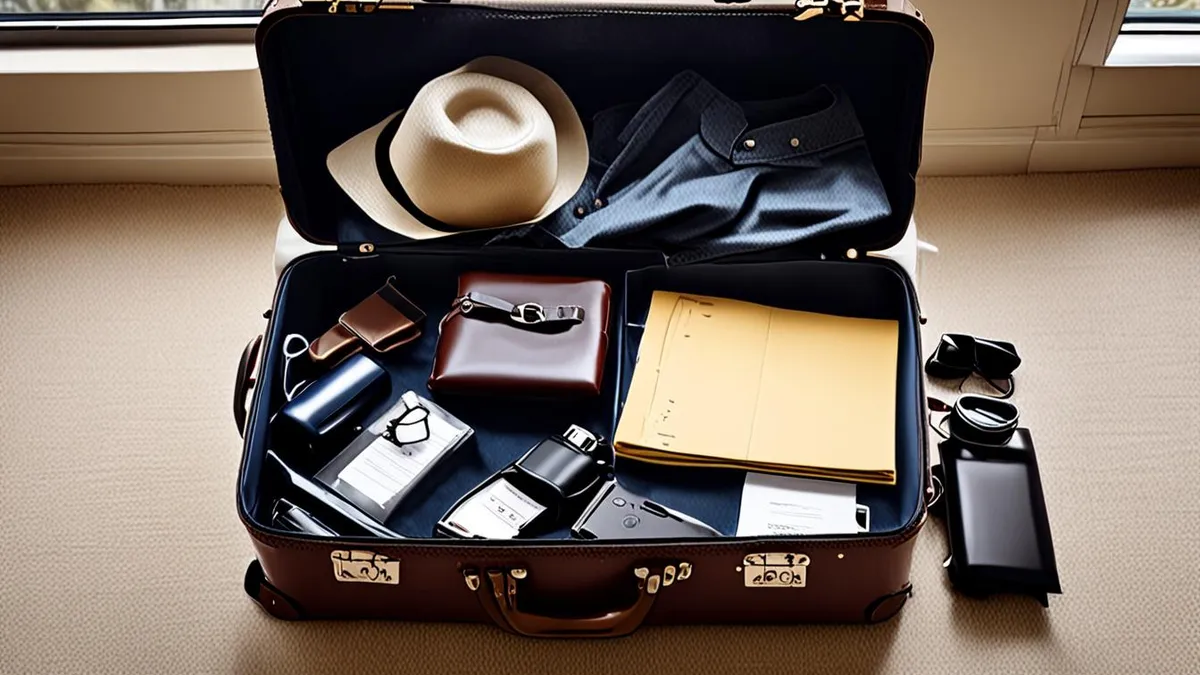
How to Confirm What Your Glamping Host Includes
The fastest way to avoid packing mistakes is to stop guessing and start confirming. Listings vary enormously between platforms and hosts, and two sites that look identical online can have very different setups on the ground. A safari tent with a full kitchen and a bare platform with a shared bathhouse might use the same photos, so the details matter. Before you book — ideally two to three months ahead for summer weekends, when the best sites go first — work through a short list of questions. If you’re still deciding where to go, this guide to choosing the right glamping site for your first trip walks through how to compare options before you commit.
- Read the amenity list line by line. Don’t skim the photos and assume; listings usually spell out exactly what’s included, from linens to cookware, and the fine print often notes what’s missing, like towels at rustic sites.
- Message the host about the practical details. Ask specifically about firewood, drinking water, cooking fuel (propane? charcoal? none?) and Wi-Fi, since these are the items guests most often assume are included and aren’t.
- Ask about check-in logistics. Find out whether the site is staffed or self-check-in, how you’ll get the key or code, and what happens if you arrive after dark — this affects whether you need a headlamp and how early you should show up.
A five-minute conversation with your host answers more than any listing ever will, and hosts generally appreciate guests who ask. Get these details settled before you book, and your packing list practically writes itself.
How Stay Type Changes the Split
Not all glamping is the same, and the structure you book changes the packing math more than anything else. A safari tent or yurt usually comes closer to a furnished room: real beds, rugs, side tables, and often a small seating area outside. Bare platforms, on the other hand, may give you little more than a level surface and a roof, so check whether furniture and bedding are part of the deal before you assume they are.
Cabins and A-frames tend to sit at the most comfortable end of the spectrum. Many include a full kitchen with a stove, refrigerator and running water, which means you can skip most cooking gear entirely and just bring your food. If a home-cooked setup matters to you, this category usually delivers it.
Shared facilities mean more self-sufficiency
Tent sites with shared bathhouses or communal kitchens sit closer to traditional camping. You may need to carry your gear a short distance, share a bathroom, and bring a few more personal items than you would in a private unit. The difference shows up in your packing list: a private cabin with running water asks far less of you than a platform tent that relies on a bathhouse a short walk away.
Structure also shapes what you pay. A basic platform or tent site typically sits at the lower end of the $100 to $400 per night range, while a furnished cabin or A-frame with a full kitchen tends to land higher. That price gap usually reflects exactly what is provided on-site, so a pricier unit can mean less to carry and less to set up when you arrive.
If you are weighing one style against another, it helps to understand the broader trade-offs covered in this comparison of glamping and camping costs, comfort and expectations before you book. Once you know which structure fits your budget and comfort level, the rest of your packing decisions fall into place much more easily.
Packing for the Season at Your Glamping Site
The season shapes your bag as much as the site does. Most glamping trips in the US happen during the peak season from May through October, and summer conditions call for their own short list of essentials.
Warm-weather stays
For summer nights, pack sun protection, bug spray and breathable layers. Days at many sites are hot and exposed, while evenings in a canvas tent can cool off faster than you expect. A light long-sleeve shirt and comfortable closed-toe shoes earn their place even on the warmest trips.
Shoulder seasons and rain
Trips in the cooler edges of the season need warmer sleepwear and extra blankets. Even well-heated structures can feel drafty at 3 a.m., so a pair of warm socks and a beanie cost you almost no luggage space and pay off every night.
Rain gear is worth bringing year-round in most US regions. A packable rain jacket and a dry bag for your phone and electronics take up almost no room, and they turn a wet forecast from a trip-ruiner into a minor inconvenience. Check the typical weather for your destination before you go, and pack for at least one soggy day even if none is forecast.
Common Packing Mistakes Glampers Make
Glamping packing mistakes usually come from two directions: assuming it is a hotel, or assuming it is camping. Both assumptions lead to overstuffed or understocked bags, and both are easy to avoid once you know the common traps. The good news is that a few minutes of preparation prevents nearly all of them.
The hotel assumption is the more expensive one. Guests arrive expecting shampoo, coffee and a charging cable in every outlet, then discover the site is closer to a well-equipped cabin than a hotel room. The camping assumption causes the opposite problem: people haul sleeping bags, coolers and camp stoves to a site that already has all of it, wasting trunk space and setup time on gear they never touch.
- Bringing your own pillows when the host supplies them, which eats up half a duffel bag and rarely matches the comfort of the real bed already on site.
- Packing full-size toiletry bottles instead of travel sizes, a problem in shared bathhouses where you are carrying everything to the shower.
- Bringing a camp stove or portable grill when the listing already includes a kitchen or fire grate, then discovering you have no place to safely use it.
- Overpacking food for a short stay, only to leave perishables behind because the cooler never left the car.
- Forgetting a printed or offline copy of your check-in instructions, since many glamping sites sit in areas with weak cell service.
A quick read of the amenity list the night before you leave catches almost all of these. Cross off anything the host provides, then double-check the personal items that no host will stock for you. If anything on the list is unclear, send the host a short message rather than guessing either way.
The Bottom Line on Host Provisions vs Your Packing
The confusion that leads most glamping trips astray is simple: guests don’t know where the host’s amenities end and their own responsibility begins. That gap is why people overpack bulky bedding the host already provides, or arrive missing toiletries and chargers they assumed would be waiting. The good news is that the split is usually easy to figure out once you know the pattern.
Here it is in one breath: hosts typically cover the big comforts, including bedding, towels, cooking gear and lighting, while you cover the personal items like toiletries, clothing layers, food and small essentials. Confirming the amenity list with your host before booking prevents both overpacking and surprises, and it takes only a quick message. Have a glamping packing tip of your own, or a lesson learned the hard way? Leave a comment below or share this article with a friend planning their first trip.