Picking the right Tanzania safari lodges can feel overwhelming at first. A camp that’s perfect in August might be in the wrong place entirely for a February trip, and a lodge that looks great online may sit hours from the wildlife you came to see. The truth is that where you stay depends on two things working together: which park you’re visiting and which month you’re traveling.
This guide breaks the decision down park by park and season by season. We’ll look at how wildlife movements shape lodge locations, compare mobile camps with permanent lodges in the Serengeti, and cover the classic stays around Ngorongoro, Tarangire, and Lake Manyara. You’ll also find practical details on what lodges typically include, what you can expect to pay, when to book, and which properties suit families and larger groups. By the end, you should be able to match your travel month to the right park area and book with confidence.
How Park and Season Shape Your Lodge Choice
The single biggest mistake travelers make is falling in love with a lodge photo first and building the trip around it. In Tanzania, wildlife movements mean the best lodge location changes throughout the year. The wildebeest migration is the clearest example: herds gather on the southern Serengeti plains during January and February for calving, then move north toward the Mara River area for the dramatic crossings of July through September. A camp that puts you in the heart of the action in one month can leave you hours from the herds in another.
The dry season from June to October works differently. Animals gather at permanent water sources, which is why permanent lodges in Tarangire and Ngorongoro perform so well during these months. Game viewing is predictable and roads are at their best.
The rainy season trade-off
From March to May, the long rains bring lower rates and lush, green landscapes. But some lodges close entirely, and dirt roads inside the parks can become difficult to pass, sometimes requiring longer transfer times or even flight access. The savings are real, but so are the compromises.
The practical approach is simple: decide on your travel month first, then choose the park area that makes sense for that month. Never the other way around.
Serengeti: Mobile Camps vs Permanent Lodges
The Serengeti offers two very different styles of accommodation, and the right choice depends largely on when you visit. Central Serengeti, around the Seronera valley, has year-round permanent lodges with solid infrastructure and reliable big cat sightings. Lions, leopards, and cheetahs are spotted here consistently regardless of season, which makes Seronera a safe bet if your dates are flexible or you want a comfortable base.
Mobile camps take a different approach. They pack up and relocate several times a year to follow the migration, positioning themselves on the southern plains for the January-February calving season and moving to the northern Mara River area for the July-September crossings. In high season, mobile camps typically cost less than the rim-view luxury lodges, though they offer fewer amenities in exchange.
Quick comparison
- Seasonal positioning: Mobile camps relocate two or three times a year, so check exactly where a camp will be pitched during your specific travel dates before booking.
- Transfer logistics: Northern Serengeti lodges suit July-September river crossings, but their remote locations mean higher transfer costs, usually involving light aircraft flights into nearby airstrips.
- Comfort level: Mobile camps offer proper beds, en-suite bathrooms, and good food, but expect simpler finishes and fewer extras like spas or extensive wine cellars compared with permanent luxury properties.
If you’re unsure which month fits your priorities best, our guide to the best time of year to visit lodges by season and region goes deeper into matching dates with destinations.
Ngorongoro, Tarangire and Lake Manyara Lodges
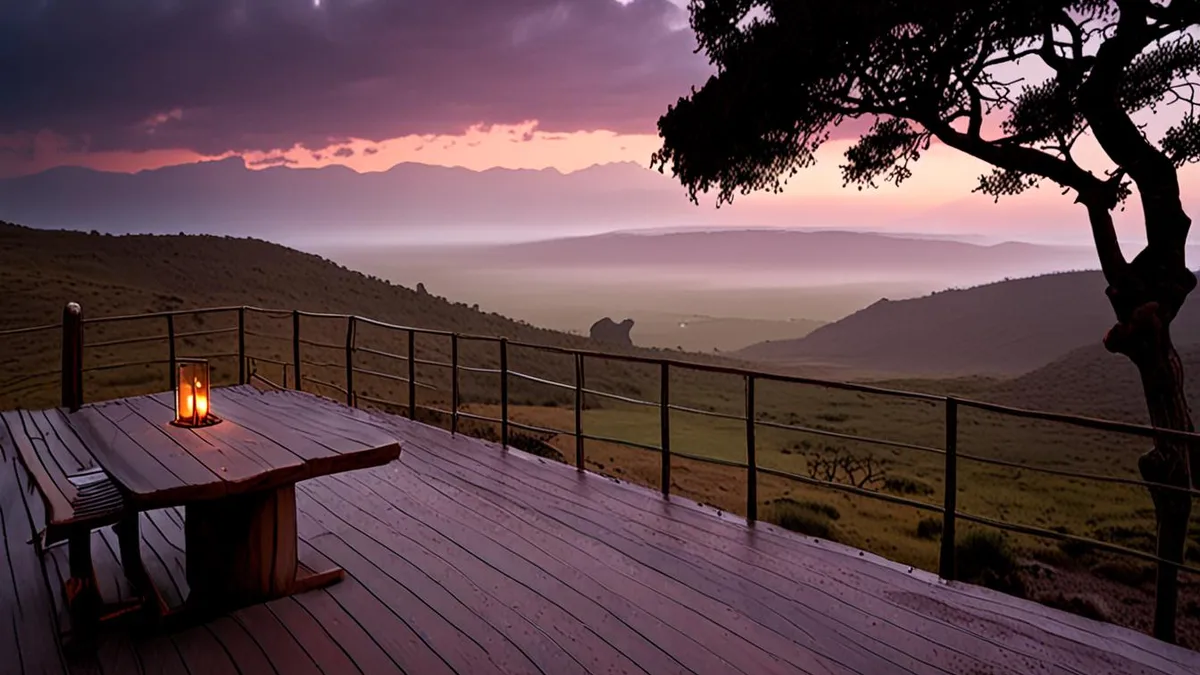
The lodges around Ngorongoro, Tarangire, and Lake Manyara form the classic northern Tanzania circuit, and each has its own rhythm. Crater rim lodges offer the views everyone comes for: you wake up above the crater floor and can be among the wildlife within half an hour of leaving your room. But the rim sits at roughly 2,200 meters elevation, so nights get genuinely cold. Pack warm layers, fleece jackets, and even a hat for early morning game drives, even if your days feel warm.
Booking around the rim
Rim lodges book out furthest in advance for the June to October dry season, sometimes a year ahead for the most sought-after properties. If the rim is full or beyond budget, valley lodges and places in the Karatu farming area are cheaper alternatives. You’ll drive a bit longer to reach the crater each morning, but the savings can be substantial and Karatu has a pleasant, cooler climate of its own.
Tarangire lodges shine from June to October, when the park’s famous elephant herds gather along the Tarangire River. Note that many lodges here close during the April and May rains, so green-season travelers often need to rework this leg of the itinerary.
Lake Manyara lodges work well as a first-night stop after arriving in Tanzania. The park sits roughly two hours’ drive from Arusha, making it an easy, low-pressure way to start a safari without a long transfer on day one.
What Tanzania Safari Lodges Include
Most Tanzania safari lodges and camps bundle meals and game drives into one rate, so the price you see usually covers breakfast, lunch, dinner and two shared drives a day. Drinks are the common exception: soft drinks and bottled water are often included, while beers, wines and spirits sometimes appear on a separate tab. Ask your operator exactly what the rate covers before you pay.
The rhythm of a typical day is simple: an early morning game drive, a long midday break when animals rest, and often a second drive in the late afternoon. Vehicles are open-sided 4x4s with raised seats, which makes photography far easier than shooting through a closed window. If you want a fuller picture of daily life at a property, this guide to lodge amenities, meals and activities breaks it down in detail.
Beyond drives, most properties offer optional extras you pay for separately. Hot air balloon flights over the Serengeti typically run $450-600 per person and usually include a bush breakfast after landing. Book these well ahead, as baskets fill quickly in peak months.
- Tented camps vary enormously: at the basic end you get a canvas room with an en-suite bathroom and a real bed, while luxury versions add plunge pools, private decks and outdoor showers.
- Power is often limited to a few hours in the morning and evening, so bring a charged power bank for cameras and phones.
- Wi-Fi in remote mobile camps may only exist in the main tent, if at all; treat connectivity as a bonus, not a given.
- Laundry service is common at permanent lodges but often unavailable at mobile camps that move with the migration.
Costs and When to Book
Tanzania safari lodges span a wide price range. Mid-range properties typically run $250 to $600 per person per night, usually including meals and game drives. Luxury lodges and high-end tented camps start around $700 and can climb past $1,500 per person per night, especially inside the Serengeti during peak months.
Timing your booking
If you want a July to September Serengeti stay, book 9 to 12 months ahead. The best-located camps near the migration route sell out first, and by the time most travelers start planning, the top options for those months are often gone. Ngorongoro rim lodges follow a similar pattern for the dry season.
Green season travel is where the savings live. Rates in November to December and March to May can drop 30-40% below peak prices, and some lodges add free-night deals on top. The trade-offs are real, though: some properties close during the long rains and dirt roads can become difficult to pass. Our article on how to book a lodge stay, from costs to booking tips walks through the process step by step.
Location affects price
Lodges positioned inside the Serengeti cost noticeably more than equivalent stays outside the park gates in Karatu or Mto wa Mbu. Staying outside saves money but adds driving time each morning, since you need to reach the gate before game viewing starts. Many travelers mix the two: a budget-friendly base near the crater plus a splurge night inside the Serengeti.
Choosing Lodges for Families and Groups
Families and groups have plenty of good options in Tanzania, but a little filtering goes a long way. Start by looking for family tents or two-bedroom units, which are common at Ngorongoro rim lodges and in central Serengeti. These give parents a connecting room and kids their own beds without needing to book two separate tents.
Location matters even more with children. Lodges on private concessions or next to conservancies can offer activities that park-internal lodges cannot, because they are not bound by the same rules. Off-road driving gets you closer to a cheetah sighting, and night drives reveal the animals kids find most exciting: genets, bush babies and hunting lions.
Groups of six or more have real negotiating power. Many small camps will take an exclusive-use booking, giving your group the whole property and a private vehicle and guide. This works out especially well in green season, when camps are quieter and rates are lower.
- Check minimum age policies before you fall in love with a camp; some mobile migration camps restrict children under 8 because of the remote locations and long drives.
- Ask whether the lodge offers child-specific programs such as junior guide activities, shorter game drives or flexible meal times.
- Confirm vehicle setup: a six-seat 4×4 with window seats for everyone beats sharing one car between two families.
- For multi-generational trips, prioritize lodges with pools and shorter transfer distances, since midday downtime keeps younger and older travelers happy.
Planning Your Tanzania Lodge Stay
The main lesson from this guide is simple: pick your travel month first, then match the park area to it. If you want river crossings, aim for the northern Serengeti in July to September and remember that lodges there often require booking 9 to 12 months ahead. If calving season on the southern plains is your goal, January to February is the window to plan around.
Budget shapes the decision too. Mid-range lodges typically run $250 to $600 per person per night, with luxury properties costing considerably more, especially on the crater rim or near river-crossing points. Traveling in the green season can cut rates by 30 to 40 percent, though you may trade some road access and lodge availability for the savings. Get the park and month right, and the rest of your safari tends to fall into place. If this helped you plan, leave a comment or share the article.