Choosing between canvas tents vs geodesic domes is one of the most common dilemmas in glamping right now. Both promise a night under the stars with a real bed, but they deliver very different experiences and price tags. Canvas tents lean classic and breathable, while domes feel more like a futuristic hotel room dropped into a field. Which one gives you more comfort per dollar is exactly what most travelers want to know before clicking “book.”
This guide compares the two side by side. We start with a quick overview of structure, feel and nightly rates, then look inside each one at space, beds and bathrooms. We cover how each handles heat, cold, wind and rain, break down what your money actually buys, and share realistic booking timelines. Finally, we match each structure to the trips it suits best and sum up the bottom line, so you can book the right stay with confidence.
Canvas Tents vs Geodesic Domes at a Glance
At first glance, the biggest difference between these two structures is the material and the mood. A canvas tent is exactly what it sounds like: heavy cotton or canvas walls stretched over a frame or poles, with mesh windows, a zippered door and often a wooden deck. The feel is classic camping, softened. Air moves through the fabric, you hear the breeze and the birds, and mornings smell faintly of the outdoors.
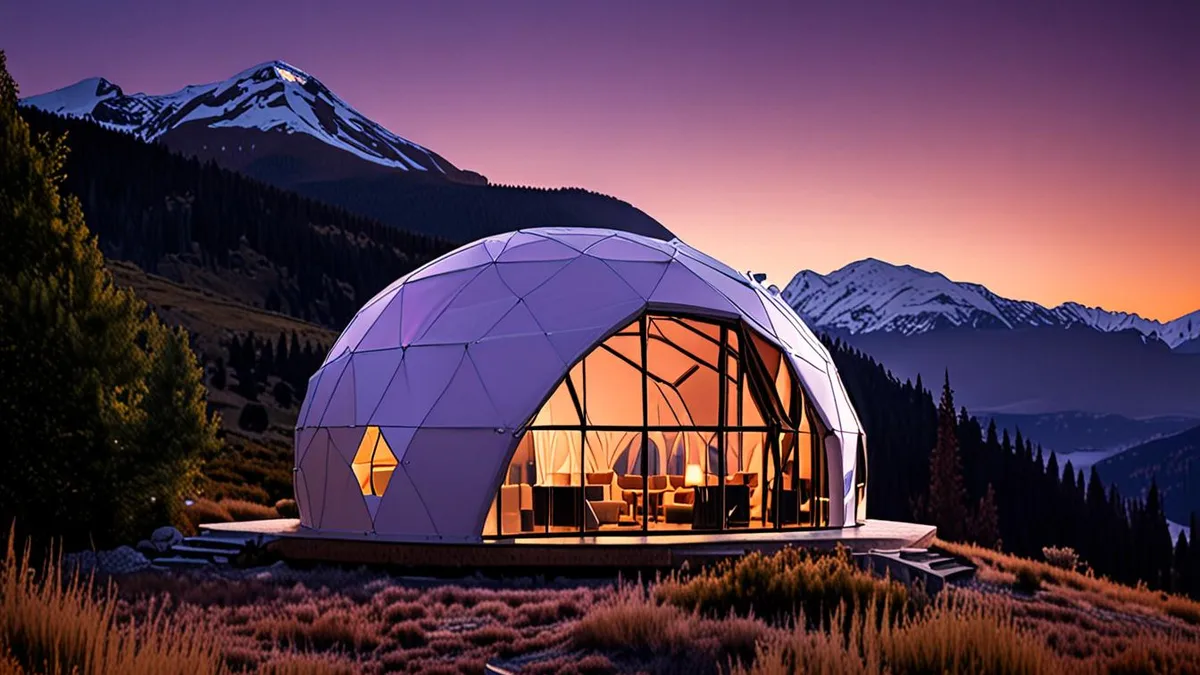
A geodesic dome, by contrast, is a hard-shelled, dome-shaped structure built from triangular panels. Many look like something from a sci-fi movie, with large panoramic windows and curved walls. Inside, they behave more like a small cabin or hotel room than a tent.
How the prices compare
Nightly rates reflect that difference in construction. Canvas tents typically rent for $120–$300 per night in the US, while domes typically rent for $180–$450 per night. The dome premium buys insulation, solid flooring and usually a private bathroom, which we break down in later sections.
The rule of thumb is simple: choose canvas for warm-season trips on a budget, and choose a dome when you want year-round comfort and are happy to pay for it. If your trip falls in late spring through early fall and you love a traditional camp feel, canvas is hard to beat. If you want a cozy, weatherproof shell any month of the year, the dome is the safer bet.
Comfort Inside the Tent: Space, Beds and Bathrooms
Step inside each structure and the comfort gap becomes obvious fast. Canvas tents are the roomier option for groups: they commonly sleep 2–6 guests on queen beds or bunk arrangements. That makes them a natural pick for families or friends traveling together who don’t mind trading a little polish for space. The beds are usually proper mattresses on frames, well above the level of a sleeping bag on the ground.
The trade-off comes with facilities. Canvas tents typically don’t include a private bathroom; guests usually walk to shared bathhouses, sometimes a short stroll down a gravel path. Bring a headlamp for nighttime trips and slippers for the walk.
What a dome gives you
Domes, typically 16–24 feet in diameter, usually sleep 2–4 guests. The smaller footprint is offset by a higher level of finish: most include solid flooring, an en-suite bathroom and heating, so the experience feels closer to a boutique hotel room with a curved ceiling. You can pad from bed to shower without ever stepping outside.
Sound and privacy differ too. Canvas walls let in nature sounds, which many guests love, but they also let in noise from neighboring tents and early-morning campers. A dome’s rigid panels insulate against both, keeping the interior quieter and more private. If you’re a light sleeper or traveling as a couple who values seclusion, that insulation matters more than extra sleeping capacity.
Climate and Insulation: Which Structure Handles Weather Better
Weather is where these two structures really part ways. Canvas is a breathable fabric, which is a genuine advantage in summer: air passes through the weave, so the interior doesn’t turn into a sauna the way a sealed structure can. The flip side is that canvas cools quickly at night, and it has real limits in cold or wet shoulder months. As a realistic planning window, expect canvas season to run roughly May–October in most US destinations. For a detailed look at how each month behaves, check out best seasons for glamping in the US: a month-by-month guide.
How domes handle the elements
Domes take a different approach. Their rigid panels and insulation make them usable year-round in most climates, including winter stays with the heating running. The curved geometry also sheds weather well: snow and rain slide off, and wind flows around the rounded shape rather than catching flat walls. That’s why dome operators can confidently list stays in months when most canvas sites have closed for the season.
Canvas can handle rain, but it depends on setup. Before booking, check that the tent has a proper rainfly in good condition, and ask the host how the site fares in storms. A well-maintained canvas tent with a fitted rainfly stays dry in a downpour; a tired one can leak at the seams. When in doubt, message the host directly about recent weather performance before you commit to a shoulder-month canvas stay.
Cost Breakdown: Nightly Rates and What You Get for the Money
When you compare a canvas tent with a geodesic dome, you’re really comparing two different ways of spending the same trip budget. A canvas tent is mostly buying you atmosphere: that classic, breathable fabric-walls feel, generous floor space, and in many cases a wood stove or lantern-lit ambiance in the evening. What you’re often not getting is a private bathroom, so read the listing carefully before you book and check how far the nearest facilities are.
A dome works more like a bundle. The nightly rate typically rolls in solid flooring, an en-suite bathroom, heating, and often a panoramic window that turns stargazing into an in-bed activity. You pay more, but you’re paying for several hotel-style features that canvas sites frequently charge extra for or simply don’t offer at all.
There are also hidden value factors that don’t show up in the nightly rate. If you’re weighing glamping against traditional camping, our guide to glamping vs camping costs and comfort breaks down what each style actually includes.
- Packing weight: Domes usually come with linens, duvets, and a heater already in place, so you can arrive with a duffel bag instead of a trunk full of sleeping bags and propane.
- Self-sufficiency rewards: Canvas stays often suit travelers who already own quality sleeping pads, camp stoves, and layers, since you’re paying for the structure rather than the furnishings.
- Weather risk: A dome booking rarely gets spoiled by a cold snap, while a canvas trip may need extra gear or even a reschedule if temperatures drop unexpectedly.
- Food logistics: Some dome sites include kitchenettes or breakfast service, which can offset the higher nightly rate if you’d otherwise eat out three meals a day.
When to Book Each Stay Type
Booking windows differ a lot between these two structures, and it mostly comes down to supply. Domes are available year-round, so demand from winter travelers, holiday weekends, and leaf-peeping season all stacks onto the same limited inventory. That’s why peak-season domes typically need 3–6 months of lead time, especially for popular regions like the Pacific Northwest, Colorado, or the Northeast in fall.
Canvas tents, by contrast, usually open for booking 1–3 months ahead and sit empty outside the warm season, so operators are more flexible. In shoulder months, last-minute availability is common, and some sites will discount a tent that’s still unbooked a week or two out.
Weekend pricing gaps
The Friday-to-Sunday premium is noticeably wider for domes than for canvas sites. Because domes attract couples celebrating anniversaries and weekend escapees, operators can charge a real difference between Saturday and Tuesday rates. Canvas sites, with their longer seasonal window and family-heavy clientele, tend to keep the gap smaller.
If your dates are flexible, shifting a dome stay to midweek can meaningfully cut the cost, while the same move on a canvas booking might save you a modest amount or nothing at all. Either way, check the calendar view on booking platforms before committing to fixed weekend dates.
How to Choose: Matching the Structure to Your Trip
The right structure depends less on the brochure photos and more on who’s traveling and when. First-time glampers who want something close to a hotel experience should lean toward a dome with an en-suite bathroom, solid flooring, and heating. There’s no trek to a bathhouse in the dark and no surprise chill at 2 a.m., which makes the higher rate easier to justify for a first outing.
Groups of 4–6 on a summer trip, meanwhile, usually get more space per dollar from a large canvas tent. Splitting a single tent rate four or more ways often beats booking two smaller domes, and the shared bathhouse matters less when the group is already in camping mode. For more help weighing sites, seasons, and setups, see our guide to choosing the right glamping site for your first trip.
One check worth doing before you commit to canvas: look at the site’s elevation and expected night temperatures. A tent that feels perfect at low elevation in June can dip near freezing at altitude in May or October.
- Couples on a special-occasion trip: A dome’s panoramic window and private bathroom turn a night away into something closer to a boutique hotel stay, which suits anniversaries and proposals.
- Families with young kids: A large canvas tent keeps everyone in one room, simplifying bedtime, while a dome split across two units can separate parents and teens comfortably.
- Shoulder-season travelers: If your trip falls in May or October, verify whether the canvas site provides a wood stove or heaters, since fabric walls alone won’t hold overnight warmth.
- Rain-prone destinations: Check whether the canvas tent has a well-maintained rainfly and covered porch, because those details matter more in the Pacific Northwest than the nightly rate does.
The Bottom Line on Canvas Tents vs Geodesic Domes
So which structure delivers more comfort per dollar? Canvas tents win on price, with nightly rates of $120–$300, and they bring a classic summer atmosphere from May to October. If your trip falls in warm months and you don’t mind shared bathhouses, canvas gives you the most space and character for your money.
Domes win on comfort, insulation and year-round use at $180–$450 per night. You pay more, but you get heating, a private bathroom, proper flooring underfoot and a quiet, weatherproof shell that feels closer to a hotel room than a tent. Your choice really comes down to three things: the season you’re traveling, your group size and how much hotel-style comfort you want. If this helped you decide, leave a comment or share the article with a fellow traveler.