One of the biggest worries travelers have before booking a remote lodge is simple: will my devices die? Phones, cameras, laptops and even medical equipment like CPAP machines all need power, and off-grid lodges rarely offer the around-the-clock electricity you find in cities. Understanding lodge power and charging before you arrive makes the difference between a relaxed stay and a stressful scramble for the one working outlet.
This guide walks you through what to expect when a lodge runs on solar panels and generators instead of a grid connection. We cover how power windows typically work, what outlets and voltages you’ll find in your room, and which items to pack so you’re never left in the dark. We also look at managing cameras, drones and other high-drain devices, the questions worth asking before you book, and how power setups differ between destinations and lodge styles. With a little planning, limited electricity becomes a minor detail rather than a trip-ruining surprise.
How Lodge Power and Charging Works Off the Grid
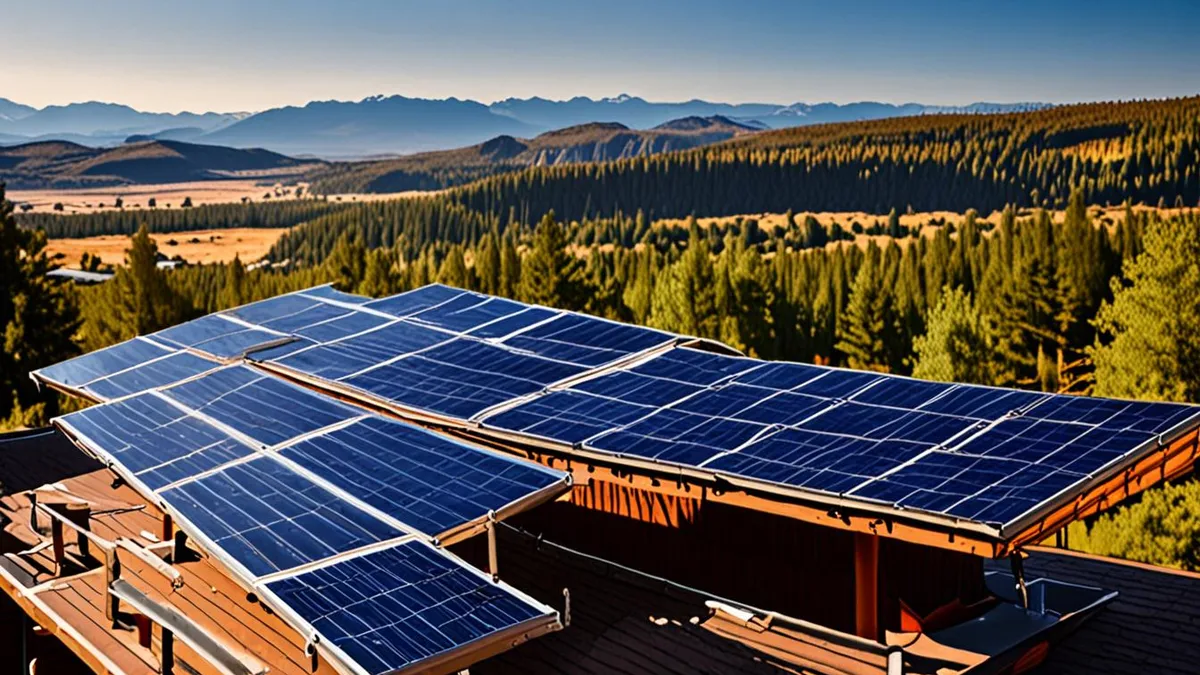
Most remote lodges are not connected to any public power grid, and that shapes everything about your stay. Instead, the typical setup pairs solar panels with a bank of batteries that store electricity during the day. This is the most common arrangement you’ll encounter at wilderness and safari-style lodges around the world, because sunlight is free and fuel deliveries are not.
The practical result is that electricity usually comes in windows rather than around the clock. Many lodges switch power on for roughly 4-8 hours per day, most often in the evening when guests return from activities and want to charge devices, shower and enjoy dinner by light. Outside those hours, outlets in your room may be completely dead, so timing matters more than most travelers expect.
Where generators fit in
As a backup, many lodges run a generator for around 2-4 hours daily, often timed to boost the battery bank or cover high-demand periods like meal preparation. Generators are also what keep essential systems running when several days of clouds have drained the solar supply. Keep in mind that some lodges restrict generator noise at night, which means the quietest hours are often the hours with the least power available. Ask about the daily schedule when you book, and plan your charging around it.
Outlets, Voltage and Charging Devices in Your Room
Voltage is the first thing to check before you plug in anywhere. Lodges in North America typically supply standard 110-120V outlets, the same as hotels in the United States and Canada. In South America, most lodges run on 220-240V, though plug shapes can vary from country to country and even between older and newer buildings. Check your device chargers before you leave home: most phone and camera chargers are dual voltage and handle both ranges, but a single-voltage device needs a converter rather than just a plug adapter.
Making the most of few outlets
Remote lodge rooms are often built simply, and that frequently means one or two outlets at most. A multi-port USB charger solves this neatly, letting you charge a phone, a camera battery pack and a power bank from a single wall socket at the same time. This matters even more when the power is only on for part of the day, since you want every device topped up before the window closes.
Where in-room outlets are scarce, many lodges set up a shared charging station in the common area, such as the dining room or lounge. These stations usually offer a mix of standard outlets and USB ports, and they work best if you follow basic etiquette: label your cables, collect your devices promptly, and don’t leave a charger plugged in overnight if power is cut at a set hour.
What to Pack for Limited Lodge Power
Smart packing turns a limited power situation into a non-issue. The goal is simple: arrive with enough stored power and the right accessories that you can go a full day, or two, without touching a wall outlet at all. Everything below fits in a small pouch and weighs next to nothing in your bag.
Start with a power bank in the 10,000-20,000 mAh range. That capacity covers roughly 2-4 full phone charges, which is enough to bridge the gap between evening power windows if you use your phone for photos, maps and messages during the day. Charge the bank itself whenever the lodge power is on, so it’s always full when you need it.
Then think about plugs and lighting. A universal adapter handles the different outlet shapes you’ll meet across North and South America, and a small surge protector protects your electronics where generator power can fluctuate. For light, pack a headlamp or a small rechargeable lantern, because lodge lighting is often minimal outside the main evening hours.
- Short, braided charging cables: they tangle less in a packed bag, resist breakage, and are easier to keep track of at a shared charging station.
- A spare cable for your most important device: cables are the item most likely to fail or be left behind, and remote lodges rarely stock replacements.
- A small cable organizer or labeled pouch: it keeps your adapters, protectors and cords together so nothing gets mixed up with other guests’ gear.
Managing Cameras, Drones and High-Drain Devices
Anyone who travels with a camera knows the frustration of a dead battery at the worst possible moment, and off-grid lodges make that risk very real. Charging windows of a few hours in the evening rarely line up with sunrise shoots or full-day excursions, so spare camera batteries are the single most useful item a photographer can pack. Rotate them through the day and slot the drained ones into the lodge’s charging window each night.
Drones and laptops are another story entirely. These high-drain devices pull far more power than a phone, and on a solar-and-battery system they can strain what the lodge has available. Some remote properties politely ask guests not to charge them at all, or to limit it to specific hours. Email the lodge before you arrive and ask directly; it saves awkward conversations and lets you plan around their answer.
Time your charging to the strongest supply
When the generator runs, usually a couple of hours in the late afternoon or evening, that is when the power supply is at its most robust. Use those hours for laptops, drone batteries and other heavy loads rather than trickle-charging a phone. If you are unsure when generator hours fall, ask at check-in; staff at remote lodges are used to this question and will usually point you to the best time and the right outlet.
Questions to Ask Before Booking a Remote Lodge
The fastest way to avoid power surprises at a remote lodge is to ask a few direct questions before you book. Descriptions on booking sites tend to mention “electricity” without explaining that it may only flow for part of the day, so a short email to the lodge can tell you far more than a listing page. It also gives you a sense of how organized the property is about guest needs.
Start with the basics: how many hours of power are provided daily, and whether the outlets in your room work around the clock or only during set windows. Then get specific about anything that matters to you personally. If you use a CPAP machine or other medical device overnight, confirm in writing that the lodge can support it through the night, since this often requires a dedicated battery or a room near the generator. It is also worth reviewing what the lodge includes overall, which you can read about in this guide to lodge amenities, meals and daily activities.
- Wi-Fi access: Ask whether internet is free, paid per device or per day, and whether it reaches the rooms or only the main lodge building.
- Charging fees: Some rustic properties charge a small fee to use their charging station, especially for laptops or camera gear, so confirm what counts as included.
- Outlet locations: Request a room with more outlets if you travel with several devices, and ask whether USB ports are built into the walls.
Choosing Lodges by Power Setup and Destination
Power setups vary widely depending on where a lodge sits and what kind of experience it promises. Understanding the typical patterns by destination makes it much easier to match a lodge to your charging needs before you ever pack a bag.
Canada and South America compared
Wilderness lodges in Canada, such as those near Jasper, often run on generators with limited evening power. These properties sit far from any grid connection, so electricity typically flows for a few hours at night while the generator runs, then switches to battery or shuts down entirely. That suits travelers who spend long days hiking or paddling and only need to top up devices at night. For a closer look at where to stay in the Canadian Rockies, see this guide to Jasper wilderness lodges for outdoor travelers.
Lodges in Brazil and Argentina, by contrast, increasingly use solar arrays paired with battery storage. Sunlight is abundant in many of these regions, which allows longer charging windows and, at some properties, power through much of the day. If you are heading to the Amazon, the Pantanal or Patagonia, ask whether the lodge runs on solar, since that usually means more flexibility for charging gear.
Comfort level matters too. Luxury lodges usually offer 24-hour power because they invest in larger solar systems, battery banks and backup generators. Rustic lodges may only provide evening electricity, which is part of their charm but demands more planning from you. If constant power is a priority, weigh it alongside price and setting when comparing options, and confirm the details with the lodge directly rather than assuming from the price tag.
Wrapping Up Your Off-Grid Power Plan
Staying connected at a remote lodge is less about luck and more about preparation. Most off-grid lodges typically offer 4-8 hours of daily power through solar or generator systems, usually concentrated in the evening. That window is enough to top up phones, cameras and other essentials if you know it’s coming and plan around it.
The rest comes down to what you pack and what you ask. Packing a power bank, adapters and spare batteries keeps all devices running between charging windows, and asking power questions before booking ensures the lodge matches your device needs, including overnight support for medical equipment. Treat the limited electricity as part of the adventure rather than a problem, and it rarely causes any real disruption. If this helped you plan your off-grid stay, leave a comment or share this article with a fellow traveler.