You’ve found a lodge you love, checked the rates, and noticed something tempting: the same rooms cost far less during the wet months. That’s the pull of rainy season lodge stays, and it’s also where the doubt creeps in. Will you spend your entire trip watching rain from a window? Will trails, boat trips and wildlife viewing actually happen, or will you pay for activities that never run?
This guide walks through both sides honestly. We’ll cover when rainy season falls in popular lodge destinations, the real savings and scenery benefits, and the trade-offs like humidity, mud and reduced schedules. You’ll also get a realistic picture of what a wet day at a lodge feels like, how to book smart, what to pack, and a final verdict on whether the value justifies the weather. By the end, you should know whether a green season trip fits your travel style or whether you should wait for the dry months.
When Is Rainy Season at Lodge Destinations?
Rainy season looks very different depending on where your lodge sits, and getting the timing right is half the battle. In much of Brazil and Argentina, including the lodge regions around the Pantanal and Iguazú, the wet months typically run from November to March. That overlaps with summer in the southern hemisphere, which means warm temperatures on top of the rain.
North America flips the pattern. Many lodge areas, including parts of the Rockies and Ontario’s Muskoka lake country, see their wettest weather in late spring and early summer. If you’re booking a cabin or fishing lodge in those regions, the soggiest stretch often lands between May and October in parts of North America, so check the specific area rather than assuming a single rainy season rule.
Why timing matters for your budget
The useful overlap is with pricing. In most southern hemisphere lodge destinations, the rainy season lines up with what the industry calls green season, and that’s when lodges release their best deals. Safari camps in Botswana and Brazil, jungle lodges in Peru, and estancia stays in Argentina all tend to discount during these months because demand drops. If your dates are flexible, matching your trip to the wet months is usually the easiest way to cut costs. The key is to confirm the wet months for your exact destination, since a two-hour flight can shift the pattern noticeably.
The Pros of Rainy Season Lodge Stays
The biggest reason travelers choose rainy season lodge stays is simple: money. Rates typically drop 20-40% below dry season prices, which can turn a once-a-year splurge into something you can afford twice. At the same time, lodges are quieter, so staff have more attention per guest. Guides have more time to answer questions, kitchen staff can accommodate requests more easily, and managers often remember your name by day two.
The scenery argument is just as strong. Landscapes are at their greenest, waterfalls run at their fullest, and the light after a storm is dramatic for photography. If you’ve only seen Iguazú Falls or a jungle canopy in dry season photos, the wet months show a different, more vibrant version of the same place. For a broader comparison of how each season changes a lodge stay, this season-by-season guide to visiting lodges breaks it down destination by destination.
Fewer crowds also change how the lodge itself works day to day:
- Communal spaces open up. The good armchair by the fireplace, the hammock deck, the pool lounger with the view — in peak season these get claimed early, but in wet months you rarely have to compete for them.
- Meal times become flexible. With a smaller dining room, lodges can often shift dinner an hour later or arrange a private table without the rigid seatings larger peak-season groups require.
- Activities can be swapped on short notice. If a guide suggests moving your canoe trip to tomorrow morning because the river is high today, a small guest list makes that easy to arrange on the spot.
The Cons and Trade-Offs to Weigh
Now the honest part. In tropical lodge regions, humidity commonly sits between 70-90% during the wet months, and that changes daily life more than the rain itself. Clothes take a day or more to dry, camera lenses fog when you move between air-conditioned rooms and the outdoors, and trails turn to mud after every storm. You’ll find yourself drying boots, socks and bags constantly, so pack for it rather than hoping your room has enough airflow.
Activities are the other trade-off. Some hiking trails and boat excursions close or run reduced schedules during the wettest months. A canyon hike that’s a highlight in dry season may be off-limits when the river is high, and some boat transfers run less frequently, which can squeeze your itinerary. Ask the lodge for a realistic list of what operates in your travel month before you commit.
Insects deserve their own planning. Mosquitoes and other bugs are noticeably more active in wet weather, so a few details matter more than they would in dry season:
- Screened rooms and mosquito nets. Check that your room has intact screens or a net over the bed, especially at jungle and wetland lodges where evenings are the peak biting hours.
- Repellent with a proven active ingredient. Bring enough for the whole trip, since lodges in remote areas may stock limited supplies and local shops can be hours away.
- Clothing choices. Long, loose sleeves and pants in light colors make dawn and dusk walks far more comfortable than shorts, even in humid heat.
What a Rainy Day at a Lodge Actually Looks Like
The biggest surprise for most first-time rainy season travelers is how little of the day is actually wet. In many lodge regions, rain typically arrives as short afternoon bursts of 1-3 hours rather than all-day downpours. That leaves mornings and evenings wide open for guided walks, wildlife watching and boat rides, often with cooler, fresher air than you’d get at midday in the dry season.
How the wet hours actually play out
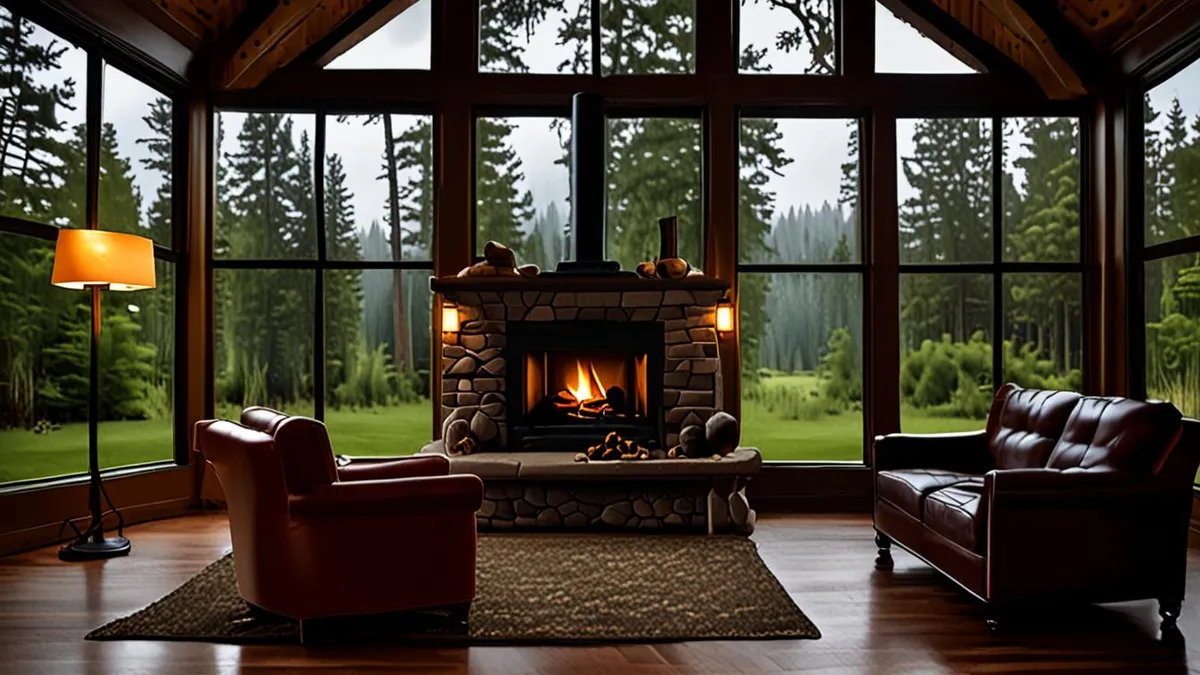
When the rain does settle in, the rhythm of the day shifts indoors. Midday becomes lodge time: a slow lunch that stretches into the afternoon, a book in the reading lounge, a turn by the fireplace in cooler regions, or a spa treatment you’d normally skip during peak season. Staff often have more time for guests, so it’s a good moment to ask about the area, swap stories over coffee, or rearrange the next day’s activities around the forecast.
Not all lodges handle wet weather equally well, though. Some are built around wide, covered verandas where you can watch a storm roll across the valley in comfort, while others have little indoor space beyond your room and the dining area. Before booking, ask specifically about covered outdoor areas, lounges and other communal spaces. Our overview of typical lodge amenities, meals and daily activities gives you a useful baseline for comparing what different properties offer.
If a lodge gets the indoor side right, a rainy afternoon can become one of the most memorable parts of the trip rather than something to endure.
How to Book a Rainy Season Lodge Stay
Booking a rainy season lodge stay is noticeably easier than chasing peak season availability, but a few extra questions make a real difference. Because demand drops when the wet months arrive, you can often plan later than you would for a dry season trip, and rates tend to sit well below peak pricing. The trade-off is that not everything a lodge advertises will be running during your specific travel window, so the main things to confirm are timing, activity schedules and what happens when the weather wins.
- Lock in your dates 2-3 months ahead. Wet season occupancy is usually low enough that this window works well, especially compared to the 6-12 months of lead time peak season often demands. You’ll still have a good pick of rooms and guides.
- Ask which activities run during your exact travel month. Access to certain trails and water-based excursions can shrink or pause entirely when rainfall peaks, so a lodge’s dry season activity list may not match what’s actually operating when you arrive.
- Get the cancellation policy in writing. Weather-related cancellations happen, so confirm in advance whether they come with refunds, credit or rebooking options, and whether the lodge or the operator makes that call.
- Weigh indoor amenities heavily. Reading lounges, spas, covered verandas and good dining spaces shape how enjoyable the wet hours feel, so treat them as core features rather than extras.
- Prefer flexible terms over the cheapest rate. A slightly higher rate with free changes often beats a rigid deal when your dates fall in the wettest stretch of the year.
If you want a broader walkthrough of rates, seasons and timing, this guide to how lodge bookings work, from costs to seasons pairs well with the steps above. It’s also smart to email the lodge directly before paying, since staff can tell you exactly which guides, boats and routes are active that month. Put together, a short booking window, a flexible rate and a few pointed questions get you most of the way to a well-priced, low-stress stay.
Packing and Planning Tips for Wet Weather
Packing for a rainy season lodge stay is less about owning more gear and more about owning the right gear. Tropical lodge regions get seriously humid during the wet months, so cotton takes forever to dry and damp clothing becomes a daily nuisance. The goal is a kit where everything dries overnight and nothing is ruined by a sudden downpour. Choose fabrics that bounce back from moisture, and think through how each item will handle being wet more than once a day.
Timing matters as much as the packing list. Since rain usually falls in short afternoon bursts, plan hikes and excursions for mornings and keep afternoons deliberately unstructured. Guides tend to appreciate flexible guests, and you’ll often get better wildlife sightings in the cooler morning hours anyway. If a storm rolls in early, use the time for a long lodge lunch or a book by the fire instead of forcing a soaked hike.
- Quick-dry clothing: synthetic or merino fabrics rather than cotton, plus enough spare socks that you’re never putting on a damp pair.
- A rain shell: a lightweight, breathable jacket beats an umbrella on forest trails, where you often need both hands free.
- Waterproof footwear: trail shoes or boots with good grip, since muddy paths are the norm, plus a pair of dry shoes to change into at the lodge.
- Dry bags or waterproof pouches: for cameras, phones and documents, especially if you’ll be on the water.
- Buffer days: on multi-day itineraries, build in an extra day so one stormy stretch doesn’t force you to cut a highlight short.
A little planning goes a long way. Travelers who pack smart and keep their schedules loose usually find that wet weather becomes a backdrop to the trip instead of the story of it. Your gear list should also include a small towel for drying boots and bags, and zip-top bags for organizing wet versus dry items inside your luggage.
Are Rainy Season Lodge Stays Worth It?
So, are rainy season lodge stays worth it? If you are flexible and happy to swap a bit of outdoor certainty for real savings, the answer is usually yes. Rates often run 20-40% lower than peak season, lodges are quieter, and the scenery is at its greenest. The trade-off is that some trails and boat trips may close, and you will deal with humidity and mud.
These stays suit travelers who enjoy lodge life itself rather than a packed schedule. With rain typically falling in short afternoon bursts, booking 2-3 months ahead, and the right packing, the value is hard to beat. If that sounds like your kind of trip, share your own rainy season experiences in the comments.