The idea of a wi-fi-free lodge trips sounds wonderful until you actually book one. Then the doubts creep in: what if you get bored by night two, what if something goes wrong at home and nobody can reach you, and what if you arrive without a printed confirmation and can’t check in? Those worries stop a lot of travelers from trying a digital detox stay, even though the whole point is to feel lighter, not stranded.
The good news is that a little planning removes almost all of that anxiety. In this guide, we’ll walk through why a remote lodge makes detoxing easier than a hotel, how to find lodges that are genuinely unplugged, when to book and what to budget, and what to pack so you’re never caught without a paper backup. We’ll also cover ground rules to set with your travel companions, offline activities that fill your days, and a short wrap-up to pull the whole plan together. By the end, you’ll have a clear, realistic plan for a stay that feels like a break instead of a blackout.
Why Choose a Wi-Fi-Free Lodge Trip
The biggest reason to pick a remote lodge over a regular hotel is simple: willpower is a terrible detox tool. In a hotel, reconnecting is always one tap away, so every quiet moment becomes a negotiation with yourself. At a lodge in an area with weak cell signal, the choice is made for you, and that’s exactly what makes the break stick. You stop reaching for your phone because there’s nothing to reach for.
Length of stay matters more than most travelers expect. A weekend often ends just as you start to unwind, while a two-week trip can feel isolating. A stay of 3-5 nights hits the sweet spot: long enough to break the habit of checking your phone, short enough that you never feel cut off from real life.
Timing shapes the experience
Shoulder-season dates in May-June or September-October amplify everything good about an unplugged stay. The lodge is quieter, the trails are less crowded, and there are fewer guests around you scrolling and posting, which quietly lowers your own temptation to document every moment. You’re there to live the days, not to report on them.
How to Find Genuinely Unplugged Lodges
Marketing language can be slippery, so start by searching lodge descriptions for phrases like “no Wi-Fi”, “off-grid” or “digital detox”. Then confirm directly by email before you book, because some properties use those words loosely while still offering lounge Wi-Fi that’s hard to resist. A short, polite email asking about connectivity will tell you a lot about how seriously the lodge takes it — a vague answer is usually a sign that screens are still part of the picture.
Distance is your friend here. Most remote lodges sit 1-4 hours from the nearest town with reliable cell coverage, and that drive usually means patchy signal for the whole stay, which helps the detox stick. Recent reviews are also worth mining: “remote” sometimes still means full bars on the porch, so look for what past guests say about signal strength rather than the photos. Guest photos can help too, since cabins perched close together often share a router even when the listing claims otherwise.
- Ask about the emergency setup. Satellite phones or emergency radios are the standard backup at lodges without cell service, and many offer one designated Wi-Fi or phone spot for emergencies only — knowing it exists lets you relax without using it.
- Check what connectivity means in practice. If the lodge does have any signal, ask where it is and whether guests are asked to keep use to emergencies, so you know the culture before you arrive.
- Ask about guest routines. Some lodges structure evenings around communal dinners or fireside hours, which makes staying offline feel natural rather than like a rule you’re fighting.
When to Book and What It Costs
Unplugged lodges tend to be small, which means rooms sell out faster than at big hotels. Book 3-6 months ahead for summer dates, and give yourself 6-9 months for peak winter weeks at popular properties. If you’re new to lodge booking in general, it helps to read a guide on how to plan and book a lodge stay before you commit, since deposit and cancellation rules can differ from standard hotels.
What to budget
Expect to pay roughly $150-400 per night per room at mid-range lodges, and $500+ at luxury properties, especially those that bundle meals and guided activities. Rates vary a lot by region and what’s included, so treat these as planning ranges rather than quotes and confirm current prices directly with the lodge.
Shoulder seasons in May-June and September-October are the budget traveler’s friend: they bring quieter lodges and lower rates than the July-August peaks. You get the same remoteness and calm with fewer guests around the dinner table, and the savings can stretch a 3-night stay into a longer one.
What to Pack for a Screen-Free Stay
Packing for a lodge without internet is a different exercise than packing for a regular hotel stay. The moment you realize you cannot pull up a confirmation email or look up a trailhead, you will be glad you planned ahead. Think of your bag as a small analog library: everything you need should exist on paper or run without a connection.
Start with entertainment. Screens are the default filler for idle time, so you need replacements that are just as easy to reach for. A paperback you have been saving, a journal, or a deck of cards can fill a rainy afternoon by the fireplace better than any app. Printed trail maps matter too, since your phone’s mapping apps will be unreliable in remote areas.
Documents deserve special attention. Print your itinerary, booking confirmations, driving directions, and any reservation details before you leave home. Keep them in a folder in your car or daypack rather than buried at the bottom of a suitcase.
- Paper books: bring one more than you think you will finish, plus a small book light for reading after dark without disturbing roommates.
- Sketching supplies: a compact set of pencils and a small pad turns lake views and mountain mornings into a creative record of the trip.
- A basic camera: a point-and-shoot with no internet access lets you take photos without the pull of editing and posting them on the spot.
- A small power bank: even on a detox, it keeps headlamps, a GPS beacon, or an emergency phone charged.
- Printed trail maps: get the local hiking map from the region or ask the lodge to mail one ahead, and mark your routes before you set out.
Setting Ground Rules Before You Go
A digital detox goes smoother when everyone agrees on the rules before the car leaves the driveway. Without them, one person checking a phone at breakfast can quietly unravel the whole plan for the group.
Agree on a daily check-in window
Talk with your travel companions and pick one short window for connectivity, for example ten minutes each evening. During that time, anyone who needs to can send a message or glance at urgent updates. Knowing the window exists keeps nobody panicking about what they might be missing, and it keeps phones out of sight the other twenty-three and a half hours of the day.
It also helps to decide on the spot where check-ins happen, such as the lodge’s front desk or a designated emergency point, rather than in your room. That keeps the bedroom and dining table screen-free zones.
Leave an emergency plan at home
Before you go, give family or a trusted friend the lodge’s front-desk phone number and your exact travel dates. That way, if something comes up at home, they can reach you through the lodge instead of waiting days for a reply. Confirm with the lodge how they handle urgent messages for guests; many keep one designated phone or radio point for exactly this purpose.
Finally, set your phone to airplane mode the moment you arrive. With the temptation removed entirely, you stop negotiating with yourself, and the quiet does the rest.
Offline Activities to Fill Your Days
The biggest fear about a screen-free stay is boredom, but a good lodge makes that worry disappear fast. The trick is giving each day a loose structure so you are never standing around wondering what to do with your hands.
Build each day around one activity
Plan hikes, canoeing or fishing around the lodge so mornings and afternoons have a purpose without screens. A simple rhythm works well: a trail or paddle in the morning, a long lunch, then reading or a nap before dinner. You do not need a rigid schedule, just one anchor activity per day so the hours feel intentional rather than empty.
Ask the lodge staff for route suggestions when you arrive. They know which trails are muddy, where the fish are biting, and how long the loop actually takes, which is more than any review site can tell you.
Let the common spaces do the work
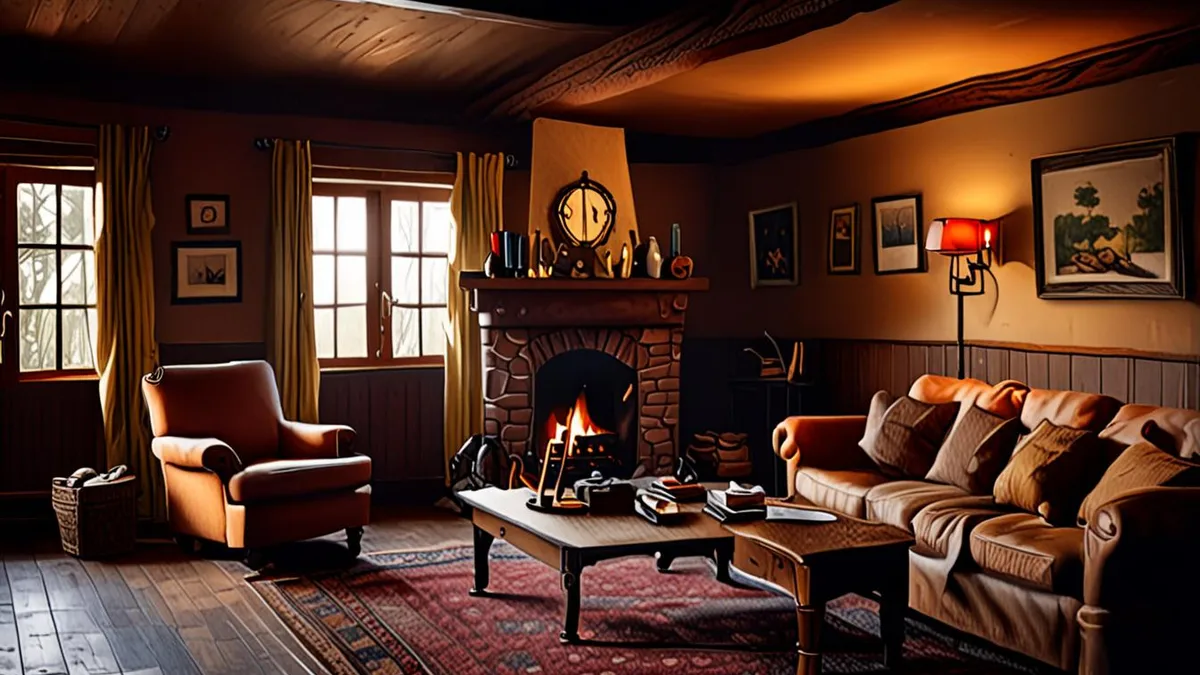
Some of the best detox moments happen indoors. Fireplaces, board games and communal dinners are the core of the lodge experience, and they naturally replace the evening scroll. Sitting at a long table with other guests often turns into the most memorable part of the trip, so say yes even if you usually keep to yourself.
If planning sounds like effort, choose a lodge that includes guided activities or meals in the rate. When the routine is handled for you, the urge to pull out a phone to organize the day mostly vanishes. You can read more about what lodges typically offer in terms of meals, amenities and guided activities before you book.
Wrapping Up Your Wi-Fi-Free Lodge Plan
A wi-fi-free lodge trip does not have to mean boredom or feeling cut off. The formula is simple: plan for 3-5 nights, pick a genuinely remote lodge where a weak signal does the hard work for you, and pack analog entertainment like books, cards and printed maps so your evenings never depend on a screen.
Booking 3-6 months ahead and choosing shoulder-season dates keeps most stays in the $150-400 per night range, often with fewer guests around you. Clear ground rules with your travel companions and one designated emergency contact point mean nobody at home panics and nobody at the lodge sneaks off to check messages. With those pieces in place, the detox feels relaxing instead of stressful. Have you tried a screen-free lodge stay, or are you planning one? Share your experience or questions in the comments below.