You’ve probably found yourself scrolling between two very different options: a furnished safari tent on a scenic property, or an RV rental that promises a home on wheels. Both look comfortable in the photos, both cost real money, and it’s genuinely hard to tell which one delivers more for your budget. That’s the core question behind the safari tents vs RV rentals debate, and the answer depends on more than the nightly rate.
This guide breaks the comparison into the decisions that actually matter: what you get in comfort, what you really pay once add-on costs stack up, how much effort it takes to arrive and settle in, whether you want one base or many stops, and when to book for the best availability. We’ll finish with a simple way to match either option to your group size and trip style. By the end, you should know exactly which one fits the trip you have in mind.
What You Actually Get: Comfort Compared
A safari tent is closer to a hotel room than most people expect. You walk in to find real beds with proper linens, solid furniture, and usually a covered deck where you can sit with coffee in the morning. Many sites add electricity, interior and exterior lighting, and sometimes a small fridge or fan. What you generally won’t get is strong climate control: heating and cooling in a canvas tent are limited, so a hot afternoon or a chilly night will be felt. Bathrooms are typically private or shared bathhouses a short walk away.
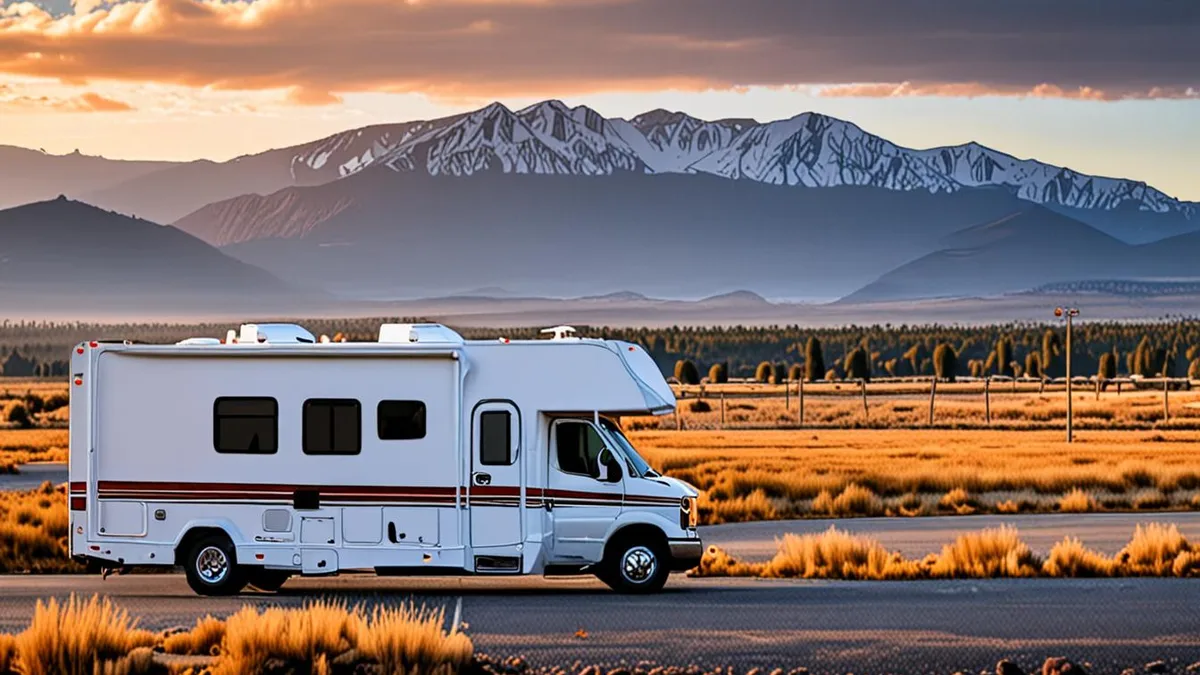
An RV rental flips that equation. You get a full kitchen, a bathroom with a shower, and heating and air conditioning that run wherever you park. The beds travel with you, which means your bedroom is the same every night of the trip. The trade-off is space: sleeping quarters in most rentals are compact, with bunks or converted dinettes that feel tight once luggage is spread around.
How many people fit?
Safari tents usually sleep 2-5 guests, often with one large bed plus singles or bunks. Most RV rentals sleep 2-6, using a mix of the master bed, bunks and convertible seating. Both options are workable for a small family, so the real difference is whether you’d rather have roomy shared space in a tent or tighter quarters with full utilities in an RV.
Cost Breakdown: Safari Tents vs RV Rentals
On paper, RV rentals look cheaper. A typical rental runs $100-$300 per night, while safari tent glamping typically costs $150-$400 per night. But the RV’s nightly rate is only the starting point, and the add-ons change the math quickly. Fuel is the big one: expect roughly $0.50-$1.00 per mile driven, which adds up fast on a road trip. Then there are separate campsite fees for every night you park, plus rental extras like mileage packages, insurance and kitchen kits.
The safari tent price, by contrast, is usually one number that covers the accommodation, linens and on-site amenities. This is where the comparison overlaps with broader glamping economics; if you want a fuller picture of how upscale camping costs stack up against traditional camping, the glamping vs camping cost breakdown covers it in detail.
- Mileage charges: many RV rentals include a set number of miles per day, then charge per extra mile, so a long route can push fuel and mileage costs well beyond the base rate.
- Campsite fees: RV parks charge nightly rates that vary widely by region and season, and hookups with water, power and sewer usually cost more than dry camping.
- Deposit and cleaning fees: RV rentals commonly require a refundable deposit and a cleaning charge if you don’t return the unit spotless, which is easy to underestimate.
- One-price predictability: a safari tent stay is easier to budget because the quoted nightly rate is essentially the whole bill for the accommodation itself.
Over a week-long trip, the two can even out. The tent’s higher nightly rate may end up matching the RV’s lower rate once fuel, campsite fees and extras are stacked on top. Price both for your actual route before assuming either one is the budget pick.
Convenience: Arriving, Settling In and Packing
This is where safari tents quietly win. A tent stay is turnkey: you arrive with a suitcase, the beds are made, the lights work, and there’s nothing to set up or take down. If it rains on arrival day, you’re already inside a furnished space. If you cut the trip short, you pack a bag and leave. There’s no orientation, no equipment to return and no cleanup checklist beyond taking your trash out.
An RV rental asks more of you before you’re relaxing. Rentals begin with an orientation walk-through covering the systems: water, power, propane, slide-outs and the awning. Then you’re driving a vehicle that’s larger and slower than anything you’re used to, watching clearances and fuel stations. At camp, you back in, level the rig and connect hookups. Before departure, there’s a dump station visit and a full cleanup so you don’t face extra fees.
Packing: two very different lists
For a tent, pack like a hotel guest with a few outdoor extras; the complete glamping packing checklist covers everything from layers to flashlights. For an RV trip, the list is longer in a different way: you’re planning groceries, mapping driving days and reserving campgrounds ahead of time. The tent handles the logistics for you; the RV makes you the logistics manager.
Mobility and Trip Style: One Base or Many Stops
The biggest difference between these two options is not the bed or the bathroom — it’s how many places you’ll call home. An RV is built for movement. If your dream trip looks like a loop through several national parks, with a new campground every two or three nights, the RV is the natural fit. Your kitchen, your bed and your gear travel with you, so packing up is a matter of stowing, unplugging and driving.
A safari tent works the opposite way. These stays are designed around one destination: a ranch, a lakeside resort, a canyon-edge camp. You settle in for a stretch of 3-7 nights, unpack for real, and let the site come to you. Morning coffee on the deck, an afternoon hike, dinner at the camp — no hookups, no dump stations, no daily teardown.
Ask yourself how much driving you actually enjoy
Every RV relocation adds real costs and real time: miles of fuel, hours behind the wheel of a large vehicle, and the setup-and-breakdown routine at each new site. If you’re planning four stops in a week, that’s four rounds of hookups and cleanup. Multiply that by impatient kids or a partner who dislikes towing, and a road trip can feel like work. Be honest about your driving tolerance before you book. If the answer is “as little as possible,” a single-base safari tent stay will suit you far better than a rolling itinerary.
When to Book and When to Go
Timing matters for both options, and it matters more than most travelers expect. Peak glamping season in most of the US runs May through October, and the best sites and newest rental RVs fill first. If you want a summer weekend in a popular area, waiting until spring to book is a gamble you’ll often lose.
The general rule: reserve safari tents 2-6 months ahead for summer weekends, and give RV rentals 3-6 months’ lead time for peak season. Rental fleets are finite — operators only have so many rigs — so popular summer dates can disappear early. For a deeper look at how conditions shift through the year, this month-by-month guide to glamping seasons in the US breaks down what to expect when.
Shoulder-season trips in May, September or October are the savvy traveler’s shortcut. You’ll typically find lower rates and much easier availability for both safari tents and RVs, plus cooler evenings around the campfire and thinner crowds at nearby trails and attractions. The trade-off is weather: early-season nights can be chilly in a tent, so pack layers and check what heating your site offers.
- Midweek beats weekend: booking Monday through Thursday nights often unlocks better rates and wider site selection, even in high summer.
- Holiday weekends are the hardest: dates around Independence Day and Labor Day sell out earliest, so treat them as your booking deadline, not your starting point.
- Last-minute can work in shoulder season: in September and October, operators sometimes have open sites days ahead — a good window for spontaneous trips if your dates are flexible.
How to Choose the Right Option for Your Trip
By now the trade-offs are clear, so the choice comes down to the shape of your trip. Start with the simplest question: is this vacation about one place or several? If you’ve found a stunning site — a vineyard, a desert rim, a lakeside meadow — and your plan is to settle in and soak it up, choose a safari tent. You get maximum comfort with zero driving: real beds, linens and a deck waiting for you, no orientation walkthrough, no dump stations, nothing to tow.
When an RV rental makes more sense
Choose an RV rental if your itinerary covers multiple destinations, or if you simply want a kitchen and bathroom on the move. Families with picky eaters, travelers with dietary needs, and anyone visiting areas where lodging is scarce all benefit from carrying their own facilities. An RV also lets you chase good weather and change plans without penalty — a flexibility no fixed tent site can match.
Then match the option to your group. A safari tent comfortably hosts a couple plus a few kids, while most RV rentals have bunks for a slightly larger crew, so count your group honestly, including children who need their own sleeping space. Finally, weigh your driving tolerance. If the thought of navigating a large vehicle makes you tense, don’t build a trip around one. If the trip is about the route, rent the RV; if it’s about the site, book the tent.
The Bottom Line
So which delivers more comfort for the money? A safari tent wins on turnkey ease: real beds, linens and a deck, all wrapped into one nightly rate of $150-$400. An RV rental starts lower at $100-$300 per night, but fuel, campsite fees and chores stack up quickly, and you trade that convenience for the freedom to move.
Both options need planning for the May-October peak season, with a booking window of roughly 2-6 months. In the end, the choice is simple: pick the tent if your trip is about one beautiful base, pick the RV if it is about the route. Still torn? Leave a comment with your trip plans or share this article with a travel buddy who needs to weigh in.