Coastal vs desert glamping is one of those decisions that looks simple on a booking site and gets complicated fast. Both settings promise a memorable night in a tent, dome or cabin, but both can run hundreds of dollars a night, and the experience they deliver could hardly be more different. One gives you salt air and wave sounds; the other gives you red rock and a sky full of stars.
This guide breaks the choice down into the details that actually matter: what each setting looks and feels like, when to go, what you can expect to pay, how the days are spent, and how wind, humidity, dust and temperature swings will test your comfort. We finish with a practical framework for picking the right setting for your group, your season and your budget. By the end, you should know exactly which booking to make.
What Sets Coastal and Desert Glamping Apart
Coastal glamping sites sell an experience that starts the moment you unzip your tent. Ocean views stretch out from your deck, salt air drifts through the mesh windows, and many sites put you close enough to the sand that you can hear waves all night. Beach access is often just steps away, which changes how you structure your whole day.
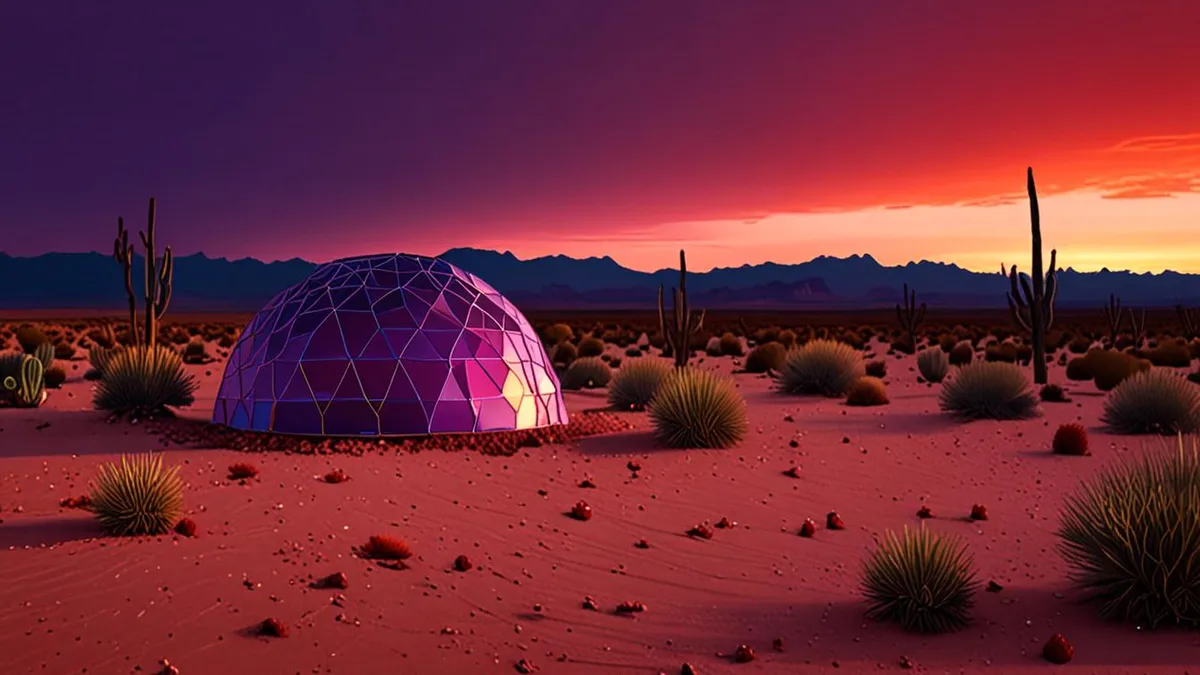
Desert sites trade water for drama. Think red-rock mesas, rolling dunes and wide-open silence broken only by wind. Because there is little light pollution, these are some of the best places to sleep under genuinely dark skies, and stargazing from your dome or deck can be the highlight of the trip.
Climate is the real dividing line
The core difference between the two settings is weather. Coastal air stays mild, humid and breezy, so days rarely get extreme and nights stay moderate. Desert climates flip that script: hot, dry days give way to surprisingly cold nights, and the air itself feels parched. Pack for both ends of that swing.
Plants and animals set the scene
Wildlife and vegetation reinforce the contrast. On the coast you’ll find tide pools full of anemones and crabs, seabirds wheeling overhead and driftwood-strewn beaches. In the desert, cacti, jackrabbits and coyotes dominate, and you may hear coyotes calling after dark. Both settings feel wild, just in completely different ways.
Best Seasons for Each Setting
Timing matters more in glamping than in most trips, because both settings have narrow windows when conditions are genuinely pleasant. The coast and the desert peak at opposite times of year, which is good news: you can glamp comfortably somewhere in almost any month if you pick the right setting. The trick is matching your travel dates to the setting, not the other way around.
On the coast, aim for May through September or October, when ocean air keeps days mild even if mornings start foggy. Water temperatures lag behind the air, so early-season swimmers should pack a wetsuit or plan around calmer days. In the desert, plan your trip between October and April, when daytime highs stay comfortable for hiking and lounging. Summer desert travel is best avoided entirely, and monsoon storms roll through the Southwest from July through September, bringing flash-flood risk and sudden downpours. If a storm is forecast, ask your host about low-lying access roads and whether activities get rescheduled.
For a fuller breakdown of how each month plays out across the country, see this month-by-month guide to glamping seasons in the US.
- Shoulder months save money: May, early June and October often bring lower rates and thinner crowds in both settings, so you can get the same views for less.
- Coastal fog is a real factor: early-season mornings on the coast can be gray and cool, with sun arriving by afternoon, so build flexibility into beach plans.
- Desert spring brings blooms: in some years, winter rainfall triggers wildflower displays in late winter and spring, adding color to an otherwise stark landscape.
- Book peak weekends early: popular sites fill fast, so reserve 3-6 months ahead for peak-season weekends in either setting.
What Each Setting Costs
Glamping prices sit well above campground rates, and both settings follow a similar pattern. On the coast, expect roughly $150-$400 per night for tents, domes and cabins near the water. Desert stays typically run $120-$350 per night, with premium stargazing domes at the top of that range.
Why location within a site matters
Waterfront positioning and desert views both command premiums. A tent directly on the bluff or facing the dunes can cost noticeably more than a comparable unit a short walk inland or off the main ridge. If you’re budget-conscious, ask which units are considered “standard” versus “premium” and what the view difference actually is. In the desert, a slightly farther-out site often means darker skies anyway, which can be a trade worth making.
Don’t forget the extras
The nightly rate rarely covers everything. Budget for add-ons like firewood bundles, activity bookings and cleaning fees, all of which vary by operator. Some sites include kayaks or stargazing equipment; others charge per use. Before you commit, read the rate details carefully so you know whether linens, meals or activities are included. Two sites with similar nightly prices can end up costing very different totals once the extras are added, so compare the full picture rather than the headline number.
Daytime Activities: Beach Days Versus Desert Adventures
The rhythm of a glamping trip changes completely depending on where you wake up. On the coast, your days flow around the water: a morning swim before the breeze picks up, an afternoon of kayaking, and a slow walk along the beach as the sun drops. Many coastal operators put you within a short stroll of the shoreline, so an unplanned dip or a barefoot sunset walk becomes part of the daily routine rather than a special outing.
Desert trips flip that schedule. The heat and sun make midday the quietest part of the day, so hikes and tours tend to start early, with long lunches in the shade and adventures resuming in the late afternoon. The payoff comes after dark: with almost no light pollution, the night sky becomes the main event, and many desert sites offer telescopes or guided stargazing sessions around the campfire.
Whichever setting you pick, be honest about your group’s fitness level before booking add-on activities. Desert terrain in particular demands more from your body than it looks, and operators can usually tell you how strenuous each option is if you ask. It also helps to confirm what gear is provided, since a guided outing that supplies equipment saves you packing space and often comes with better instruction than renting separately.
- Tide pooling: Best at low tide, so check a tide chart the night before and wear shoes with good grip on wet, algae-covered rocks.
- Surfing lessons: Most coastal operators partner with local instructors, and morning sessions typically offer calmer wind and smaller crowds.
- Slot canyon hikes: Flash flood risk matters here, so follow operator guidance on weather and never enter a narrow canyon when storms are forecast nearby.
- Jeep tours: A good option for mixed groups or travelers who want the backcountry scenery without a strenuous climb.
- Horseback rides: Usually offered at beginner-friendly paces, but confirm weight limits and ride length with the operator when booking.
Comfort Challenges: Wind, Humidity, Dust and Temperature Swings
Glamping feels luxurious in photos, but the environment around your tent shapes how comfortable those nights actually are. Each setting comes with its own set of challenges, and knowing them ahead of time makes packing and site selection much easier.
Coastal sites deal with wind and moisture. Strong sea breezes can rattle tent flaps all night, and salt air leaves linens feeling faintly damp even on dry days. Humidity is the sneaky one: a cool 60-degree evening can feel clammy when the air is saturated, so a breathable blanket often beats a heavy duvet.
Desert sites trade moisture for dust and temperature swings. The air is extremely dry, fine sand works its way into everything, and overnight temperatures can drop 30-40°F below daytime highs. A day that feels like t-shirt weather at noon can require a fleece and beanie by midnight, which is why layered clothing is the desert traveler’s best friend.
Packing for Each Climate
For the coast, prioritize windproof layers, quick-dry fabrics and a light rain shell. For the desert, focus on warm sleep layers, lip balm, moisturizer and serious sun protection. Our complete glamping packing checklist covers both scenarios in detail.
Finally, ask operators direct questions before booking: how do the structures handle high wind, and how do they manage dust? Tent quality and design vary widely between sites, and a well-built dome or cabin can make a breezy or dusty night feel like a non-issue.
How to Choose the Right Setting for Your Trip
Once you understand what each setting offers, the choice usually comes down to matching the landscape to your trip’s priorities. A couple who wants lazy beach mornings and sunset walks will be happier on the coast, while a group chasing dark skies and red-rock trails will get more out of the desert. A few practical steps will narrow it down quickly, and a bit of planning ahead of time saves both money and disappointment later.
- Match the setting to your main activity. If swimming, surfing or beach days top your list, the coast is the clear pick. If stargazing, dramatic red-rock scenery and quiet nights appeal more, head inland.
- Think about your group. Families with kids and mixed-ability groups generally do better on the coast, where activities are gentler and nights are milder. Adult getaways and photography trips often favor the desert, especially for anyone chasing that perfect Milky Way shot.
- Check drive times and airport access. Many desert sites sit 1-3 hours from major cities, which adds a leg to your journey, while coastal access varies widely from site to site. Map the route before you book, especially if you’re flying in, and factor in whether you’ll need a rental car for groceries and day trips.
- Line up your dates with the season. Coastal trips work best from May through September or October; desert trips run October through April. Traveling in the shoulder months is often the easiest way to pay less and share the site with fewer people.
- Book early for peak weekends. The most popular sites fill up well in advance for peak-season weekends, sometimes several months out, so reserve as soon as your dates are firm. Midweek stays are usually easier to land at short notice.
- Confirm what the rate includes. Firewood, activities, cleaning fees and meals vary by operator, so read the fine print before committing. A nightly price that looks high may actually cover gear rentals or breakfast, while a cheaper site can add fees at checkout.
If this is your first glamping trip and the decision still feels overwhelming, our guide on how to choose the right glamping site for your first trip walks through the process in more depth. It covers questions to ask operators, how to compare site layouts and what to double-check before paying a deposit. Whichever direction you lean, a little advance research turns a good trip into a great one, and both landscapes reward travelers who plan around their strengths.
Coastal or Desert: Making Your Final Call
So which one should you book? If you want ocean air, beach days and a summer escape, coastal glamping fits best, with rates typically running $150-$400 a night from May through September. If dark skies, dramatic scenery and cooler-season travel appeal to you more, a desert dome or tent usually costs $120-$350 a night between October and April.
Neither setting is better across the board. The right call comes down to your season, the activities you care about most, and how you handle wind and humidity on the coast versus dust and big temperature swings in the desert. Weigh those three factors honestly and the choice usually makes itself. If this helped you decide, leave a comment or share the article with a friend planning the same trip.