Choosing between bell tents vs a-frame cabins is one of the most common booking dilemmas in glamping right now. A canvas tent under string lights sounds romantic, but a solid wooden cabin with heating and a real bed sounds a lot better if the forecast turns rainy. The catch is that the two options differ sharply in comfort, space, seasonal availability and price, so the “better” choice really depends on who is traveling and when.
This comparison walks through what each stay actually is, how they stack up on sleeping arrangements, space and weather protection, and what you can expect to pay per night once hidden extras are counted. It then covers which months suit each option, who each style fits best, and a simple checklist to run through before you book. By the end, you should know exactly whether your next trip calls for canvas or timber.
What Each Stay Actually Is
A bell tent is exactly what it sounds like: a round tent made of canvas, pitched either on a wooden platform or directly on grass. A single central pole holds up the roof, guy lines pull the walls taut, and the interior is one open, shared sleeping space with no internal walls. Most bell tents sleep 2–4 guests on mattresses or camp-style bedding laid at ground level, so you are essentially sleeping on the floor of a very stylish tent.
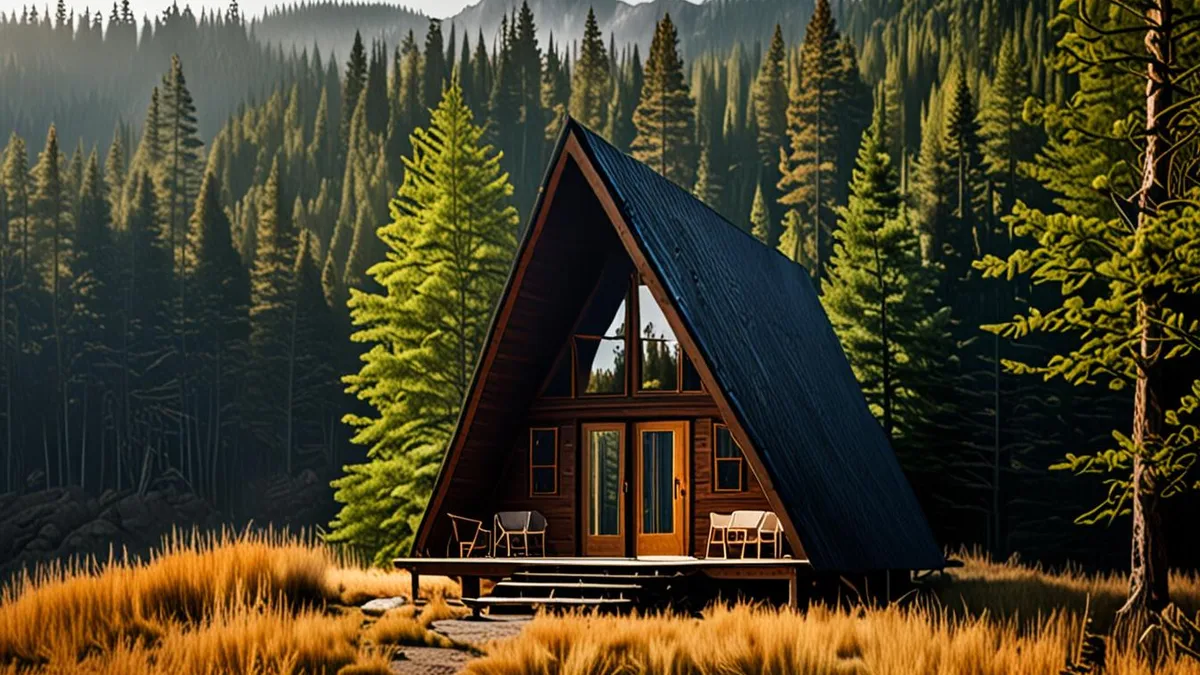
An A-frame cabin is a different animal entirely. It is a rigid wooden structure with a steeply pitched roof that forms the shape of the letter A, real walls, windows, and often a sleeping loft under the gable. These cabins commonly sleep 2–6 guests across a main level and that loft, with proper doors separating the space from the outdoors.
The practical differences you feel immediately
Bell tents rely on camp-style bedding at ground level, which means getting down and up from a mattress on the floor and living out of a duffel bag. A-frames give you raised beds, actual furniture like tables and chairs, and usually electricity and climate control, so the experience sits much closer to a small cabin rental than to camping. Neither option is better in the abstract; they simply offer two very different levels of separation from the outdoors, and the rest of this comparison shows where each one earns its keep.
Comfort: Sleeping, Space and Weather
Sleep quality is where these two stays diverge fastest. Bell tents typically offer 100–150 sq ft of floor space with everyone on one floor, which couples tend to find cozy and families tend to find cramped. With 2–4 guests sharing ground-level bedding, there is little privacy and little room to spread out bags or gear.
A-frame cabins typically offer 250–500 sq ft over one or two levels, with real beds, standing room throughout, and often a loft that separates sleepers. That loft matters more than the raw square footage suggests: kids can go to bed early, light sleepers get distance from snorers, and nobody is tripping over anyone else’s suitcase.
Weather and noise
Canvas breathes well in summer, which keeps bell tents surprisingly pleasant on warm nights. But canvas can feel damp during rain and in cold snaps, and even a well-pitched tent lets in the sound of rain, wind and neighboring campers. An A-frame stays dry and warm year-round thanks to heating and solid construction, and its walls do a far better job of blocking both noise and light. If you are booking at a busy site where tents and cabins sit close together, that insulation is the difference between sleeping through the night and lying awake at 6 a.m. when the neighboring site starts packing up.
Cost Comparison: Nightly Rates and Hidden Extras
Bell tents typically rent for $100–$200 per night in the US, making them the cheaper entry point for couples who want a glamping experience without a cabin budget. A-frame cabins typically rent for $150–$350 per night, which looks like a big gap until you factor in capacity. Because an A-frame commonly sleeps 2–6 guests, splitting a $250 night four ways can work out cheaper per person than two bell tents at the low end of the canvas range.
The sticker price also hides what is actually included, and this is where bell tent listings can quietly catch you out. Budget sites often treat basics as add-ons, so a “$120 tent” can creep toward cabin pricing once you add the extras. For a broader framing of how these stays compare to a regular campsite, this guide on glamping versus camping costs and comfort breaks down the full spectrum.
- Bedding rental: some budget bell tent sites charge separately for duvets, pillows and linens, so confirm whether the listing photo’s made-up bed is included or costs extra per guest.
- Heating fees: wood stoves or electric heaters in bell tents are sometimes offered as a paid add-on, which matters most in shoulder-season nights.
- Linen and cleaning surcharges: A-frame listings more often include full linens and a kitchen, but some charge a cleaning fee that changes the per-person math for short stays.
- Off-peak timing: because A-frames operate year-round, midweek winter dates can bring cabin rates down close to bell tent pricing, flipping the usual cost comparison.
Before comparing any two listings, check exactly what each rate includes. A tent with everything provided can beat a cheap cabin with fees stacked on top.
Season and Weather: When Each Option Works
Bell tents are the more seasonal of the two options. In most US regions, canvas glamping sites typically operate from around April through October, then close for winter or switch to other accommodations. A hard frost, heavy rain or an early snowstorm can make a canvas stay uncomfortable, so most operators simply pull the tents during the colder months.
Within that window, the shoulder months are usually the sweet spot. May and September tend to bring milder nights, fewer biting insects and less chance of a sweltering afternoon inside the canvas. July and August can work well in cooler northern regions, but in hot southern states a bell tent can turn into an oven by mid-afternoon, even with good shade and airflow.
Why A-Frames Win in the Off-Season
A-frame cabins generally run year-round, and that flexibility changes what kind of trip you can plan. Want a snow-covered A-frame with a fire going outside? A cabin is the realistic choice. Traveling in January or in a hot-summer destination where air conditioning matters? The rigid walls and climate control of an A-frame handle both extremes that canvas cannot.
Before you commit to canvas, look at the month-by-month climate for your specific destination, not just the region. Desert areas, mountain valleys and coastal spots each have their own bug seasons, rain patterns and nighttime temperature swings. A helpful month-by-month guide to glamping seasons in the US can help you match your travel dates to the right structure.
Who Each Option Suits Best
The right choice depends heavily on who is traveling and what the trip is for. A bell tent is at its best for two people who want atmosphere on a budget: it is the cheaper entry point of the two, and the lantern-lit, under-canvas feel is hard to replicate in a wooden cabin. But that same shared, ground-level layout gets tight fast once you add kids and their gear.
A-frames, with real beds, standing room and usually a loft, are built for groups. They commonly sleep up to six guests, so families and friend groups typically get better value per person and far more privacy, since the loft separates sleepers and nobody is tripping over a cooler at 2 a.m. First-time glampers who are not sure they will like canvas should also lean toward an A-frame: with electricity, heating and a proper bathroom nearby, it feels closer to a small hotel than a campsite.
Matching the Stay to the Traveler
- Couples celebrating something special: many bell tent sites offer add-ons like string lights, fire pits and champagne setups, which make the canvas option feel more romantic than a standard cabin rental.
- Groups with mixed sleepers: an A-frame’s loft and multiple beds let early risers and night owls keep different schedules without waking each other.
- Travelers with lots of gear: skis, bikes, strollers and camera bags all fit far more comfortably in a cabin’s multi-level layout than on a tent’s single floor.
- Anyone booking in winter: most bell tent sites close for the cold months, so an A-frame is usually the safer bet for snow-season dates. Check individual listings, since availability varies by operator and region.
Photographers and romantics often prefer the bell tent’s soft morning light through canvas and the glow of a lantern at dusk, and if that aesthetic is the whole point of the trip, the compromise can be worth it. But for everyone else, comfort and flexibility usually tip the scale toward the cabin.
How to Choose Before You Book
Choosing between a bell tent and an A-frame gets much easier once you turn it into a short checklist instead of a debate. Both are genuinely good stays; the trouble is that each one shines in a different season, with a different group size and at a different price point. Work through these four steps in order before you book anything, and you will sidestep the most common regrets first-time glampers report: arriving in the wrong month for canvas, overpaying for space a small group did not need, and discovering surprise fees at check-in.
- Match the stay to your travel month. If your dates fall within the typical bell tent season, both options are usually on the table; outside that window, canvas is typically closed and the A-frame becomes your realistic choice.
- Compare cost per person, not per night. A bell tent’s nightly rate can look cheap until you divide an A-frame’s rate among four to six people sharing real beds, at which point the cabin often comes out ahead or even.
- Read the listing details closely. Heating, real beds and private bathrooms are the features that separate a basic bell tent from a premium A-frame, and some budget tent sites charge extra for bedding or a heater, so check exactly what is included before comparing prices.
- Pack for your structure. Canvas trips need layers and warm sleep gear even in summer, since nights under canvas cool down quickly; a cabin trip needs far less thermal planning.
For that last step, our complete glamping packing checklist covers exactly what to bring for each stay type, from sleepwear and base layers for canvas trips to the small comforts that make a cabin feel like home. Thirty minutes of preparation, especially for a tent stay, is usually the difference between a cozy night and a shivering one. Run through the checklist a few days before departure rather than the night before, so you still have time to buy or borrow anything missing.
The Bottom Line on Bell Tents vs A-Frame Cabins
For pure comfort per dollar, the answer depends on when you travel and who you travel with. Bell tents win on price, at $100–$200 per night, and on atmosphere, but they are limited to roughly April–October and offer modest space and weather protection. A-frame cabins cost more, at $150–$350 per night, yet deliver year-round comfort, more room and far better defense against rain, cold and noise.
As a rule of thumb, couples traveling in warm months lean toward a bell tent, while families, groups and anyone planning a cold-season trip lean toward an A-frame. Match the stay to your dates and your group size, and the right choice usually makes itself. If this comparison helped you sort out your next trip, leave a comment or share the article with a fellow traveler.