You’ve seen the photos: a wooden deck overlooking emerald canopy, a toucan in the trees, coffee steaming in the mist. But when you start researching Costa Rica rainforest lodges, the picture gets murky fast. What do these places actually offer day to day, and which region matches the experience you’re imagining?
This guide breaks it down. First, we’ll cover what rainforest lodges are really like, from open-air designs to communal meals. Then we’ll compare three distinct regions: the wild Osa Peninsula and Corcovado, the misty cloud forest belt around Monteverde, and the boat-accessed canals of Tortuguero. We’ll also get practical about when to book and what you’ll realistically pay, then walk through how to choose the right lodge for your trip. By the end, you’ll know exactly which corner of the rainforest fits your travel style and budget.
What Costa Rica Rainforest Lodges Are Really Like
Most Costa Rica rainforest lodges are built to sit lightly in their surroundings, which means open-air designs rather than sealed hotel corridors. Rooms are typically screened rather than glassed-in, and you’ll often find a ceiling fan instead of air conditioning. Expect to fall asleep to frogs, insects and howler monkeys rather than silence, and to wake up with the birds at dawn.
Meals work differently too. Dining rooms are often communal, with set menus rather than à la carte choices, and remote ecolodges commonly require full-board packages because there’s simply nowhere else to eat nearby. Most lodges include breakfast at minimum, but check what your rate covers before comparing prices.
Entertainment is the forest itself
Don’t expect poolside DJs or evening shows. The daily rhythm revolves around guided walks, wildlife spotting and hanging bridges strung through the canopy. A great naturalist guide spotting a sleeping sloth or a leaf-mimic insect will be the highlight of your stay, not amenities.
Finally, set your expectations about comfort. Humidity is a constant, insects are part of the deal despite the screens, and some remote lodges run on limited power or have slow, intermittent Wi-Fi. These trade-offs are the price of immersion, and most guests find it’s worth it.
Osa Peninsula and Corcovado: The Wildest Option
If you want the rawest, most biologically intense rainforest experience Costa Rica offers, the Osa Peninsula is it. This remote southwestern corner holds Corcovado National Park, often described as one of the most wildlife-rich places in Central America. Getting there is part of the adventure: it’s roughly 8 hours from San José by car, plus a boat transfer or a short flight to reach the lodges scattered along the coast and near the park.
What the lodges are like
Accommodation spans a wide range. At one end are rustic camps with a research-station feel, close to the trailheads and the science. At the other are high-end ecolodges perched above the water, with polished guides, excellent food and rates above $600 per night. Between them sit comfortable mid-range options, though even the simplest places usually require package stays because of the remoteness.
The Osa suits travelers who prioritize wildlife over easy logistics. This is the best region for scarlet macaws in good numbers, a realistic chance of tapirs, and guided access into Corcovado itself, where four species of monkeys, anteaters and big cats’ prey species share the trails. If your dream is a full day of guided hiking in genuinely wild forest, this is where you book it.
Because the Osa is deep in the wet tropics, timing matters more here than almost anywhere else in the country. It’s worth reading up on the best time of year to visit lodges by season and region before locking in dates, since trail and boat conditions change with the rain.
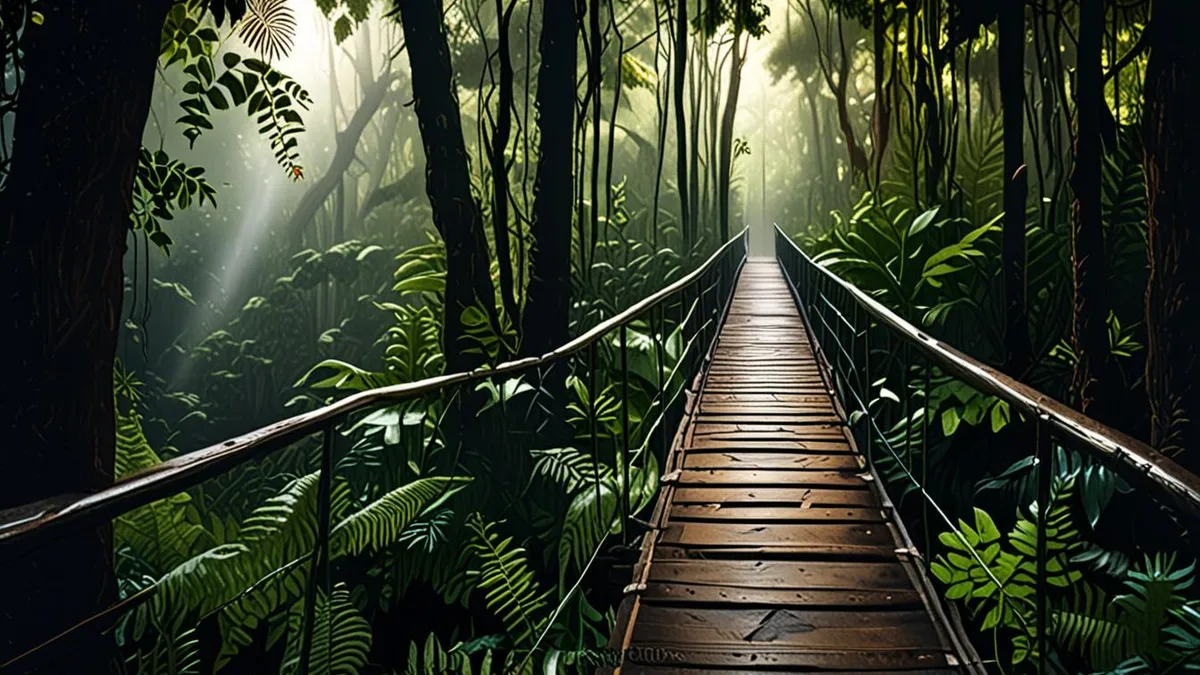
Monteverde and the Cloud Forest Belt
Monteverde sits at about 1,400 meters elevation in the Tilarán mountains, roughly 3.5 hours from San José by road. That altitude changes everything: evenings are cool enough for a sweater, mornings are crisp, and the forest is regularly wrapped in mist. If you’ve been dreading the lowland heat and humidity, this is the rainforest region for you.
A lodge hub built around the reserves
Lodges here cluster near the famous reserves and hanging bridge parks, so you can be on a canopy walkway minutes after breakfast. Monteverde also has the deepest bench of mid-range options of any rainforest region in Costa Rica, with plenty of comfortable lodges between $120 and $300 per night for two. You’ll find everything from simple rooms with valley views to boutique lodges with fireplaces, a rarity in the tropical lowlands.
Manage your wildlife expectations, though. The cloud forest is less about large mammals and more about birds and orchids. This is quetzal country, and guided early-morning walks to find them are a highlight. Hummingbird galleries, toucanets and an astonishing variety of orchids and epiphytes fill in the rest.
Pack for the mist, not just the rain. Layers matter here: a light fleece for cool mornings, a rain shell for drizzle, and quick-dry clothing underneath. Waterproof footwear is worth prioritizing, since trails stay damp even between showers, and the cloud forest can be chilly and wet in ways the rest of Costa Rica’s rainforest regions never are.
Tortuguero and the Caribbean Lowlands
Tortuguero feels like a different country from the rest of Costa Rica. There are no roads into the village area, so you arrive mainly by small plane or by boat, and the journey from San José typically takes around 4 to 5 hours in total. Most travelers book transfers as part of their lodge stay, which makes logistics easier than they first appear.
Life on the canals
The lodges here sit along natural and man-made waterways, and wildlife viewing happens largely from boats rather than hiking trails. Early morning safaris glide past banks where you can spot howler monkeys, spider monkeys, caimans, herons and toucans. In nesting season, guided night walks on the beach offer the chance to see sea turtles coming ashore to lay eggs, though sightings depend on timing and luck.
Expect humidity year-round. Rain is possible in any month, so pack quick-drying clothes and waterproof bags for camera gear. Because of the boat transfers and remote setting, most Tortuguero lodges operate on package rates that bundle accommodation, meals and tours together. That usually simplifies budgeting, but check exactly which tours and park fees are included before you commit.
When to Book and What You’ll Pay
Timing shapes both your budget and your experience at a Costa Rica rainforest lodge. On the Pacific slope, dry season runs from December to April, bringing the most reliable weather, the busiest trails and the highest demand for rooms. Green season runs from May to November, when mornings are usually clear for wildlife activity and afternoons bring daily rain you can plan around.
The spread between lodge rates is wide, and it reflects much more than room comfort. Remoteness, meal plans, transfer logistics and guide quality all push prices up or down, so compare what is actually included before judging a nightly rate. If you want a deeper breakdown of how pricing works, this guide to booking a lodge stay, including costs and seasons covers the details.
Booking windows matter more here than at a beach resort. For dry-season travel, reserve 3 to 6 months ahead. For Christmas and Easter weeks, plan 6 to 12 months out, since the most sought-after lodges fill first and smaller properties may have only a handful of rooms.
- Green-season savings: Stays from May to November often cost noticeably less than peak dates, which can stretch the same budget into a nicer lodge or a longer stay.
- Lusher scenery: Rainy months turn the forest intensely green, and many travelers find wildlife photography better against fresh foliage than dry, dusty trails.
- Morning advantage: Because afternoons bring predictable rain, guides schedule key excursions early, so you get focused wildlife hours before lunch and a book or a hammock when the showers arrive.
How to Choose the Right Rainforest Lodge for Your Trip
The best lodge for you depends on what you want out of the rainforest. If remoteness and raw wildlife intensity top your list, head to the Osa Peninsula. If you prefer cooler hiking and birds over sweat and mud, Monteverde fits better. For boat-based wildlife with minimal walking, Tortuguero is the natural pick. Decide your priority first, then compare lodges within that region.
Before comparing prices, check what each rate actually includes. Many rainforest lodges include breakfast only, while remote ecolodges often require full-board packages. Transfers are another variable: some lodges quote rates that exclude boat or shuttle transfers, which can change the real cost significantly.
Families have extra homework. Room configurations vary widely, from single cabins to interconnected family units, and some guided activities have age minimums for safety reasons. If you are planning a trip with kids, parents and grandparents together, this guide to choosing a lodge for a multi-generational group walks through the practical questions to ask.
- Guide quality: A sharp naturalist guide with a spotting scope transforms a walk; ask whether tours are led by resident naturalists or outsourced, and read recent guest reviews for specifics.
- Group sizes: Small groups of six or fewer see far more wildlife than crowded boats or walks of a dozen people, so ask about maximum group numbers before booking.
- Meal plan math: A cheaper room rate with mandatory full board can cost more overall than a higher rate that includes meals, so calculate the total for your exact stay length.
Wrapping Up Your Costa Rica Rainforest Lodge Plan
A Costa Rica rainforest lodge is not a resort with a spa and a swim-up bar, and that is exactly the point. You trade hotel polish for immersion: open-air designs, communal meals, guided walks and the sound of the forest instead of silence. If waking up surrounded by rainforest is the goal, that trade is usually worth it.
Each region delivers a different version of the dream. The Osa Peninsula offers the wildest, most remote experience, Monteverde brings cooler cloud-forest hiking, and Tortuguero centers on boat wildlife along the canals. December to April is peak season, with nightly rates for two typically ranging from $120 to $600+ and early booking essential. Match the region to your priority, confirm what the rate includes, and you will end up in the right lodge for your trip. If you have questions or a favorite lodge of your own, leave a comment or share this article.